check

check

check

check

check

check
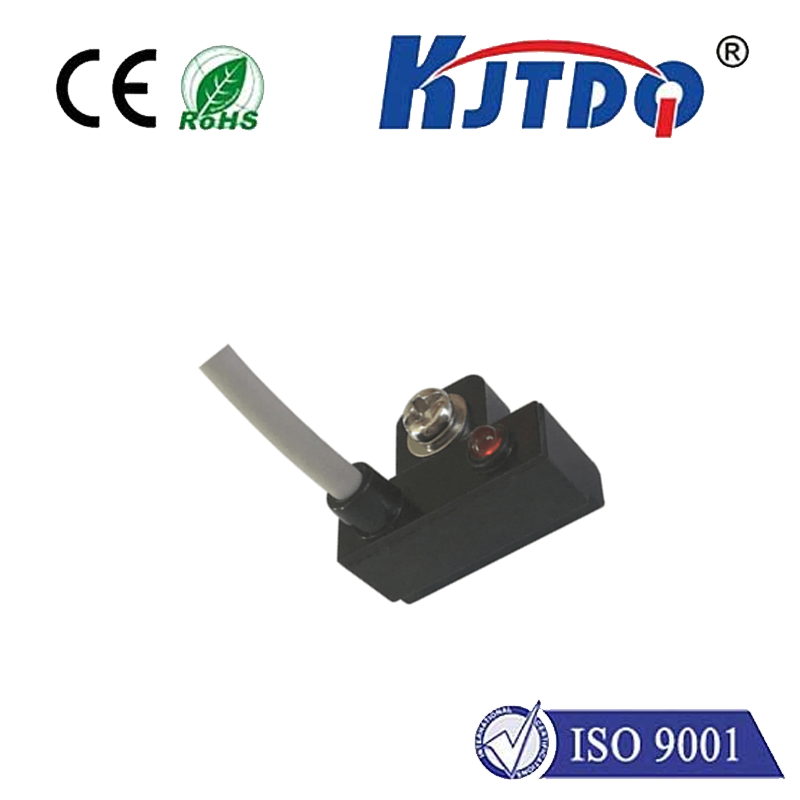
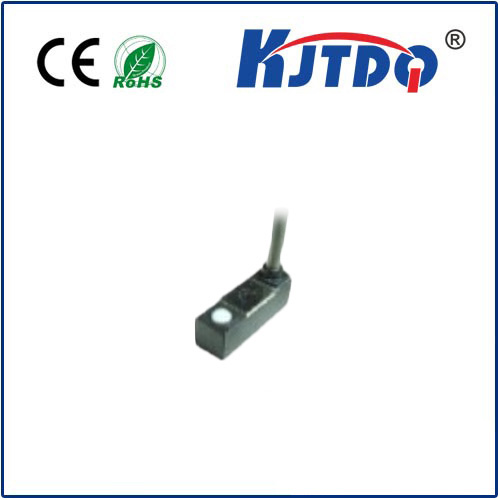
In modern industrial automation, precise detection and reliable operation are paramount. The 12V DC proximity sensor, particularly models like the KJTDQ series, has emerged as a cornerstone technology for countless applications, from assembly lines to material handling systems. Unlike mechanical limit switches, these solid-state electronic devices detect the presence or absence of an object without physical contact, using electromagnetic fields, light, or sound. The 12V DC power specification is especially significant, as it represents a common, safe, and widely compatible voltage level in industrial control panels, mobile equipment, and automotive systems.
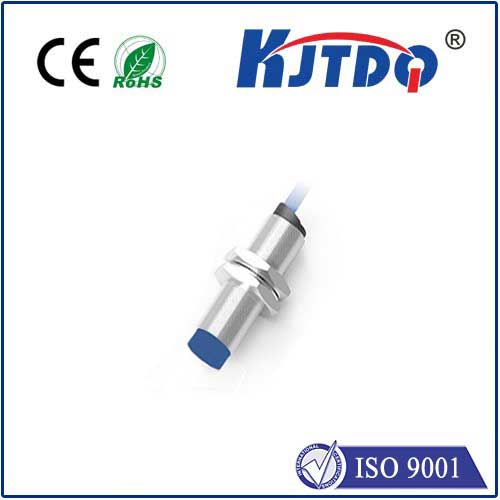
The core advantage of a 12V DC inductive proximity sensor, such as the KJTDQ, lies in its durability and consistency. With no moving parts to wear out, it offers a long operational life even in harsh environments plagued by dust, moisture, or vibration. The sensing distance, while varying by model and target material, provides a critical buffer, allowing machinery to react before physical contact occurs. This non-contact nature eliminates mechanical wear on both the sensor and the target, reducing maintenance costs and unplanned downtime significantly. For instance, on a packaging line, a 12V DC proximity sensor can reliably count bottles or detect the position of a filler arm, ensuring seamless, high-speed operation.
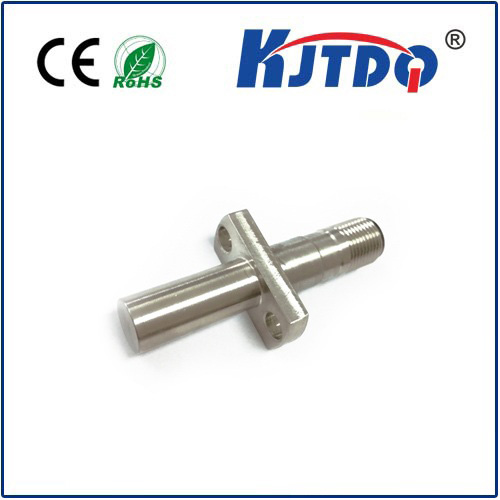
Choosing the right sensor involves several technical considerations. Key specifications include the sensing range, response frequency, output type (typically NPN or PNP transistor switching), and housing material. The 12V DC power input makes integration straightforward, connecting directly to standard PLC (Programmable Logic Controller) digital input modules or relay interfaces. Environmental factors are crucial; many industrial-grade KJTDQ sensors boast an IP67 or higher ingress protection rating, making them resistant to water and dust ingress. This robustness is essential for applications in food processing, woodworking, or outdoor machinery.
Installation and wiring of a 12V DC proximity sensor are generally simple, but attention to detail ensures optimal performance. Proper mounting, avoiding sensor-to-sensor interference, and selecting the correct metallic target (usually mild steel) for inductive models are vital steps. The output wire, often a standard three-wire configuration (brown for 12V+, blue for 0V, and black for the switched output), must be connected according to the controller's requirements. Regular functional checks, such as verifying the indicator LED activation, help maintain system integrity.
The application scope for these sensors is vast. Beyond factory automation, they are integral in automotive manufacturing for robot positioning, in conveyor systems for jam detection, and in security systems for door position monitoring. The reliability of a 12V DC power source, often backed by a regulated power supply or battery, ensures stable sensor operation, which is the foundation for precise automated control sequences.
In conclusion, the 12V DC proximity sensor, exemplified by the KJTDQ series, is more than just a component; it is an enabler of efficiency, safety, and intelligence in automated systems. Its non-contact detection, environmental resilience, and electrical compatibility make it an indispensable tool for engineers seeking to build reliable and maintainable industrial applications. As automation evolves, the fundamental role of such precise, durable sensing technology will only continue to grow.