check

check

check

check

check

check
In the world of industrial automation, machine safety, and smart systems, reliable detection is non-negotiable. Among the various sensing technologies available, the 12V proximity sensor stands out as a cornerstone for countless applications. This guide delves into the specifics of the 12V DC proximity sensor, exploring its operation, key advantages, and the critical factors to consider for optimal integration, with a focus on the performance and reliability embodied by solutions like KJTDQ.
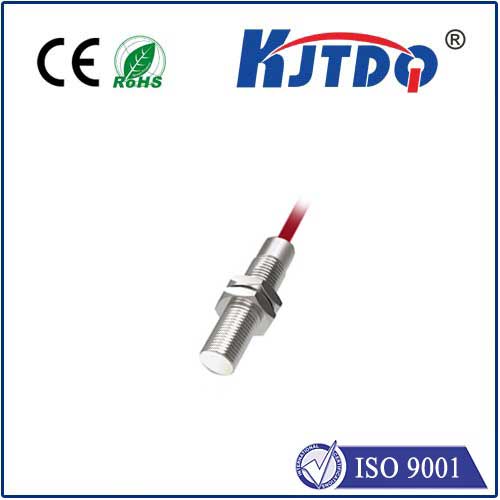
A 12V proximity sensor is an electronic device designed to detect the presence or absence of a target object without any physical contact. It operates on a 12-volt direct current (DC) power supply, a standard voltage in many automotive, control panel, and factory automation environments. The most common type is the inductive proximity sensor, which generates an electromagnetic field. When a metal target enters this field, it causes a change in the sensor's oscillations, triggering a solid-state switch inside the sensor. This switch then sends a clean, digital signal—often referred to as a switching signal—to a controller like a PLC (Programmable Logic Controller).
The "12V" specification is crucial for compatibility. Many control circuits, vehicle electrical systems, and modular electronic setups are built around 12V or 24V DC power. Using a 12V sensor simplifies wiring and power supply design, eliminating the need for additional voltage converters or regulators. This plug-and-play compatibility reduces installation complexity and potential points of failure.
Why choose a 12V proximity sensor over other types? The benefits are substantial. First and foremost is durability. With no moving parts and a sealed housing, these sensors are immune to wear and tear from physical contact. They are exceptionally resistant to environmental contaminants like dust, oil, and moisture, ensuring consistent performance in harsh conditions. Their non-contact nature allows for incredibly high switching speeds, capable of detecting objects thousands of times per minute, far surpassing the capability of mechanical limit switches. Furthermore, they provide precise and repeatable detection, which is essential for quality control and positioning tasks in manufacturing.
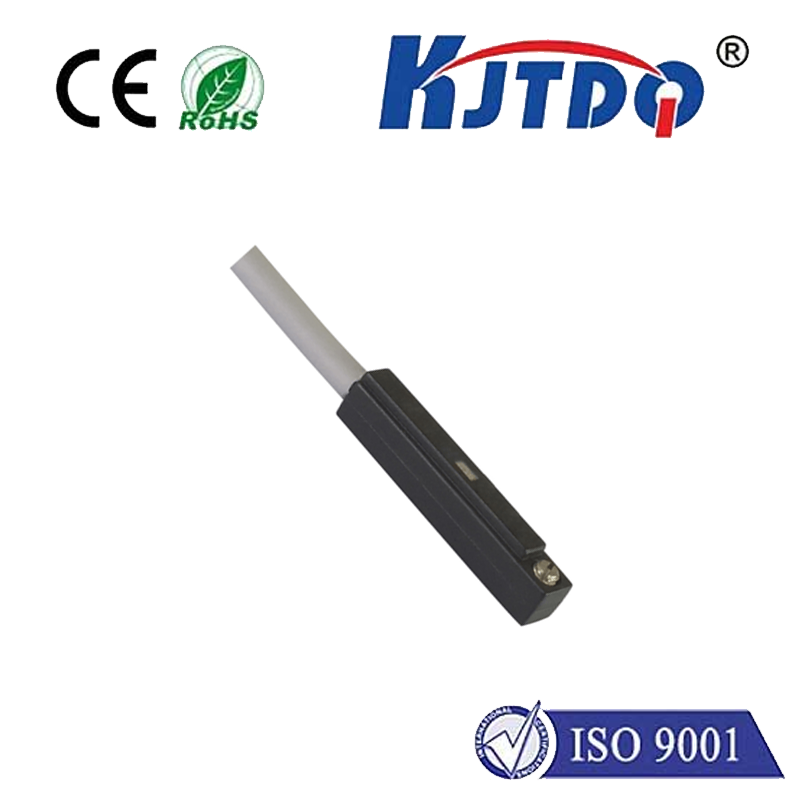
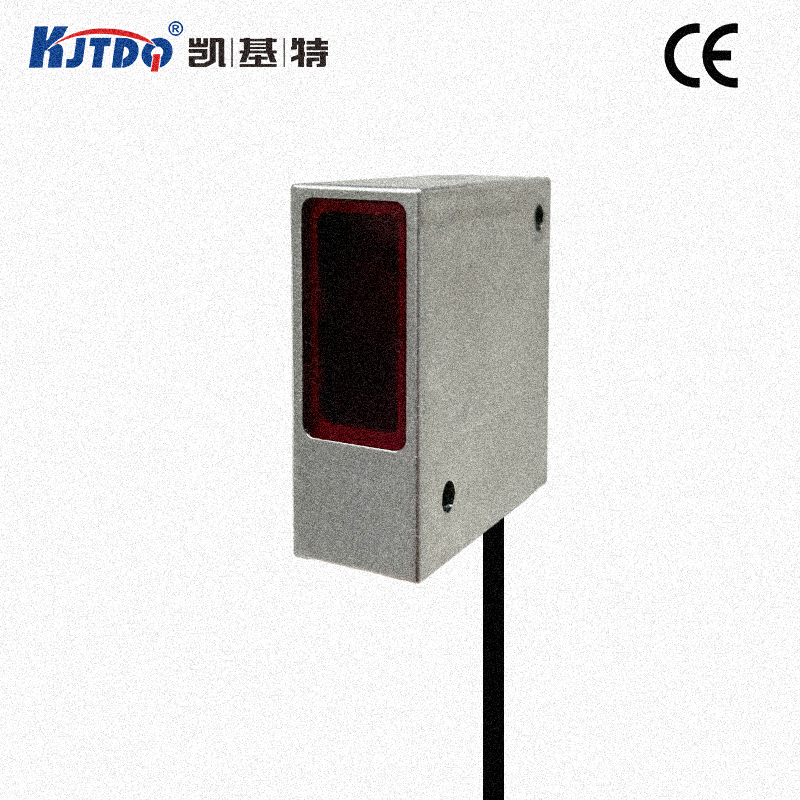
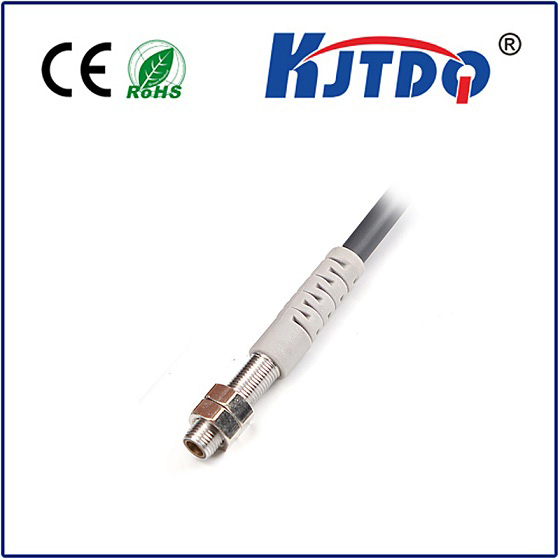
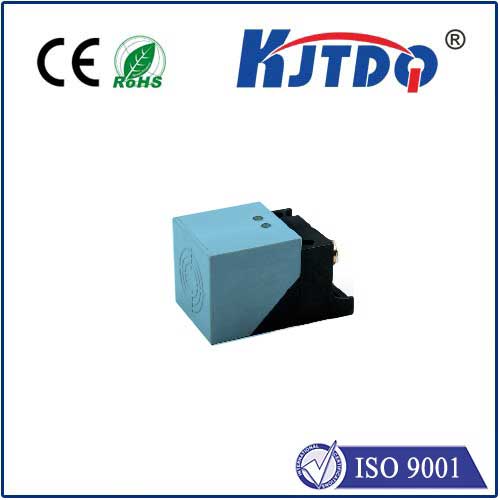
When selecting a 12V proximity sensor for your application, several technical parameters demand attention. The sensing range, typically a few millimeters for standard cylindrical models, must be suitable for the target's distance and size. The target material is also key; standard inductive sensors detect ferrous metals (like iron and steel) at the rated range, while non-ferrous metals (like aluminum or copper) may reduce the effective sensing distance. The housing material, such as nickel-plated brass or stainless steel, should be chosen based on the need for chemical or physical resistance. Output configuration is another vital choice: NPN (sinking) or PNP (sourcing) outputs must match the input requirements of your controller. The physical form factor—whether tubular, rectangular, or slot-style—must fit the mounting constraints.
The application spectrum for 12V proximity sensors is vast. In automotive assembly lines, they count parts, verify door closure, or confirm the position of robotic arms. In packaging machinery, they detect the presence of bottles or cans on a conveyor, initiating the filling or capping process. Within control cabinets, they can be used as door-open safety interlocks. In material handling, they provide end-of-travel detection for lifts and gates. Their reliability makes them indispensable for tasks where failure could lead to downtime, product damage, or safety hazards.
For engineers and system integrators seeking a balance of performance, robustness, and straightforward integration, the 12V DC proximity sensor is a fundamental component. A commitment to quality in manufacturing, rigorous testing for temperature stability and electrical noise immunity, and designs that prioritize longevity are what distinguish superior sensor lines. Products engineered to these high standards, such as those under the KJTDQ designation, deliver the unwavering reliability that modern automated systems depend on. By carefully matching the sensor's specifications to the application's demands—considering voltage, range, material, and environment—you can build a detection system that is not only functional but also resilient and efficient for the long term.