check

check

check

check

check

check
In the intricate world of industrial automation and smart device design, the ability to detect the presence or absence of an object without physical contact is not just a convenience—it's a fundamental necessity. This is where proximity sensors come into play, acting as the silent, vigilant eyes of modern machinery. Among the myriad of options available, the Q25 Proximity Sensor has carved out a significant reputation for reliability and precision. This article delves into the core functionalities, applications, and distinct advantages of this particular sensor, providing a clear understanding of its role in today's technological landscape.
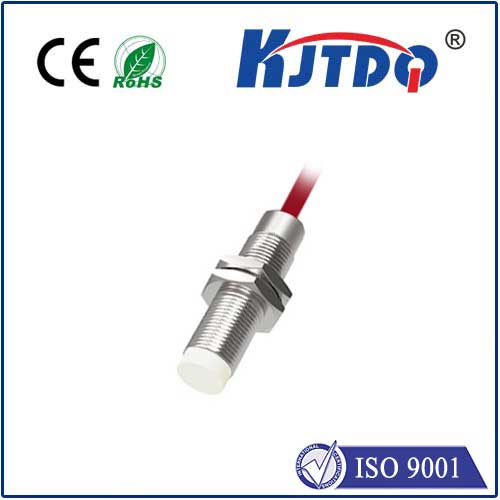
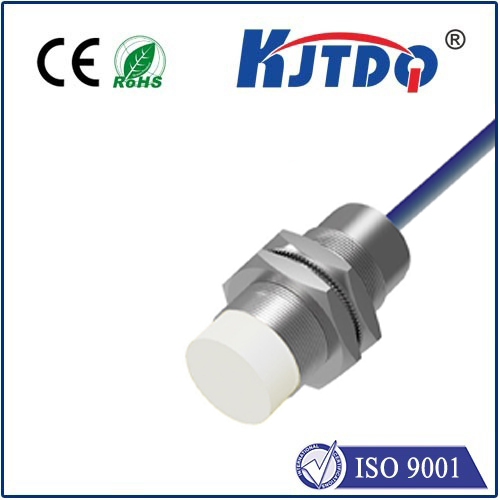
At its heart, the Q25 is an inductive proximity sensor. This means it operates by generating an electromagnetic field. When a metallic object enters this field, it induces eddy currents within the target, causing a change in the sensor's own oscillation amplitude. The Q25 detects this change and triggers a solid-state switch, sending a clear signal to the connected control system. This non-contact detection method is its primary strength, eliminating mechanical wear and tear associated with physical switches and ensuring a long operational lifespan even in demanding environments.
One of the defining characteristics of the Q25 series is its standardized sensing distance. The "25" in its designation typically refers to a nominal sensing range, often around 25 millimeters for certain metallic targets like mild steel. This standardized range provides engineers and designers with a predictable and reliable parameter for integration into their systems. It's crucial to consult the specific datasheet, as the effective sensing distance can vary based on the target material's properties, such as size, shape, and composition. For non-ferrous metals, for instance, the sensing range may be reduced, a factor that must be accounted for during the design phase.
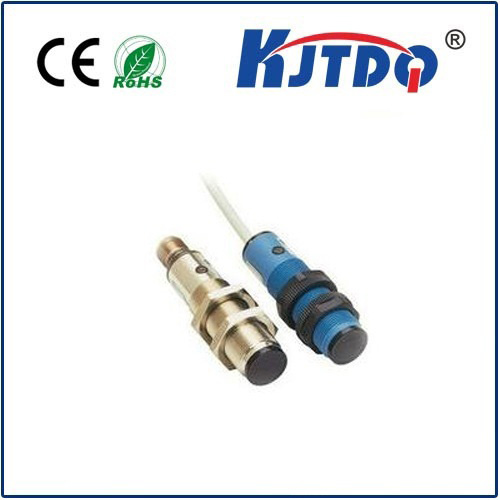
The construction of the Q25 sensor is geared towards industrial durability. Housed in a robust, often stainless steel or nickel-plated brass body, it is designed to withstand common industrial hazards. This includes resistance to oils, coolants, and dust, making it suitable for deployment in machine tools, packaging lines, and automotive assembly plants. Many models also feature ingress protection ratings like IP67, meaning they are protected against temporary immersion and dust ingress, allowing for reliable operation in washdown environments or outdoor settings.
Wiring and output configuration are straightforward, enhancing its user-friendliness. The Q25 is commonly available in both PNP (sourcing) and NPN (sinking) transistor output types, allowing compatibility with a wide range of programmable logic controllers (PLCs) and other control units. The typical three-wire connection (brown for +V, blue for 0V, and black for the signal output) is industry-standard, simplifying installation and maintenance procedures for technicians.
The applications for the Q25 Proximity Sensor are vast and varied. In manufacturing, it is indispensable for tasks such as part positioning on a conveyor belt, detecting the end of a roll of material, confirming the closure of a safety guard, or counting metallic objects. In the automotive sector, it can be used to verify the presence of engine components on an assembly line. Beyond heavy industry, its principles are applied in consumer devices for features like automatic screen blanking when a phone is held to the ear, though miniaturized versions are used in those cases.
When selecting a sensor like the Q25, several factors must be considered beyond just the sensing range. The operating voltage, response frequency (how quickly it can detect objects in rapid succession), temperature tolerance, and housing size (e.g., tubular M30 or M18 threaded barrels) are all critical specifications. Ensuring the sensor is correctly aligned with the target and installed without interference from surrounding metal (a concept known as flush mounting or non-flush mounting conditions) is key to optimal performance.
In conclusion, the Q25 Proximity Sensor represents a mature and highly reliable solution for non-contact object detection in metallic environments. Its standardized performance, rugged construction, and ease of integration make it a go-to component for engineers seeking to add precision, reliability, and longevity to automated systems. By understanding its operating principles and specifications, professionals can effectively harness its capabilities to create smarter, more efficient, and more responsive machinery, forming a critical link in the chain of modern industrial automation and control.