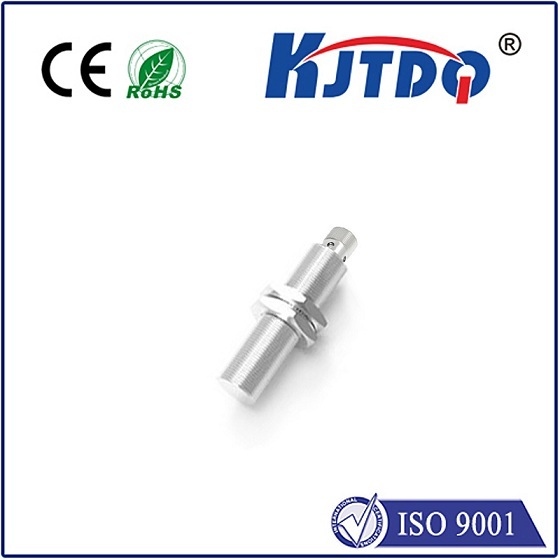
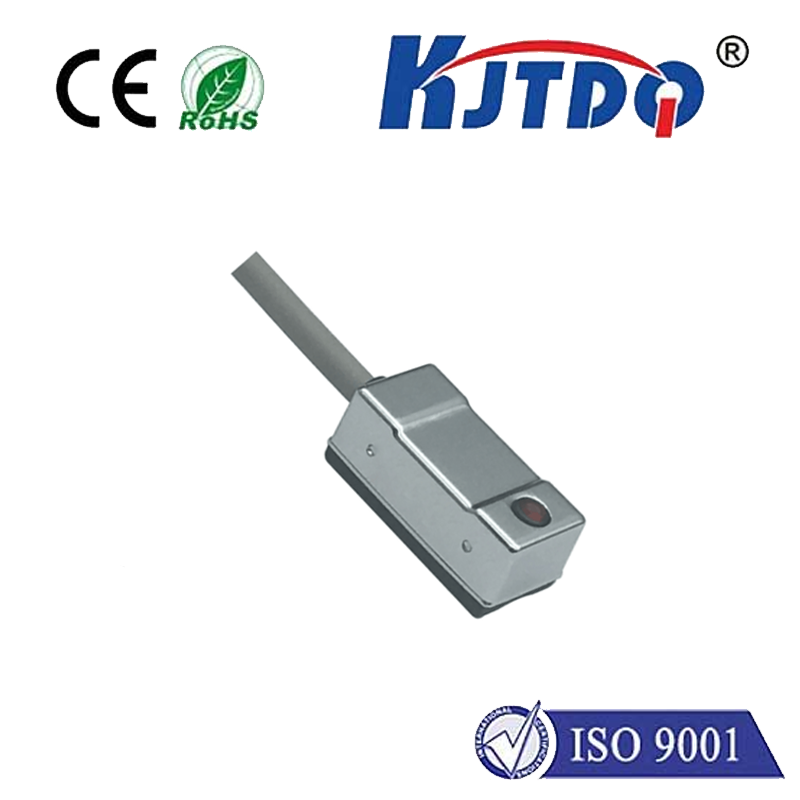
check

check

check

check

check

check
In today's fast-paced technological landscape, the demand for efficient and affordable sensing solutions is higher than ever. Among these, the low cost proximity sensor has emerged as a game-changer, bridging the gap between advanced functionality and economic feasibility. These sensors are designed to detect the presence or absence of an object within a specific range without physical contact, making them indispensable across various industries. From consumer electronics to industrial automation, the integration of low cost proximity sensors is driving innovation while keeping budgets in check.
The core technology behind these sensors often involves infrared (IR), ultrasonic, or capacitive sensing methods. IR sensors, for instance, emit an infrared beam and measure its reflection to determine proximity. Ultrasonic sensors use sound waves, while capacitive sensors detect changes in an electrical field. What makes the modern low cost proximity sensor stand out is the refinement of these technologies using cost-effective materials and streamlined manufacturing processes. This has led to a significant reduction in unit price without compromising on reliability or accuracy. For small and medium-sized enterprises (SMEs), this affordability opens doors to automation and smart features that were previously reserved for larger corporations with bigger budgets.
One of the most prominent applications is in the smartphone industry. Nearly every modern smartphone incorporates a low cost proximity sensor to manage screen behavior during calls, saving battery life and preventing accidental touches. This seamless user experience is a direct result of accessible sensor technology. Beyond consumer gadgets, these sensors are revolutionizing home automation. Smart lighting systems that turn on when someone enters a room, or touchless faucets in public restrooms, rely on affordable proximity detection to enhance convenience and hygiene.
In industrial settings, the impact is even more profound. Low cost proximity sensors are deployed on assembly lines for object detection, counting, and position verification. They help in ensuring machinery operates only when a component is correctly placed, thereby reducing waste and preventing equipment damage. Their durability and resistance to environmental factors like dust or moisture make them suitable for harsh factory conditions. The automotive sector also benefits greatly, using these sensors for parking assistance systems, obstacle detection, and even in-cabin features like gesture control for infotainment systems. The scalability afforded by their low cost allows manufacturers to integrate multiple sensors throughout a vehicle, significantly boosting safety and functionality.
The rise of the Internet of Things (IoT) has further amplified the importance of low cost proximity sensors. In smart agriculture, sensors monitor livestock movement or equipment proximity. In retail, they enable inventory management and customer behavior analysis. The key to widespread IoT adoption lies in deploying numerous, interconnected sensors, and cost is a critical factor. Affordable sensors make large-scale networks economically viable, enabling data collection and automation on an unprecedented scale.
However, selecting the right low cost proximity sensor requires careful consideration. Factors such as detection range, response time, environmental conditions, and output type (digital or analog) must align with the specific application. While the initial price is low, total cost of ownership also depends on ease of integration, power consumption, and longevity. Fortunately, the market now offers a wide variety of options with detailed specifications, allowing engineers and developers to find the perfect match for their projects.
Looking ahead, advancements in materials science and semiconductor manufacturing promise to drive costs even lower while improving performance. The integration of machine learning algorithms could enable these simple sensors to provide more contextual data, moving beyond mere presence detection to interpreting patterns of movement or identifying materials. This evolution will continue to expand their utility in emerging fields like wearable health monitors, collaborative robotics, and smart city infrastructure.
In conclusion, the low cost proximity sensor is not just a component; it is a catalyst for democratizing technology. By providing reliable detection at an accessible price point, it empowers innovators and businesses of all sizes to create smarter, more efficient, and more interactive products and systems. As technology continues to advance, the role of these affordable sensors will only grow, solidifying their position as a fundamental building block in the connected world of tomorrow.