check

check

check

check

check

check
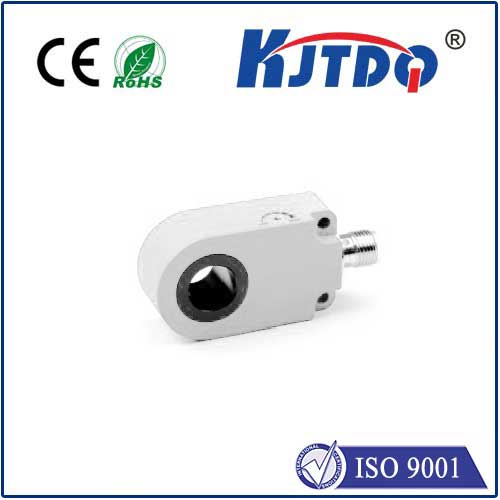
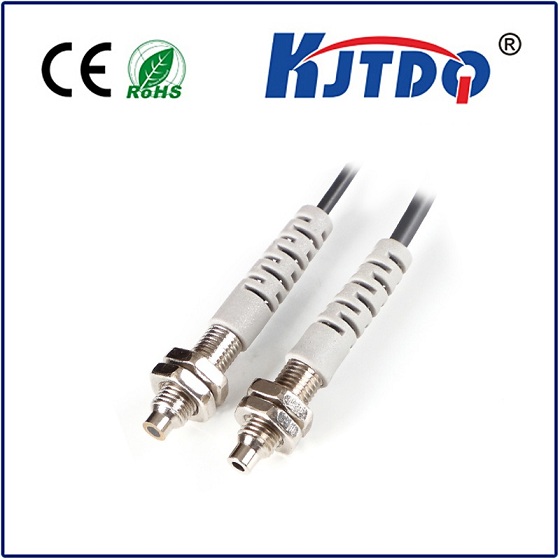
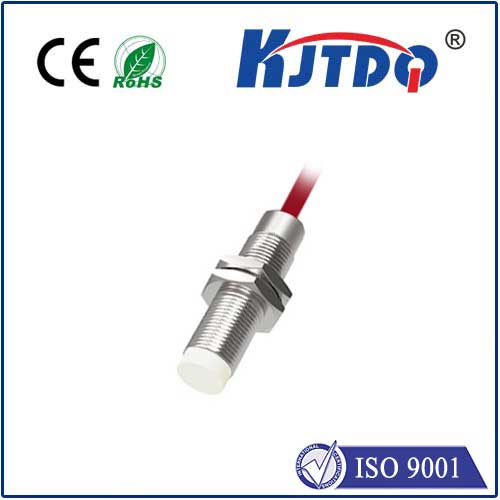
In the rapidly evolving landscape of industrial automation, precision, reliability, and durability are non-negotiable. The M12 proximity sensor stands as a cornerstone technology, enabling seamless operation in demanding environments. Unlike traditional mechanical switches, these inductive or capacitive sensors detect the presence or absence of metallic or non-metallic objects without physical contact, thereby eliminating wear and tear and significantly reducing maintenance costs. The standardized M12 connector, with its compact cylindrical design and robust threaded coupling, ensures quick installation, secure connections, and superior resistance to vibrations, moisture, and dust—meeting IP67 or higher protection ratings commonly required in factories, packaging lines, and robotic cells.
One of the primary advantages of the M12 proximity sensor is its versatility. Available in various sensing ranges, output configurations (like NPN, PNP, or analog), and housing materials such as nickel-plated brass or stainless steel, it can be tailored for specific applications. For instance, in automotive assembly, these sensors precisely detect piston positions or verify component placement. In food and beverage processing, stainless steel variants withstand frequent washdowns and corrosive substances. The consistent performance across temperature fluctuations, from -25°C to 70°C, guarantees operational stability, which is critical for continuous production cycles.
Moreover, integrating M12 sensors into networked systems enhances overall efficiency. With IO-Link compatibility becoming increasingly standard, these sensors not only provide binary detection signals but also transmit diagnostic data—such as operating temperature, switch cycle counts, and signal strength—to central controllers. This predictive maintenance capability allows engineers to address potential failures before they cause downtime, optimizing productivity. The plug-and-play nature of M12 connectors further simplifies wiring, reducing installation time and minimizing human error during setup or replacement.
Despite their robustness, selecting the right M12 proximity sensor requires careful consideration. Factors like target material (ferrous vs. non-ferrous metals), required sensing distance, electrical load compatibility, and environmental exposures must be evaluated. Shielding types—shielded or unshielded—also influence performance; shielded sensors are ideal for tight spaces where metal-to-metal interference is a concern, while unshielded versions offer extended sensing ranges. Regular calibration and adherence to manufacturer guidelines ensure long-term accuracy, preventing false triggers that could disrupt automated sequences.
In conclusion, the M12 proximity sensor is more than just a component; it is an enabler of smarter, more resilient industrial ecosystems. By offering contactless detection, environmental resilience, and data-rich outputs, it empowers manufacturers to achieve higher throughput, improved safety, and reduced operational costs. As Industry 4.0 advances, the role of such reliable sensing technology will only grow, making the M12 proximity sensor an indispensable tool for future-proofing automation infrastructure. Investing in high-quality sensors from reputable suppliers ensures that systems remain agile and competitive in an ever-changing market.