check

check

check

check

check

check
In the rapidly evolving landscape of industrial automation, precision and reliability are non-negotiable. Among the myriad of components that ensure seamless operations, the M8 proximity sensor stands out as a critical player. This compact yet powerful device is engineered to detect the presence or absence of objects without physical contact, making it indispensable in environments where hygiene, speed, and durability are paramount. Unlike mechanical switches, the M8 proximity sensor operates on electromagnetic fields or capacitive principles, offering a maintenance-free solution that reduces downtime and operational costs.
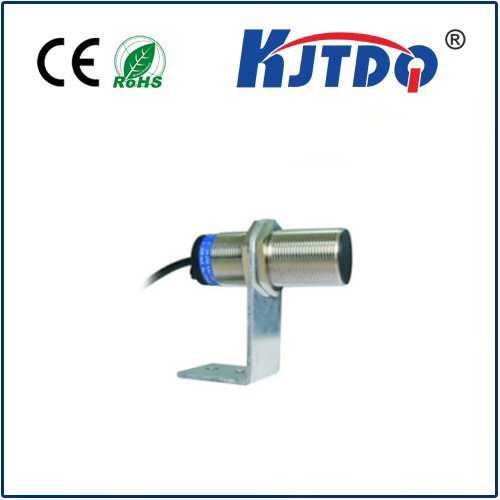
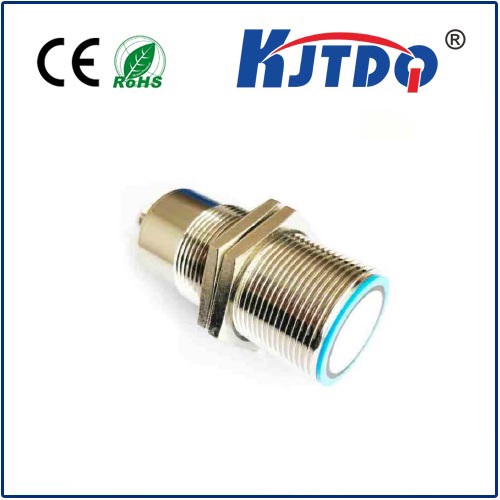
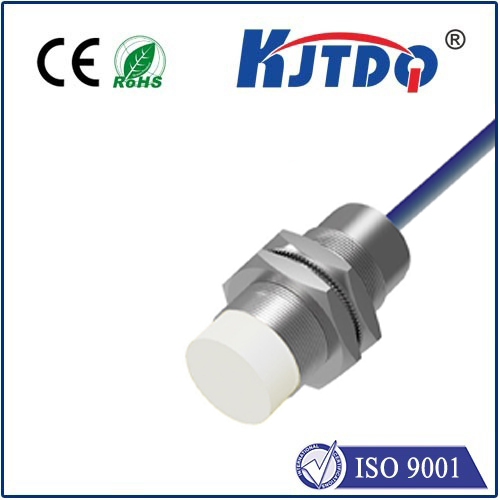
The M8 designation refers to the sensor's threaded cylindrical housing with an 8mm diameter, a standard size that facilitates easy integration into tight spaces commonly found in machinery and conveyor systems. Typically constructed from robust materials like nickel-plated brass or stainless steel, these sensors are built to withstand harsh conditions, including exposure to dust, moisture, and extreme temperatures. This resilience makes them ideal for applications in manufacturing, packaging, automotive, and food processing industries, where they can reliably detect metals, plastics, or liquids.
One of the key advantages of the M8 proximity sensor is its versatility. Available in both inductive and capacitive variants, it caters to diverse needs. Inductive sensors are primarily used for detecting metallic objects, leveraging changes in an oscillating circuit to trigger a signal. In contrast, capacitive sensors can identify a wider range of materials, including non-metals, by measuring alterations in capacitance. This flexibility allows engineers to select the appropriate type based on specific application requirements, whether it's counting products on an assembly line or monitoring fluid levels in tanks.
Installation and setup of the M8 proximity sensor are straightforward, thanks to its standardized design. Most models feature a three-wire configuration (PNP or NPN) that connects seamlessly with programmable logic controllers (PLCs) and other automation systems. The sensing range, though limited due to the small size—often between 1 to 2 mm for inductive types—is sufficient for precise positioning tasks. Additionally, many M8 sensors come with LED indicators for real-time status monitoring, enhancing troubleshooting efficiency and reducing maintenance efforts.
In practice, the M8 proximity sensor excels in scenarios demanding high-speed detection. For instance, in robotic arms, it ensures accurate pick-and-place operations by confirming object presence before gripping. In packaging machinery, it helps align materials and prevent jams, thereby optimizing throughput. Moreover, its non-contact nature eliminates wear and tear, extending the sensor's lifespan and ensuring consistent performance over millions of cycles. This reliability is crucial for industries aiming to achieve lean manufacturing and minimize waste.
Despite its compact form, the M8 proximity sensor incorporates advanced features such as short-circuit protection, reverse polarity protection, and electromagnetic compatibility (EMC) compliance. These safeguards protect both the sensor and connected equipment from electrical faults, enhancing overall system safety. When selecting an M8 sensor, factors like output type (digital or analog), switching frequency, and environmental ratings (e.g., IP67 for water and dust resistance) should be considered to match the operational demands.
Looking ahead, innovations in sensor technology continue to enhance the capabilities of M8 proximity sensors. Integration with IoT platforms enables predictive maintenance, where data from sensors can alert operators to potential failures before they occur. Furthermore, miniaturization trends are pushing the boundaries of sensitivity and range, allowing these sensors to tackle even more nuanced applications in electronics and medical device manufacturing.
In summary, the M8 proximity sensor is a cornerstone of modern industrial automation, offering a blend of durability, precision, and adaptability. Its ability to operate reliably under challenging conditions while requiring minimal upkeep makes it a cost-effective solution for businesses striving to improve efficiency and productivity. As industries embrace smarter automation, the humble M8 sensor will undoubtedly remain a vital component in driving innovation and operational excellence.