check

check

check

check

check

check
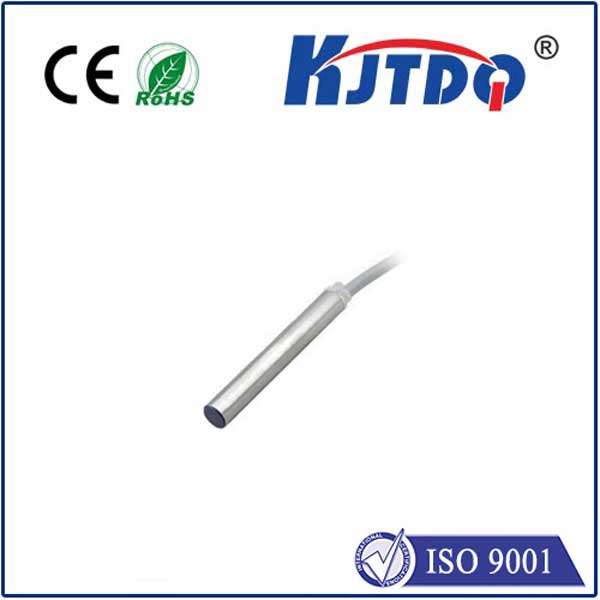
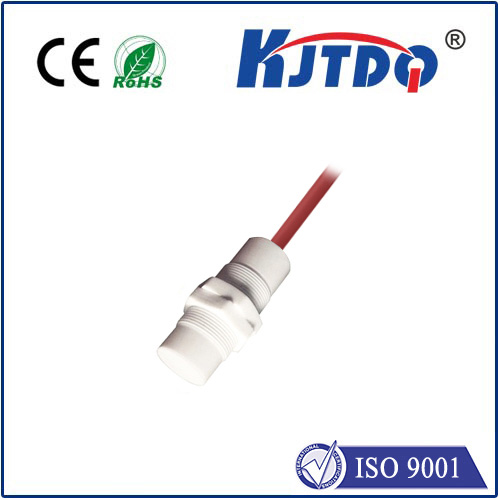
In the world of industrial automation, robotics, and consumer electronics, the proximity sensor stands as a silent sentinel, enabling machines to perceive their immediate environment without physical contact. A datasheet is the critical bridge between a sensor's potential and its practical, reliable implementation. For engineers and procurement specialists, understanding the KJTDQ proximity sensor datasheet is not just about reading specifications; it's about unlocking performance, ensuring compatibility, and avoiding costly design pitfalls.
The cornerstone of any datasheet is the specifications table. For a KJTDQ inductive proximity sensor, key parameters demand careful scrutiny. The sensing distance, often labeled as "Sn," is nominal. Real-world performance can be affected by target material, size, and environmental conditions. A datasheet will specify a correction factor for different metals; for instance, a sensor calibrated for mild steel may only achieve 60% of its rated distance on stainless steel. The switching frequency, measured in Hertz (Hz), dictates how quickly the sensor can detect objects passing by. A high-speed packaging line requires a much higher frequency than a slow-moving conveyor.
Output configuration is another vital section. Does the KJTDQ sensor offer a PNP (sourcing) or NPN (sinking) transistor output? This determines how it interfaces with the programmable logic controller (PLC) or other control circuitry. The datasheet will clearly diagram the wiring, which must be followed precisely. The rated operating voltage and current load capacity are non-negotiable for system safety and longevity. Exceeding these values can lead to immediate failure or gradual degradation.
Environmental ratings provide the blueprint for durability. The Ingress Protection (IP) code, such as IP67, indicates the level of protection against dust and liquid immersion. A sensor destined for a washdown area in a food processing plant requires a high IP rating, while one in a clean control cabinet may not. Operating temperature range is equally crucial. A KJTDQ sensor specified for -25°C to 70°C would fail in a foundry or an outdoor arctic application.
Beyond the core specs, application notes within the datasheet offer invaluable practical wisdom. Diagrams typically show the correct installation methodology, including required mounting clearances from metal surfaces to prevent false triggering. Information on hysteresis—the difference between the switch-on and switch-off points—helps in designing stable systems, preventing chatter when a target is at the exact sensing limit. The datasheet also details indicators like a built-in LED for status monitoring, aiding in quick diagnostics and setup.
A common oversight is neglecting the electrical connection details and housing material. The KJTDQ datasheet specifies the connector type or cable length and grade. Using an unshielded cable in an electrically noisy environment can cause intermittent failures. The housing material, often nickel-plated brass or stainless steel, determines resistance to chemicals, corrosion, and physical impact.
Ultimately, the KJTDQ proximity sensor datasheet is a contract and a guide. It empowers engineers to select the precise model for detection range, speed, and environmental toughness. It enables technicians to install the sensor correctly for optimal performance. And it provides maintenance teams with the reference points needed for troubleshooting. In a landscape where precision and reliability are paramount, taking the time to thoroughly analyze the datasheet is the first and most critical step toward a successful, robust automation solution. Never view it as mere technical paperwork; see it as the essential roadmap to operational excellence.