check

check

check

check

check

check
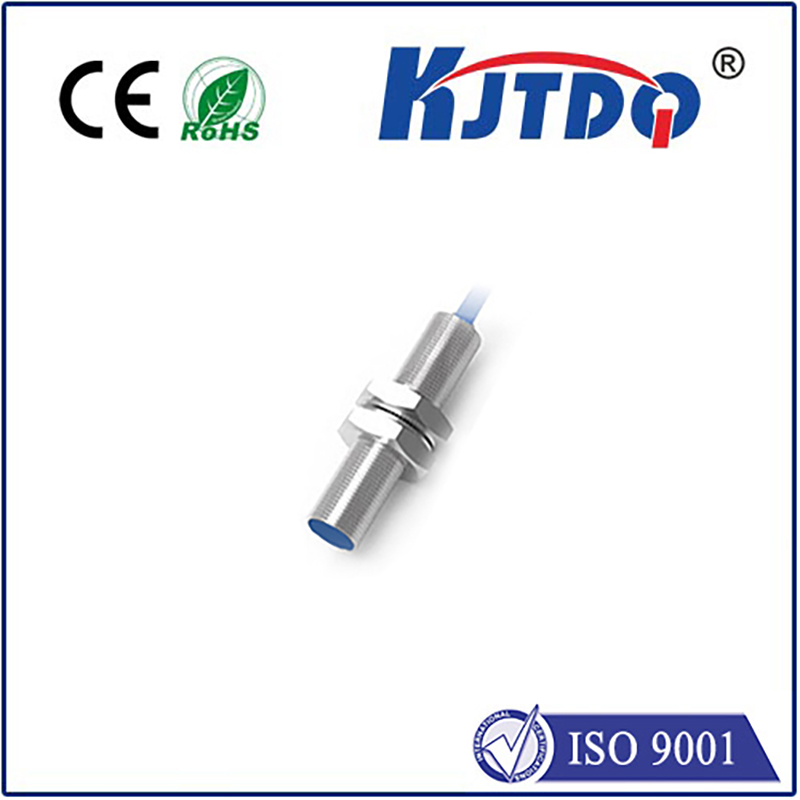
In the world of industrial automation and smart device design, the need for precise, reliable, and non-contact detection is paramount. This is where proximity sensors, particularly models like the G18 series, become indispensable components. Unlike mechanical switches, these sensors operate without physical contact, offering unparalleled longevity, speed, and consistency in challenging environments. The Proximity Sensors G18 represent a specific class known for their robust performance in diverse applications, from factory assembly lines to sophisticated consumer electronics.
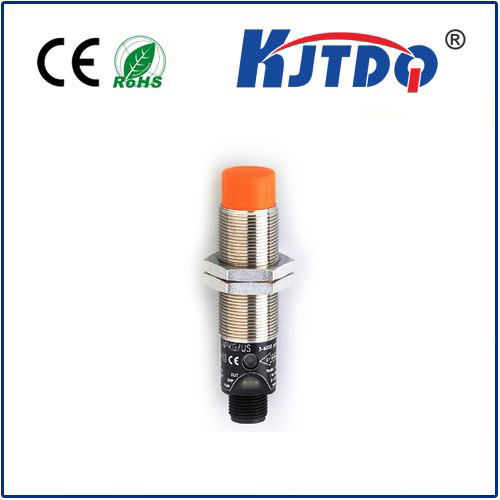
The fundamental principle behind inductive proximity sensors, such as the typical G18 model, is electromagnetic induction. The sensor generates an oscillating electromagnetic field from its face. When a metallic target object enters this field, eddy currents are induced within the metal. This causes a change in the oscillation amplitude, which is detected by the sensor's internal circuit. This change triggers a solid-state output signal, switching it on or off. The key advantage is that this detection happens through an air gap—no touch, no wear, and no contamination of the sensing face. The "G18" designation often refers to an 18mm cylindrical housing, a common and versatile form factor that provides a sturdy build suitable for industrial mounting standards.
Why choose a sensor from the G18 series? The benefits are clear and impactful. First and foremost is reliability. With no moving parts to wear out, these sensors boast an exceptionally long operational life, even in high-cycle applications. They are incredibly fast, capable of detecting objects at frequencies reaching thousands of times per second, far surpassing the capability of any mechanical limit switch. Their sealed construction, typically to IP67 standards, makes them resistant to dust, oil, coolants, and water jets, allowing them to thrive in dirty or wet industrial settings. Furthermore, they are immune to many environmental factors that plague optical sensors, such as ambient light, smoke, or accumulated grime on the lens.
The application spectrum for Proximity Sensors G18 is remarkably broad. In manufacturing, they are the workhorses for tasks like part presence verification on conveyor belts, end-of-travel detection on robotic arms, and counting metallic components. They ensure precise positioning in CNC machines and automated packaging equipment. Beyond heavy industry, their compact variants find use in consumer appliances for lid or door detection, in automotive systems for gear position sensing, and in vending machines for coin validation. Their robustness makes them ideal for harsh environments where other sensor types might fail.
Selecting the right G18 sensor requires attention to several technical specifications. Sensing range is critical; an 18mm sensor might have a nominal range of 5mm or 8mm for steel targets. It is vital to note that the sensing distance can vary based on the target material's type and size. The output type is another key decision: NPN (sinking) or PNP (sourcing) transistor outputs must match the control system's input card requirements. Other considerations include the supply voltage (commonly 10-30V DC), output current rating, response frequency, and whether a shielded or unshielded model is needed. Shielded sensors can be flush-mounted in metal without affecting their field, while unshielded models offer a longer sensing range but require non-metallic surroundings.
Installation and maintenance are straightforward but crucial for optimal performance. Ensure the sensor is securely mounted to prevent vibration-induced errors. Maintain the recommended clearance around the sensing face, especially for unshielded models, to avoid false triggers from adjacent metal. Regularly check for physical damage or buildup of metallic swarf that could shorten the effective sensing distance. While these sensors are incredibly durable, their performance can be degraded by extreme temperatures, strong electromagnetic interference, or direct impact.
In conclusion, Proximity Sensors G18 stand as a testament to elegant engineering solving practical problems. They provide a silent, unwavering, and precise method of detection that forms the backbone of modern automated systems. For engineers and designers seeking a proven, robust solution for non-contact metallic object detection, the G18 series offers a perfect blend of performance, durability, and versatility. Understanding their operation, benefits, and correct application parameters is the first step toward leveraging their full potential to create more efficient, reliable, and intelligent machines and processes.