check

check

check

check

check

check
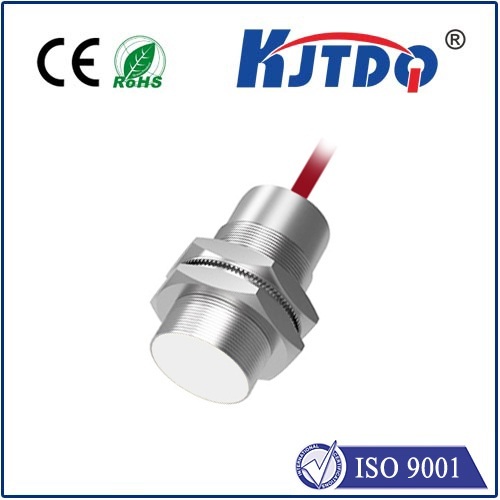
In the rapidly evolving landscape of industrial automation, precision, reliability, and durability are non-negotiable. The Inductive Proximity Sensor LM18 stands as a cornerstone technology, meeting these stringent demands across diverse manufacturing and machinery applications. This sensor exemplifies how robust design and advanced sensing principles converge to deliver exceptional performance in challenging environments.
The core operating principle of the LM18 inductive proximity sensor is based on electromagnetic induction. It generates a high-frequency oscillating electromagnetic field from its active face. When a metallic target object enters this detection field, eddy currents are induced on the target's surface. This causes a change in the oscillation amplitude within the sensor's internal LC tank circuit. The sensor's sophisticated electronics detect this damping effect and subsequently trigger a solid-state switching signal. This non-contact detection method is key to its longevity, as it eliminates mechanical wear and tear associated with physical limit switches.
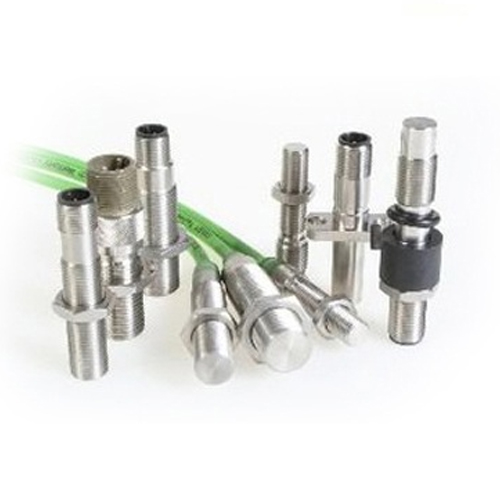
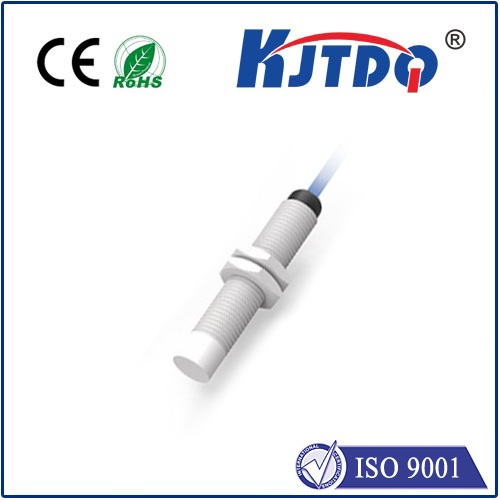
A primary advantage of the LM18 series is its rugged construction. Typically housed in a stainless steel or nickel-plated brass body, it offers superior resistance to mechanical impacts, vibrations, and harsh industrial conditions like coolants, oils, and dust. Many models feature IP67 or higher ingress protection ratings, making them suitable for washdown environments in food processing or automotive plants. The 18mm diameter cylindrical form factor, implied by the "LM18" designation, is a standardized size that ensures easy integration into existing machine designs and mounting fixtures.
Performance specifications of the LM18 sensor are tailored for industrial precision. It offers a defined sensing range, commonly up to 8mm for mild steel targets, with excellent repeat accuracy. The sensors are available in various output configurations, including NPN (sinking), PNP (sourcing), and NO (normally open) or NC (normally closed) modes, providing flexibility for interfacing with different programmable logic controllers (PLCs) and control systems. Furthermore, they are characterized by high switching frequencies, enabling reliable detection of fast-moving parts on assembly lines or conveyor systems.
The application scope for the inductive proximity sensor LM18 is vast. It is indispensable for position sensing, such as verifying the presence of a metal part in a fixture, detecting the end-of-travel of a cylinder, or counting metallic objects. In automated packaging machinery, it ensures precise product placement. Within robotic cells, it provides critical feedback for arm positioning and safety interlocks. Its immunity to ambient light and ability to detect only metallic objects make it exceptionally reliable in environments where optical sensors might fail.
Selecting the correct LM18 sensor requires consideration of several factors. The type of metal being detected is crucial, as the sensing distance varies with material; factors like steel, aluminum, and copper have different correction factors. The required sensing distance, environmental conditions (temperature, presence of chemicals), electrical requirements (voltage, current output), and connection type (pre-wired cable or quick-disconnect) must all be evaluated. Proper installation is equally important, ensuring adequate clearance from surrounding metal to prevent false triggering and guaranteeing stable, long-term operation.
In conclusion, the Inductive Proximity Sensor LM18 represents a mature yet vital component in modern industrial control systems. Its non-contact operation, environmental resilience, and precise detection capabilities contribute directly to enhanced machine efficiency, reduced downtime, and improved product quality. As factories move towards greater connectivity and Industry 4.0 standards, the reliable data provided by sensors like the LM18 forms the foundational layer for smart, data-driven decision-making and optimized production processes.