check

check

check

check

check

check
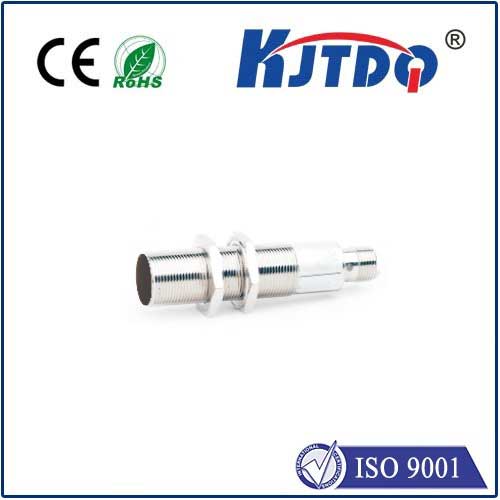
In the world of industrial automation and smart device design, the need for reliable, durable, and maintenance-free sensing solutions is paramount. Among the various technologies available, the magnetic proximity sensor switch stands out for its simplicity, robustness, and versatility. This guide delves into the core principles, key advantages, and diverse applications of this essential component, explaining why it remains a top choice for engineers and designers globally.
At its heart, a magnetic proximity sensor switch is a solid-state electronic device that detects the presence or absence of a magnetic field, typically from a permanent magnet. Unlike mechanical switches that require physical contact, this sensor operates entirely without touching the target object. The most common operating principle is based on the Hall Effect. Inside the sensor, a semiconductor element (the Hall element) generates a small, measurable voltage when exposed to a perpendicular magnetic field. This voltage signal is then processed by integrated circuitry to produce a clean, digital output signal—essentially switching ON or OFF. Another prevalent technology is the Reed Switch, which uses two ferromagnetic, hermetically sealed reeds that come into contact when a magnetic field is applied, completing an electrical circuit. Hall Effect sensors are generally more robust for harsh environments, while Reed Switches offer excellent signal clarity.
The benefits of choosing a magnetic proximity sensor switch are numerous and significant. First and foremost is its non-contact operation. Since there is no physical wear and tear from mechanical actuation, these sensors boast an exceptionally long operational life, often into millions of cycles. This translates to dramatically reduced maintenance costs and downtime. They are also highly reliable in challenging conditions, being inherently sealed against dust, dirt, moisture, oil, and other contaminants that would cripple optical or mechanical switches. Their simplicity leads to easy installation and integration into existing systems. Furthermore, they can detect objects through non-ferrous materials like plastic, glass, or aluminum, enabling unique design possibilities, such as concealed activation points or level sensing through tank walls.
The application spectrum for magnetic proximity sensor switches is remarkably broad. In the automotive industry, they are ubiquitous, used for detecting seat belt engagement, gearbox position, brake pedal travel, and wheel speed in anti-lock braking systems (ABS). In industrial automation, they serve as end-of-travel limit switches on linear actuators, robotic arms, and conveyor systems, providing precise positional feedback. Home appliances leverage them for door-open detection in refrigerators, washing machines, and microwave ovens, ensuring safety and proper operation. They are critical in security systems for monitoring the open/closed status of windows and doors. Even consumer electronics utilize miniature versions for detecting flip covers or cases on smartphones and tablets.
When selecting a magnetic proximity sensor switch for a project, several key specifications must be considered. Sensing distance, or the range at which it can reliably detect the magnet, is primary. The type of output (e.g., NPN, PNP, NO, NC) must be compatible with the control system's input module. Operating voltage range, current consumption, and response speed are also crucial for system design. Environmental ratings, particularly the Ingress Protection (IP) code for dust and water resistance, are vital for applications exposed to the elements or washdowns. Finally, the physical housing size and connection type must fit the mechanical constraints of the installation.
Looking ahead, the evolution of magnetic sensor technology continues. Modern integrated circuits are making sensors smarter, with built-in diagnostics, programmable sensing thresholds, and digital communication protocols like IO-Link. These advancements are paving the way for more predictive maintenance strategies and seamless integration into the Industrial Internet of Things (IIoT). The fundamental principle remains unchanged, but the capabilities and intelligence embedded within these compact devices are growing exponentially.
In conclusion, the magnetic proximity sensor switch is a cornerstone of modern sensing technology. Its blend of non-contact operation, environmental resilience, and straightforward implementation makes it an indispensable tool across countless industries. For engineers seeking a proven, dependable solution for position detection, speed monitoring, or safety interlocking, understanding and utilizing this versatile switch is a key step toward creating more reliable, efficient, and innovative systems.