check

check

check

check

check

check
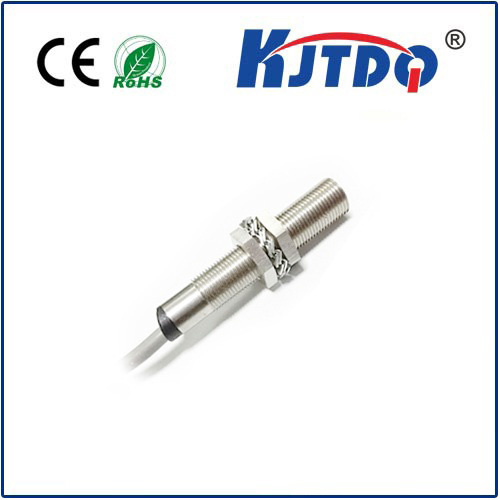
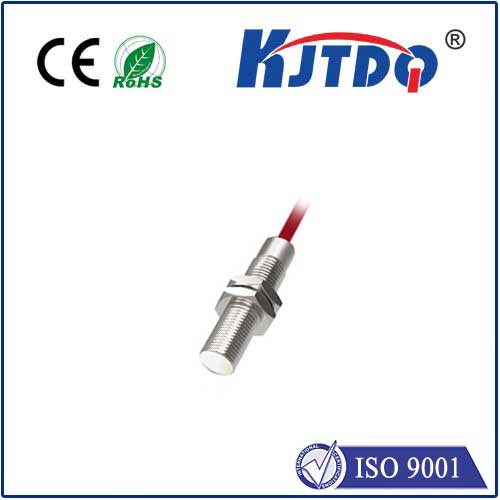
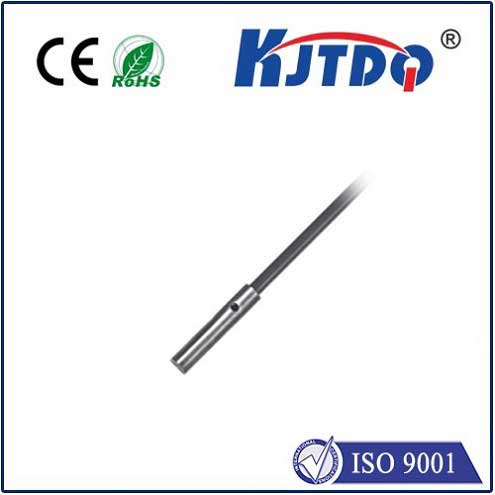
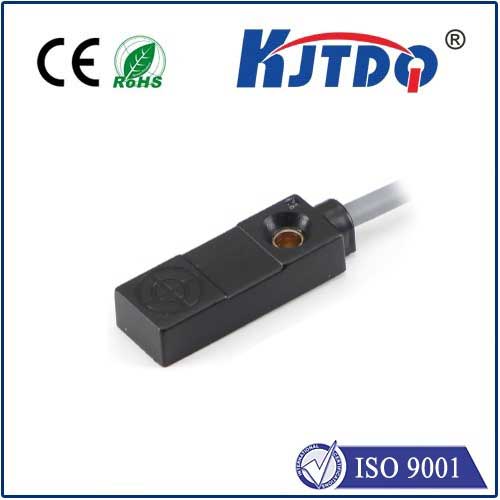
In the intricate world of industrial automation, countless components work in silent harmony. Among them, the proximity inductive sensor operates as an unseen guardian, a critical element ensuring precision, safety, and efficiency. Unlike mechanical switches or optical sensors, this device detects the presence or absence of metallic objects without any physical contact, relying solely on the principles of electromagnetic induction. Its robust, non-contact nature makes it indispensable in harsh environments where dust, oil, or moisture would compromise other sensing technologies.
The core of a proximity inductive sensor is a coil wound around a ferrite core, connected to an oscillator. When an alternating current flows through this coil, it generates an alternating electromagnetic field around the sensor's active face. When a metallic object enters this field, eddy currents are induced on the object's surface. These eddy currents draw energy from the sensor's oscillator, causing a change in its amplitude. This change is detected by the sensor's circuitry, which then triggers a solid-state switch to change its output state. The entire process is remarkably fast and reliable, enabling detection speeds that far surpass mechanical limits.
The applications for these sensors are vast and varied. On a high-speed packaging line, they precisely count aluminum cans zipping by at blinding speeds. Within the controlled chaos of a robotic welding cell, they confirm the exact position of a steel car part before the weld arc fires, preventing costly misalignments. In machine tools, they serve as end-position detectors for hydraulic cylinders, ensuring movements stop at precisely the right point to prevent damage. Their sealed, all-metal housings allow them to thrive in environments ranging from food processing plants, where washdowns are frequent, to heavy machining centers filled with conductive metal chips.
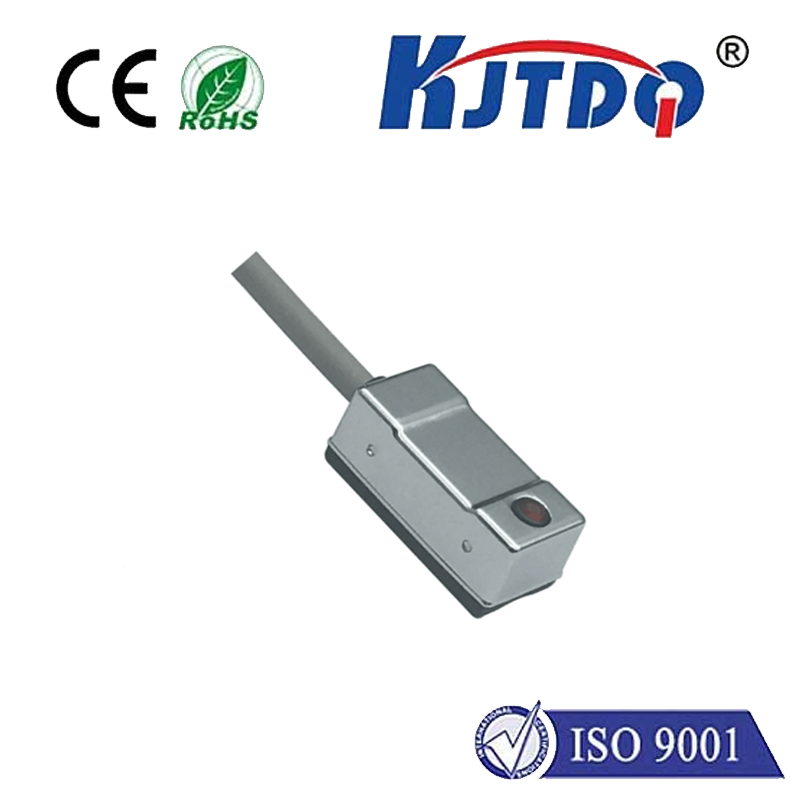
Selecting the right proximity inductive sensor requires careful consideration of several key parameters. The sensing distance, or nominal range, is crucial and is typically specified for a standard target of mild steel. It's important to note that different metals have different reduction factors; for instance, stainless steel may reduce the effective sensing distance, while copper or aluminum reduces it even further. The housing style—whether tubular, rectangular, or slot-type—must fit the mechanical constraints of the application. Output configuration, be it NPN (sinking) or PNP (sourcing), must match the control system's input card requirements. Furthermore, factors like switching frequency, temperature rating, and protection class (IP67/IP69K for harsh conditions) are vital for long-term reliability.
The advantages of implementing proximity inductive sensors are compelling. Their non-contact operation eliminates mechanical wear and tear, granting them an exceptionally long service life measured in millions of cycles. They are immune to problems caused by dirt, grime, or opaque materials that would blind an optical sensor. With no moving parts to jam or break, they significantly reduce maintenance downtime and associated costs. This reliability translates directly into increased production uptime, consistent product quality, and enhanced overall equipment effectiveness (OEE).
Looking ahead, the evolution of proximity inductive sensors continues. Modern iterations incorporate advanced diagnostics via IO-Link communication, providing real-time data on sensor health, temperature, and switchpoint drift to predictive maintenance systems. Miniaturization is pushing boundaries, allowing for installation in incredibly tight spaces. Enhanced noise immunity and broader temperature ranges are expanding their usability into even more demanding sectors like renewable energy and electric vehicle manufacturing.
In essence, the proximity inductive sensor is far more than a simple switch. It is a fundamental pillar of modern industrial logic. By providing a reliable, contact-free signal for the presence of metal, it forms the basic sensory input for countless automated processes. From ensuring a robotic gripper has successfully picked up a component to safeguarding an operator by confirming a safety gate is closed, its role is both foundational and transformative. For engineers and system integrators aiming to build resilient, efficient, and intelligent automated systems, understanding and leveraging the capabilities of the proximity inductive sensor is not just an option—it is a necessity for unlocking peak operational performance in an increasingly automated world.