check

check

check

check

check

check
In the rapidly evolving landscape of industrial automation, precision and reliability are non-negotiable. At the heart of countless automated systems, from intricate assembly lines to robust packaging machinery, lies a critical component: the proximity sensor. Among the leaders in this field, Panasonic proximity sensors have established a reputation for delivering exceptional performance, durability, and innovation, making them a preferred choice for engineers and system integrators worldwide.
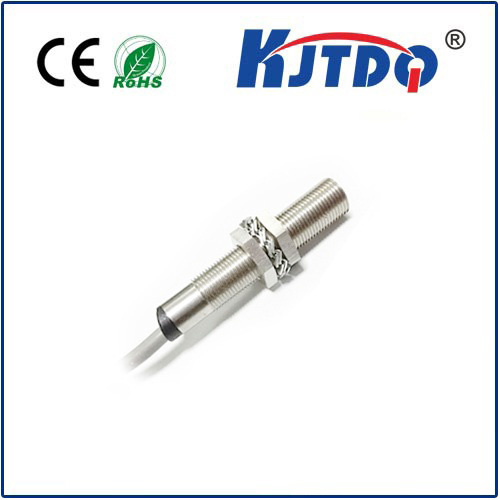
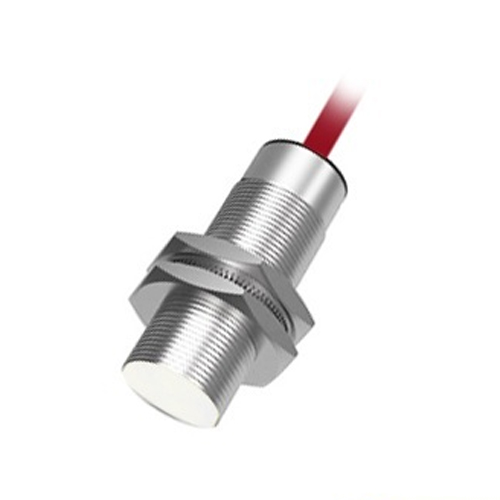
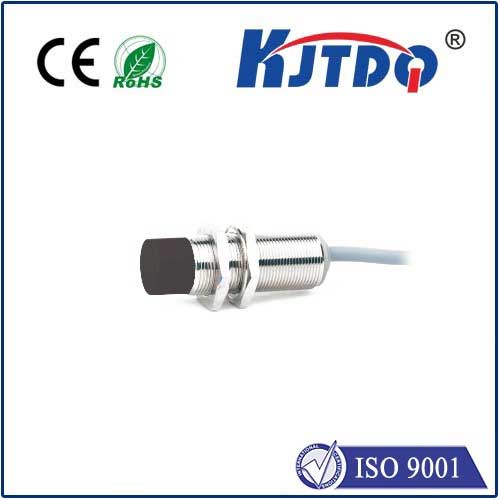
Panasonic's extensive range of inductive, capacitive, and ultrasonic proximity sensors is designed to meet the diverse and demanding needs of modern manufacturing. These devices operate on a simple yet profound principle: detecting the presence or absence of an object without physical contact. This non-contact detection eliminates mechanical wear and tear, significantly extending the operational lifespan of both the sensor and the machinery. For instance, in a high-speed bottling plant, Panasonic inductive sensors reliably detect metal caps on a conveyor belt, ensuring precise capping operations at velocities where mechanical switches would fail.
The core strength of Panasonic proximity sensors lies in their engineering excellence. Built with high-quality materials and subjected to rigorous testing, these sensors excel in challenging industrial environments. They offer remarkable resistance to factors that commonly disrupt operations, such as cutting fluids, dust, oil, and electromagnetic interference. This robustness translates directly into reduced downtime and lower maintenance costs. A automotive welding line, with its intense heat and spatter, benefits immensely from sensors that can withstand such conditions without compromising detection accuracy.
Furthermore, Panasonic continuously integrates advanced technologies to enhance sensor capabilities. Modern series feature improved sensing distances, allowing for more flexible machine design and installation. The development of sensors with built-in IO-Link communication is a significant leap forward. This feature enables not just binary detection but also the continuous monitoring of sensor health, parameter adjustments on-the-fly, and seamless integration into Industry 4.0 and IoT frameworks. Plant managers can now receive predictive maintenance alerts or optimize detection thresholds remotely, paving the way for smarter, more responsive factories.
Ease of use and installation is another hallmark. Many Panasonic models come with intuitive indicators for alignment and operation status, simplifying setup and troubleshooting. Their compact designs allow for installation in space-constrained applications without sacrificing performance. Whether it's ensuring the correct positioning of a component in a CNC machine or counting products on a fast-moving line, these sensors provide consistent and reliable feedback that control systems depend on.
The application spectrum is vast. Beyond traditional manufacturing, Panasonic proximity sensors are instrumental in renewable energy systems, automated warehousing, food and beverage processing, and pharmaceutical production. Their ability to detect various materials—from metals and plastics to liquids and granular substances—makes them incredibly versatile tools for automation.
In conclusion, the integration of high-performance Panasonic proximity sensors is a strategic decision for any operation seeking to boost efficiency, ensure quality, and future-proof its automation infrastructure. By providing reliable, non-contact detection in the toughest conditions and embracing digital connectivity, these sensors do more than just sense objects; they form a foundational layer of intelligence for modern industrial systems, driving productivity and innovation forward.