check

check

check

check

check

check
In the rapidly evolving landscape of industrial automation and the Internet of Things (IoT), the integration of specific technologies creates solutions far greater than the sum of their parts. The convergence of proximity sensing with LoRa (Long Range) wireless communication represents one such powerful synergy, fundamentally changing how industries monitor assets, ensure safety, and optimize processes. This combination addresses long-standing challenges of power, range, and reliability in wireless sensor networks.
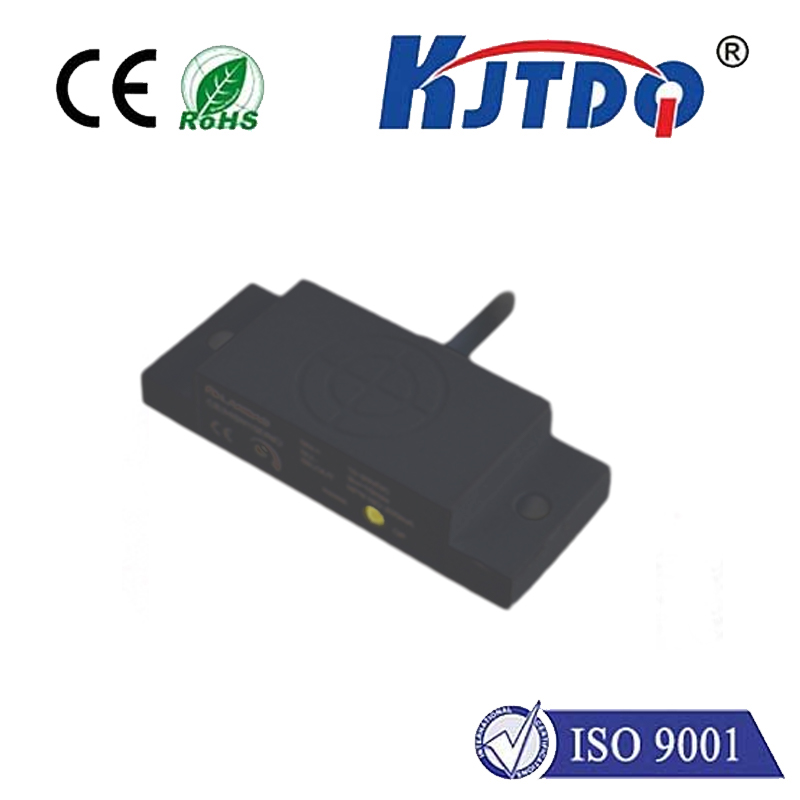
Traditional wired proximity sensors, while reliable, come with significant installation and maintenance costs. Cabling over long distances or in complex facilities is expensive and inflexible. Standard wireless options like Wi-Fi or Bluetooth often fall short in industrial settings due to their limited range and high power consumption, requiring frequent battery changes or continuous power sources. This is where the Proximity Sensor LoRa module emerges as a game-changer. A LoRa-based proximity sensor is a device that detects the presence or absence of an object within a specific range without physical contact and transmits this data using the LoRaWAN protocol over kilometers, all while operating on a small battery for years.
The core advantage lies in LoRa's characteristics. LoRa technology operates in sub-GHz license-free bands, offering exceptional penetration through walls and structures, which is crucial in factories, warehouses, and outdoor yards. Its low-power design is perfectly matched with the typically low-duty cycle of a proximity sensor; the sensor may only need to send a brief data packet when an object is detected or at scheduled intervals. This enables battery lifespans exceeding 5-10 years, eliminating a major maintenance headache. The long range, often several kilometers in rural areas and 2-5 km in dense urban/industrial environments, allows a single gateway to collect data from hundreds of sensors scattered across a vast facility or a large geographical area like a mining site or farm.
Practical applications are vast and transformative. In smart manufacturing, these sensors monitor machine guarding, ensuring safety light curtains are unobstructed, or track the position of components on a long assembly line without costly wiring. In logistics and warehousing, they provide real-time data on bin occupancy, pallet presence, or door/window status across massive distribution centers. In agriculture, they can monitor gate positions on remote farmland or equipment status. For smart cities, they enable intelligent waste management by detecting bin fill levels or monitor parking space occupancy. The low bandwidth of LoRa is ideal for this simple "on/off" or "present/absent" data, making the system highly efficient.
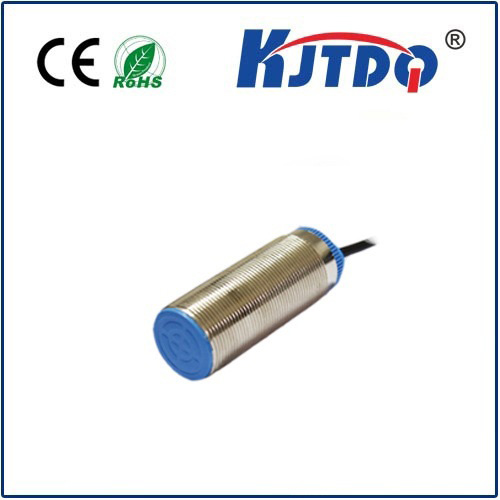
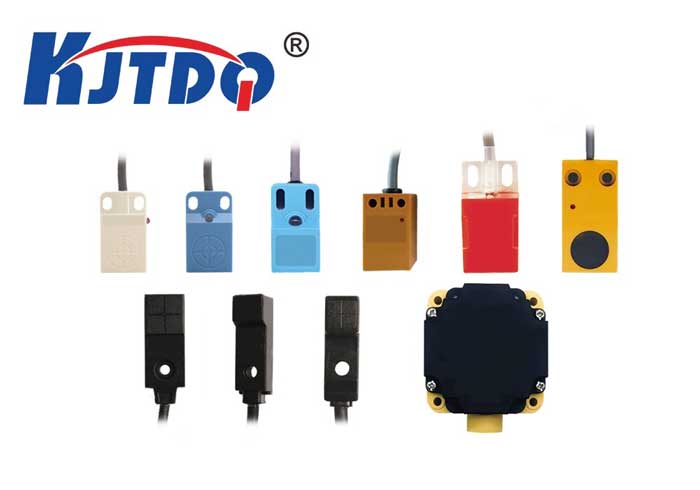
Deploying a Proximity Sensor LoRa solution involves a few key components: the sensor nodes themselves, one or more LoRa gateways that act as central receivers, and a network server/application platform where data is processed and visualized. The choice between inductive, capacitive, or ultrasonic proximity sensing technology depends on the target material and environmental conditions. The setup is notably scalable; adding a new sensor is as simple as mounting it and registering it on the network, with no new wiring required.
Despite its strengths, it is important to understand the trade-offs. LoRa is designed for low-data-rate applications. It is not suitable for streaming high-frequency data or video. The focus is on reliable, intermittent transmission of small packets. For proximity sensing, where the state change is the critical information, this is a perfect fit. Latency, while low, is not real-time in the millisecond sense, but is more than adequate for most monitoring and alerting scenarios.
Security is inherently built into the LoRaWAN protocol through end-to-end AES encryption, ensuring that detection data from a critical machine or access point is secure from interception or spoofing. This makes it viable for sensitive industrial applications. Furthermore, the open standard and growing ecosystem of LoRa devices ensure interoperability and future-proofing of investments.
In conclusion, the Proximity Sensor LoRa combination is not merely an incremental improvement but a foundational shift for industrial and commercial monitoring. It breaks the constraints of wires and the limitations of short-range wireless, delivering a robust, long-lasting, and cost-effective solution. By enabling the seamless collection of simple yet vital presence/absence data from virtually anywhere, it empowers businesses to achieve new levels of operational visibility, predictive maintenance, and automated control, paving the way for smarter, more efficient, and safer industrial environments. As networks expand, this technology will become a standard tool in the arsenal of every operations manager and IoT solution architect.