check

check

check

check

check

check
In the intricate world of industrial automation, precision and reliability are non-negotiable. Among the myriad of components that ensure seamless operation, the proximity sensor stands as a silent sentinel. Specifically, the 35 mm, 12V DC inductive proximity sensor has become a cornerstone in countless applications, from packaging lines to robotic arms. This guide delves into the specifics of this versatile sensor, exploring its working principles, key advantages, and practical implementation tips to help engineers and technicians make informed decisions.
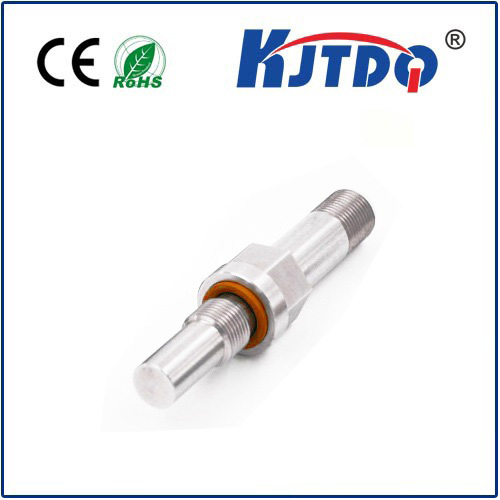
At its core, a 35 mm 12V inductive proximity sensor is a non-contact device designed to detect the presence of metallic objects. The "35 mm" refers to its standard cylindrical housing diameter, a common size that offers a robust physical presence and stable mounting. The "12V DC" denotes its operating voltage, aligning with one of the most prevalent power supply standards in control panels and machinery. When a metal target enters its sensing field—which typically ranges from 10 to 15 mm for a sensor of this size—it disrupts an electromagnetic field generated by the sensor's coil. This disruption is converted into a clean electrical switch signal (PNP or NPN), providing a reliable "on/off" output to a Programmable Logic Controller (PLC) or other control system without any physical contact. This principle eliminates mechanical wear, making it exceptionally durable for high-cycle operations.
The choice of a 35 mm form factor is not arbitrary. This size provides an excellent balance between sensing range, mechanical strength, and environmental resilience. The larger housing allows for a more substantial coil and internal components, often translating to a longer and more stable sensing distance compared to smaller M12 or M18 sensors. It is inherently more resistant to vibration and physical impact, a critical factor in harsh industrial environments. Furthermore, the robust construction typically allows for higher IP (Ingress Protection) ratings, such as IP67 or IP68, ensuring reliable performance in the presence of dust, coolants, and occasional washdowns. The 12V DC specification is equally strategic. It is a safe low voltage, widely available, and compatible with a vast ecosystem of industrial controls, sensors, and relays, simplifying system design and integration.
Deploying a 35 mm 12V proximity sensor effectively requires attention to several key factors. First, mounting is crucial. These sensors are usually threaded (e.g., M30 x 1.5), allowing for secure installation in a drilled and tapped hole or a standard mounting bracket. Ensuring proper alignment and maintaining the recommended lateral and axial distance from the target metal is essential for consistent detection. Second, understanding the sensor's output configuration is vital. A 3-wire DC sensor will be either PNP (sourcing) or NPN (sinking), and this must match the input card of your controller to avoid damage or malfunction. Third, while inductive sensors are insensitive to most non-metallic materials, the type of metal being detected matters. Mild steel provides the standard sensing range, while stainless steel, aluminum, or copper may reduce the effective range, a factor that must be accounted for during design. Always consult the manufacturer's datasheet for correction factors.
The applications for this sensor type are virtually limitless. Common uses include detecting the position of a metal piston in a cylinder, confirming the presence of a pallet on a conveyor, counting metal parts on an assembly line, or serving as a safety interlock on a machine guard. Its robustness makes it ideal for heavy machinery, automotive manufacturing, and material handling systems. When selecting a specific model, consider not just the size and voltage, but also additional features like short-circuit protection, reverse polarity protection, and LED status indicators, which aid greatly in installation and troubleshooting.
In conclusion, the 35 mm 12V DC inductive proximity sensor is a workhorse of modern industry. Its combination of a durable physical design, reliable non-contact sensing, and compatibility with standard control voltages makes it an indispensable tool for engineers seeking to build resilient and efficient automated systems. By understanding its specifications, operating principles, and application nuances, you can leverage this component to enhance machine performance, reduce downtime, and achieve new levels of operational precision.