check

check

check

check

check

check
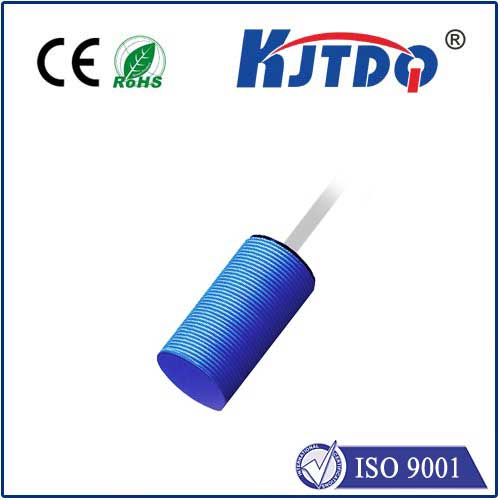
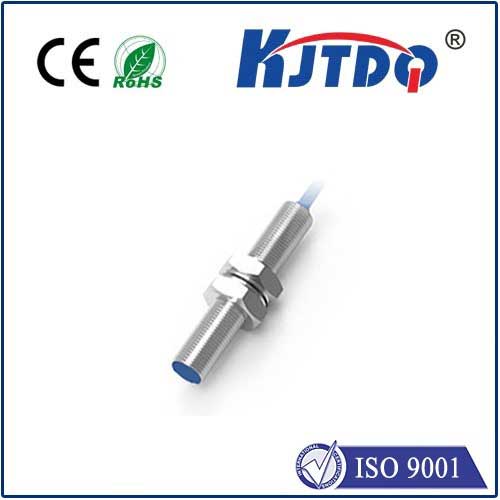
In modern industrial environments, the demand for precise, reliable, and non-contact detection has never been greater. Position sensor proximity technology stands at the forefront of this evolution, offering a sophisticated solution for monitoring object presence, distance, and movement without physical interaction. These sensors, often based on inductive, capacitive, or magnetic principles, generate an electromagnetic field. When a target object enters this field, it causes a detectable change, allowing the sensor to trigger an output signal. This fundamental operation makes them indispensable in applications ranging from assembly line automation and robotic guidance to safety interlocks and material handling systems.
The advantages of using proximity position sensors are manifold. Their non-contact nature eliminates mechanical wear and tear, significantly enhancing longevity and reducing maintenance costs. They are capable of high-speed operation, detecting objects in milliseconds, which is crucial for fast-paced manufacturing processes. Furthermore, these sensors perform consistently in harsh conditions—resistant to dust, moisture, vibrations, and extreme temperatures—where traditional mechanical switches would fail. Industries such as automotive manufacturing, packaging, food and beverage, and pharmaceuticals rely heavily on their robustness and accuracy to ensure seamless, uninterrupted production flows.
A key development in this field is the integration of smart features and IoT connectivity. Modern proximity sensors can now provide diagnostic data, such as operational status and health metrics, directly to control systems. This enables predictive maintenance, where potential issues are identified and addressed before they lead to downtime. For instance, a sensor can alert operators to gradual signal decay or contamination buildup, allowing for scheduled cleaning or replacement during planned stops. This proactive approach not only boosts overall equipment effectiveness (OEE) but also contributes to smarter, more efficient factory ecosystems.
When selecting a proximity sensor for a specific application, several factors must be considered. The sensing range, which varies from a few millimeters to several centimeters, must match the operational requirements. The composition of the target material is also critical; inductive sensors excel with metals, while capacitive versions can detect non-metallic substances like plastics, liquids, or wood. Environmental factors, including temperature ranges and potential exposure to chemicals, dictate the required housing and ingress protection (IP) ratings. Additionally, output types—whether digital (PNP/NPN) or analog—must be compatible with the existing control architecture.
Looking ahead, the convergence of position sensor proximity technology with advancements in artificial intelligence and machine learning promises even greater capabilities. Future sensors may feature enhanced adaptability, self-calibration, and the ability to distinguish between different object types or shapes autonomously. As Industry 4.0 continues to mature, these intelligent sensing nodes will form the backbone of fully automated, data-driven production environments. For engineers and system integrators, staying abreast of these innovations is essential for designing competitive, resilient, and future-proof automation solutions that maximize productivity and safety.