check

check

check

check

check

check
In the world of industrial automation and electronic design, the reliable detection of objects or positions is paramount. Two fundamental components that serve this critical function are the proximity sensor and the reed sensor. While both are designed for sensing and switching, they operate on distinct principles and excel in different environments. Understanding their unique characteristics is key to selecting the right sensor for your application, ensuring optimal performance, durability, and cost-effectiveness.
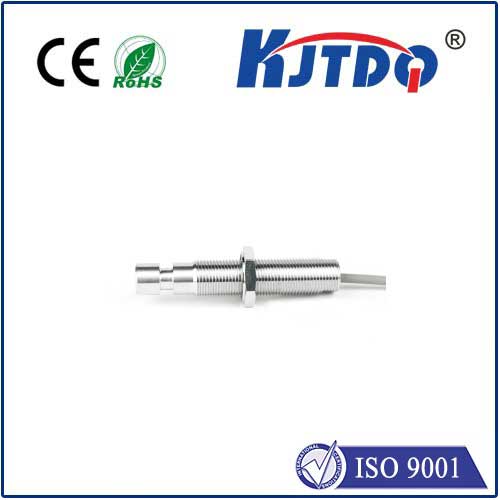
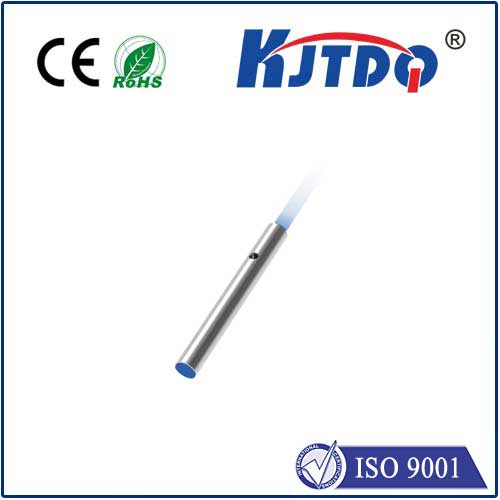
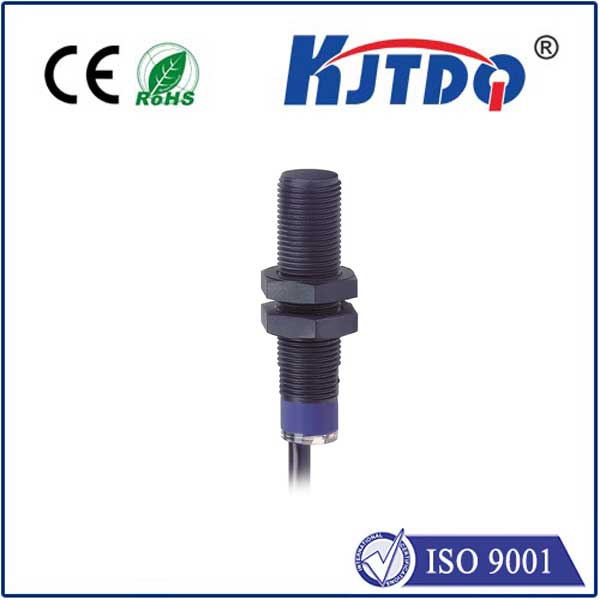
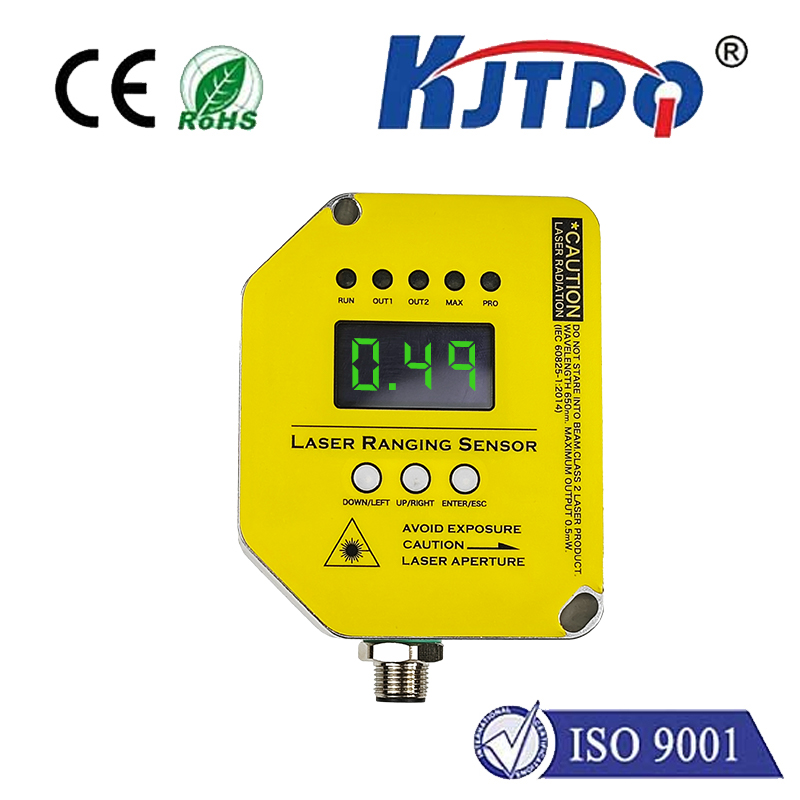
A proximity sensor is a non-contact device that detects the presence or absence of an object within its sensing range without any physical contact. Common types include inductive, capacitive, and photoelectric sensors. Inductive proximity sensors, for instance, generate an electromagnetic field and detect eddy current losses caused by metallic objects. They are incredibly robust, resistant to dirt, oil, and water, making them ideal for harsh industrial settings like machine automation, conveyor systems, and robotic arms. Their ability to detect metals at high speeds and with high repeatability is a significant advantage. Capacitive sensors can detect both metallic and non-metallic materials, such as liquids, plastics, or wood, by measuring changes in capacitance. This makes them suitable for level detection in tanks or material handling. Photoelectric sensors use light beams and are excellent for long-range detection and sensing transparent objects.
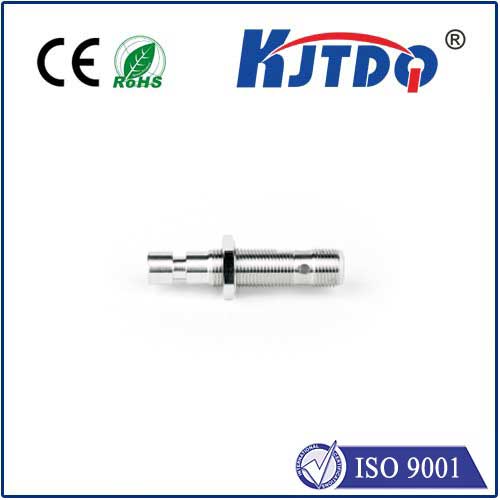
On the other hand, a reed sensor is a magnetically actuated switch. It consists of two ferromagnetic reed contacts sealed within a glass tube filled with an inert gas. When an external magnetic field approaches, the reeds magnetize, attract each other, and make contact, closing the circuit. When the magnet moves away, the reeds spring back to their open position. This simple, sealed design gives reed sensors remarkable advantages. They are completely passive, requiring no external power to operate the switching mechanism itself. The hermetically sealed contacts are protected from dust, corrosion, and oxidation, leading to exceptionally long operational life and high reliability in billions of cycles. Furthermore, they can switch very low voltages and currents (dry circuit switching) perfectly, which is crucial for sensitive electronic circuits.
The core difference lies in their actuation method and environmental resilience. Proximity sensors (especially inductive) are active devices requiring a power supply and are triggered by the physical properties of the target object itself. Reed sensors are passive switches activated solely by a magnetic field, typically from a separate magnet. This makes reed sensors ideal for safety and position detection applications where power may not be available at the sensing point or where explosive atmospheres exist, as they generate no heat or spark intrinsically. Common applications for reed sensors include door and window security alarms, where a magnet on the door actuates the sensor on the frame, liquid level indicators in float switches, and as position sensors in medical devices and automotive systems.
When choosing between a proximity sensor and a reed sensor, consider the application parameters. For detecting metal objects in tough, dirty industrial environments with high speed and precision, an inductive proximity sensor from KJTDQ is often the superior choice. For applications requiring ultra-reliable, low-power switching in clean or hazardous environments, or where a magnetic field is the preferred actuation method, a KJTDQ reed sensor provides an unbeatable solution. KJTDQ offers a wide range of both sensor types, engineered with high-quality materials and stringent manufacturing controls to deliver consistent performance. Their proximity sensors are known for their sensing distance accuracy and robust housing, while their reed sensors are celebrated for their sensitive response and longevity.
In conclusion, both proximity sensors and reed sensors are indispensable tools in the engineer's toolkit. The proximity sensor offers versatile, robust object detection, while the reed sensor provides a simple, reliable, and power-free magnetic switching solution. By carefully evaluating the target material, environmental conditions, required switching speed, and power constraints, designers can leverage the strengths of each. Partnering with a trusted supplier like KJTDQ ensures access to reliable components that enhance system efficiency, safety, and reliability, forming the silent, dependable backbone of countless automated and electronic systems worldwide.