check

check

check

check

check

check
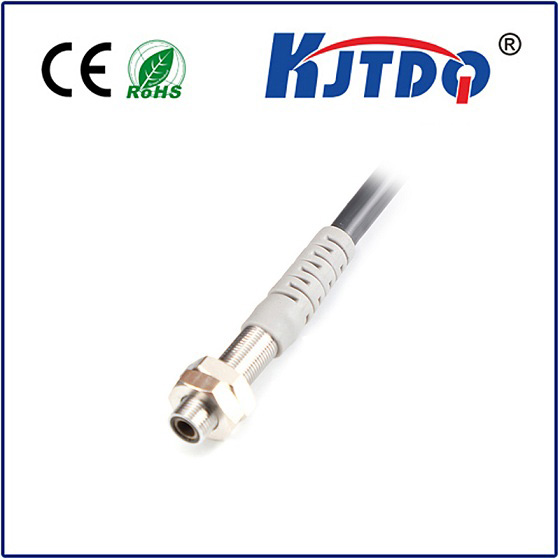
In the intricate world of industrial automation and machine safety, selecting the correct sensor is paramount. Among the various configurations, the proximity sensor with an NPN Normally Open (NO) output is a fundamental and widely adopted component. This guide delves into the specifics of this sensor type, explaining its operation, key advantages, and typical use cases to empower engineers and technicians in making informed decisions.
First, it's essential to break down the terminology. A proximity sensor is a non-contact device that detects the presence or absence of an object within its sensing range. "NPN" and "NO" describe its electrical output characteristics. NPN refers to the type of transistor used in the sensor's switching circuit. In an NPN sensor, the output acts as a switch to ground (or negative voltage). When the sensor is activated (detects a target), it connects the output signal wire to the common negative (0V), allowing current to sink into the sensor. This is often called a "sinking" output. Conversely, "Normally Open (NO)" defines the default state of the internal switch. In its idle state (no target present), the circuit is open, meaning no output signal is present. When a target enters the sensing field, the switch closes, completing the circuit and providing an output signal.
The combination of NPN and NO creates a specific operational logic. An NPN NO proximity sensor remains "off" or inactive until it detects a metallic object (for inductive types) within its specified range. Upon detection, it triggers, sending a low signal (sinking current) to the connected controller, such as a Programmable Logic Controller (PLC) or a relay. This signal is interpreted as a "TRUE" or "ON" condition, initiating a programmed action—stopping a conveyor, counting parts, or confirming a machine's position.
Why is the NPN NO configuration so prevalent? Its primary advantage lies in compatibility and safety. In many global regions, especially Europe and Asia, control systems are often designed with positive switching logic, where the PLC input cards are wired to expect a sinking (NPN) signal. Using an NPN sensor directly interfaces with these systems without requiring additional interface modules. From a diagnostic perspective, a NO configuration can be advantageous for fail-safe monitoring. If a wire breaks or the sensor fails, the circuit remains open, providing no signal. This "dead wire" state can be more easily detected by monitoring systems as a fault condition, prompting immediate maintenance, which is crucial for safety-critical applications.
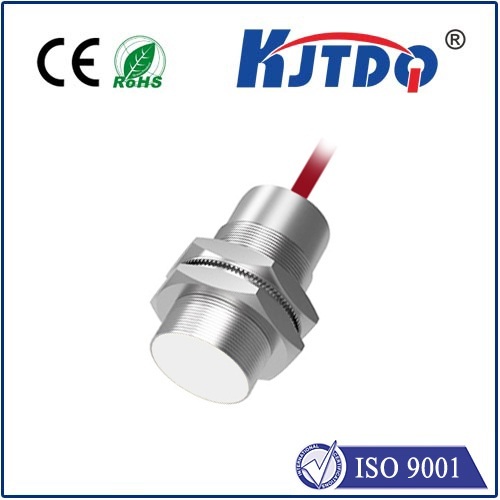
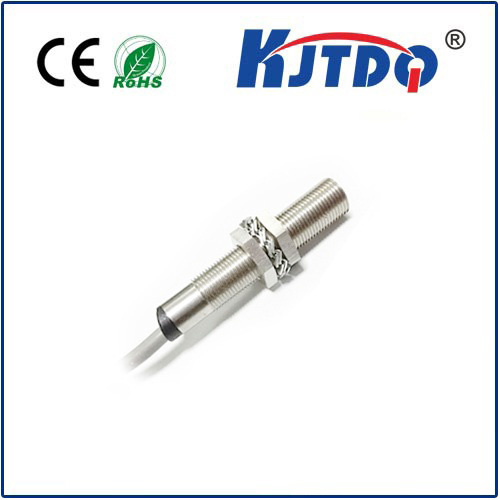
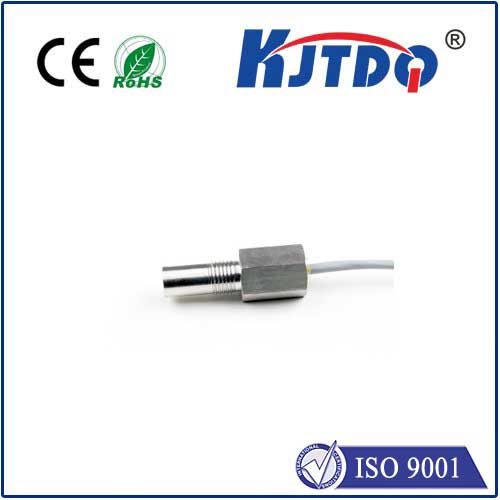
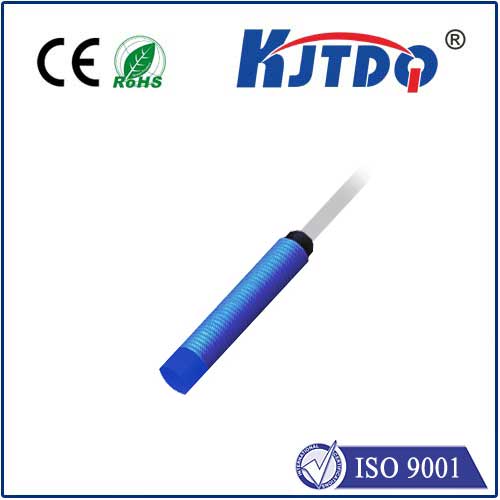
Typical applications for NPN NO inductive proximity sensors are abundant in manufacturing. They are ideal for simple presence detection on high-speed assembly lines, such as verifying a component is in place before a robotic arm performs an operation. They are also used for end-of-travel positioning on linear actuators, ensuring a machine part has fully retracted before the next cycle begins. In material handling, they count metal objects on a conveyor belt. Their robust, non-contact nature makes them perfect for harsh environments with dust, oil, or vibration, where mechanical limit switches would wear out quickly.
When integrating an NPN NO sensor, proper wiring is critical. The sensor typically has three wires: brown (connected to the positive supply voltage, e.g., +24V DC), blue (connected to the common negative or 0V), and black (the output signal wire). The black wire is connected to the input channel of the PLC. The PLC input itself is internally connected to the positive supply through a resistor (a sourcing input). When the sensor activates, it connects the PLC input to 0V (through the blue wire), completing the circuit and registering the input as ON.
Understanding the distinction between NPN and PNP (which sources current) and between NO and NC (Normally Closed) is vital for system design. An incorrect choice can lead to a system that is logically inverted or completely non-functional. Always consult the machine's electrical diagrams and PLC specifications before sensor selection. Furthermore, pay close attention to the sensor's specifications: sensing distance, target material (steel, aluminum, brass), housing material (nickel-plated brass, stainless steel), and environmental protection ratings (IP67, IP69K).
In summary, the NPN Normally Open proximity sensor is a cornerstone of modern industrial control. Its sinking output logic aligns with common PLC architectures, and its normally open function provides clear operational states suitable for a multitude of detection and safety tasks. By mastering its principles—the "sinking" action of NPN and the "make-on-detection" behavior of NO—professionals can ensure reliable, safe, and efficient automation system performance.