check

check

check

check

check

check
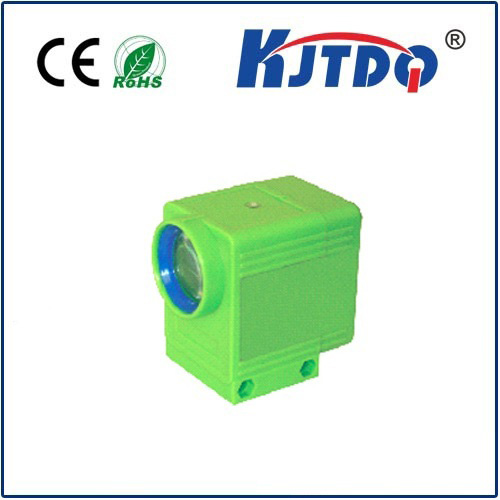
In the rapidly evolving landscape of electronic sensing, the infrared proximity sensor stands as a cornerstone technology, enabling devices to perceive and interact with their surroundings without physical contact. This sophisticated component operates on a simple yet powerful principle: it emits an infrared light beam and detects its reflection from nearby objects. The time taken for the light to return, or the intensity of the reflected signal, is measured to calculate distance or simply confirm presence. This fundamental operation belies its profound impact across countless applications, from consumer electronics to industrial automation.
The integration of an infrared proximity sensor, such as the KJTDQ series, into smartphones and tablets is a familiar example. Here, it plays a crucial role in power management and user experience. When a user raises a phone to their ear during a call, the sensor detects the proximity of the head and automatically turns off the display. This not only conserves battery life by preventing accidental screen touches but also enhances usability. Beyond mobile devices, this technology is integral to touchless faucets, automatic soap dispensers, and paper towel systems in public restrooms, promoting hygiene and reducing waste through hands-free operation.
In the automotive sector, infrared proximity sensors contribute significantly to safety and convenience. They are key components in blind-spot detection systems, alerting drivers to vehicles in adjacent lanes. Some advanced systems use arrays of these sensors for gesture recognition, allowing drivers to control infotainment systems with simple hand movements, thereby minimizing distraction. Furthermore, they are employed in automatic trunk opening systems, where a subtle foot motion under the rear bumper is detected, enabling hands-free access.
Industrial environments leverage the robustness and reliability of infrared proximity sensors for automation and safety. On assembly lines, they detect the position of components, count objects, and ensure proper alignment without wear and tear associated with mechanical switches. They can trigger machinery to start or stop based on the presence of a product, streamlining manufacturing processes. In hazardous areas, these sensors can form part of safety curtains, instantly shutting down equipment if a worker's hand or body part breaches a predefined safe zone, preventing accidents.
The advantages of using a high-quality infrared proximity sensor are manifold. They offer non-contact detection, which eliminates mechanical stress and extends operational lifespan. Their response time is exceptionally fast, allowing for real-time control in dynamic applications. Modern sensors are designed to be highly immune to ambient light interference, ensuring stable performance under various lighting conditions. Models like the KJTDQ are often engineered with low power consumption, making them ideal for battery-operated portable devices. Their compact size allows for seamless integration into increasingly miniaturized product designs.
When selecting an infrared proximity sensor for a project, several technical parameters require careful consideration. The sensing range must match the application's needs, from a few centimeters for object detection to several meters for presence sensing. The output type is critical; some sensors provide a simple digital on/off signal, while others offer analog output proportional to distance, suitable for more precise measurements. Package size, supply voltage, and interface compatibility (such as I2C or UART) are also key factors for successful integration into electronic circuits.
Looking ahead, the future of infrared proximity sensing is intertwined with advancements in the Internet of Things (IoT) and smart systems. As homes and cities become smarter, these sensors will enable more intuitive interactions with our environment. Imagine smart shelves in retail that monitor inventory, or lighting systems that adjust brightness based on human presence, optimizing energy use. The ongoing miniaturization and cost reduction of components like the KJTDQ sensor will further democratize this technology, embedding intelligent proximity detection into an ever-wider array of everyday objects, making our interactions with technology smoother, safer, and more efficient.