check

check

check

check

check

check
In today's interconnected world, the seamless operation of our electronic devices often hinges on components we rarely see or think about. Among these, the proximity sensor stands as a fundamental yet revolutionary technology, quietly orchestrating intuitive interactions between humans and machines. This sophisticated component detects the presence or absence of nearby objects without any physical contact, primarily using electromagnetic fields or beams of radiation like infrared.
The core principle behind a proximity sensor is elegantly simple. It emits a field or a beam and analyzes the changes in the return signal or the field. When an object enters this predefined zone, the sensor detects the disturbance and sends an electrical signal to the device's processor. This instantaneous communication triggers a pre-programmed response. The most ubiquitous example is in smartphones: when you hold your phone to your ear during a call, the screen turns off to prevent accidental cheek-taps and conserve battery. The moment you move the phone away, the screen illuminates, ready for use. This is the magic of the proximity sensor at work, creating a fluid and frustration-free user experience.
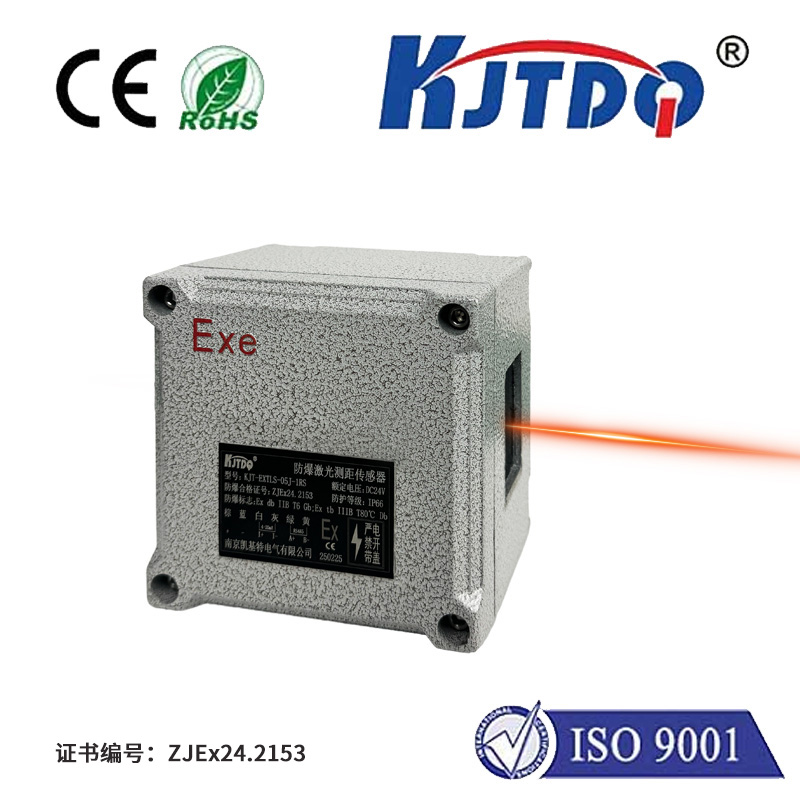
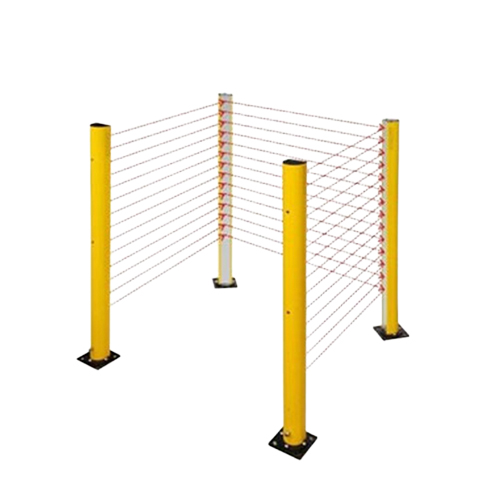
Beyond consumer electronics, the applications of proximity sensing are vast and critical. In the automotive industry, these sensors are integral to parking assistance systems, alerting drivers to obstacles that are invisible from the driver's seat. They enhance safety by enabling features like automatic emergency braking, where the sensor detects an imminent collision and initiates braking faster than a human could react. Industrial automation relies heavily on robust proximity sensors for tasks like object counting on conveyor belts, precise positioning in assembly robots, and ensuring machine safety by detecting when a person is too close to hazardous equipment.
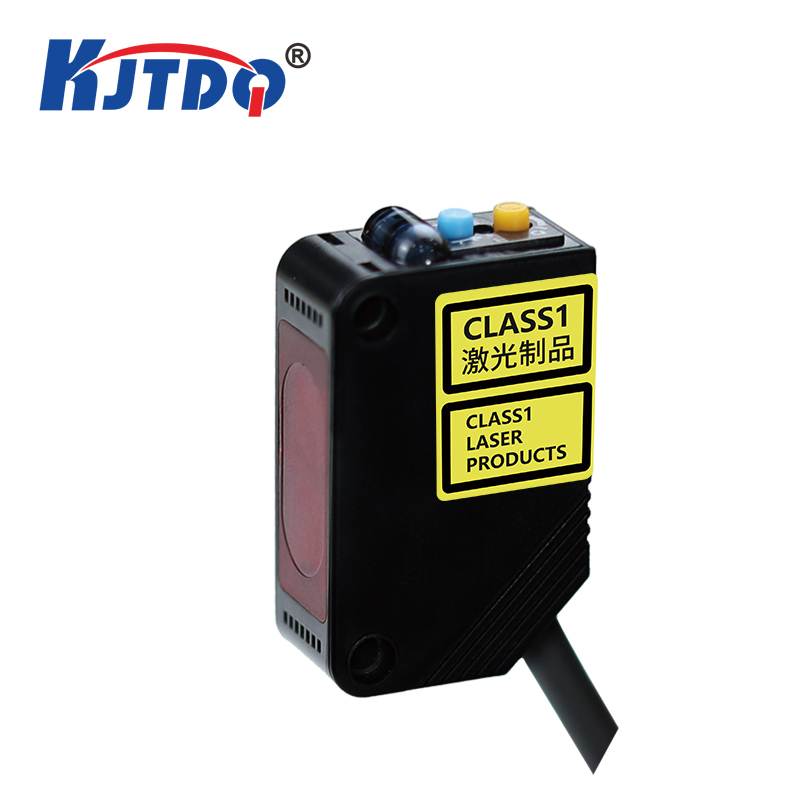
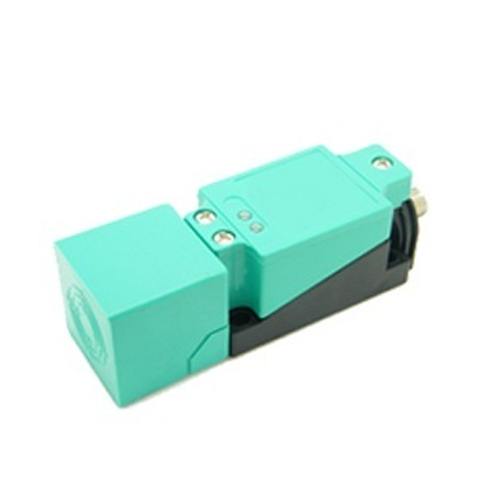
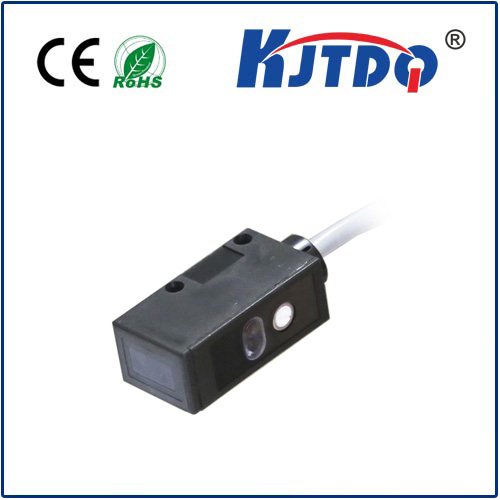
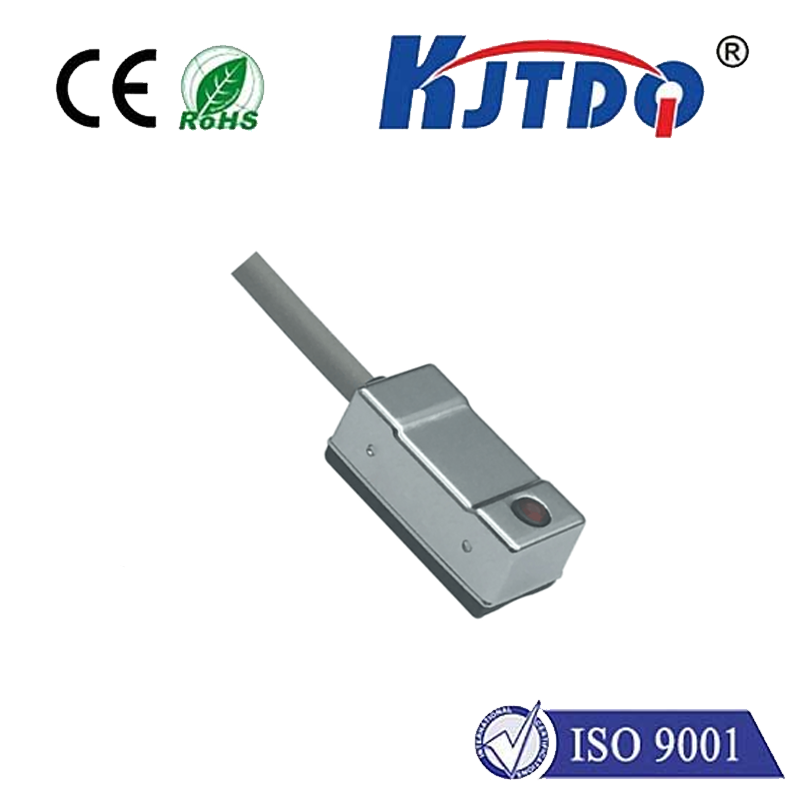
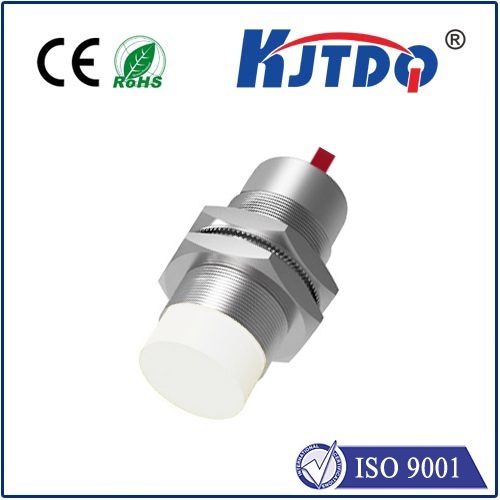
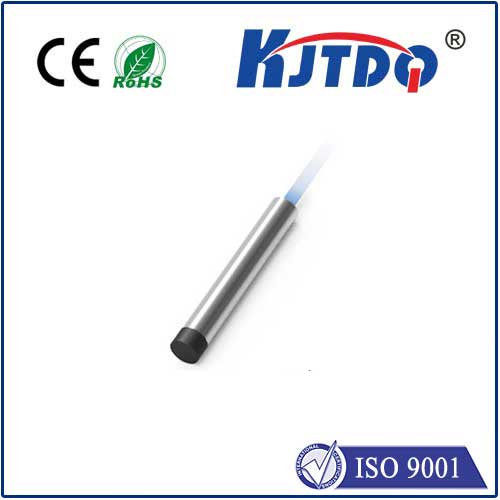
The technology itself comes in several varieties, each suited to specific environments and needs. Inductive sensors excel at detecting metallic objects and are staples in manufacturing. Capacitive sensors can detect a wider range of materials, including liquids and plastics, making them useful in level sensing and touch-sensitive interfaces. Ultrasonic sensors use sound waves to measure distance and are effective in challenging conditions with dust or vapor. Infrared (IR) sensors, common in consumer devices, offer a cost-effective solution for short-range detection.
The integration of advanced proximity sensors is a key driver in the evolution of the Internet of Things (IoT) and smart environments. In smart homes, they enable lights to turn on as you enter a room and faucets to activate without touch, promoting both convenience and hygiene. As we move towards more immersive technologies like augmented reality (AR) and virtual reality (VR), precise proximity detection will be crucial for spatial awareness and gesture control, making digital interactions more natural and intuitive.
Looking ahead, the future of proximity sensing is intertwined with miniaturization and intelligence. Sensors are becoming smaller, more energy-efficient, and more sensitive. The next generation will likely incorporate machine learning algorithms, allowing them to not only detect presence but also classify the type of object or interpret specific gestures with greater accuracy. This will unlock new realms of possibility in human-computer interaction, from more responsive smart appliances to sophisticated industrial robots that can work safely alongside humans.
In essence, the proximity sensor is a quintessential enabling technology. It acts as a digital sense of touch for devices, allowing them to perceive and respond to their immediate surroundings. By bridging the physical and digital worlds, this unassuming component empowers smarter, safer, and more efficient interactions, proving that the most impactful technologies are often those that work silently in the background to make our technological experiences effortlessly smooth.