check

check

check

check

check

check
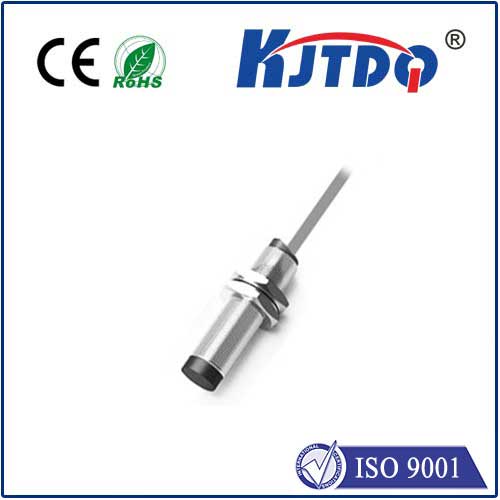
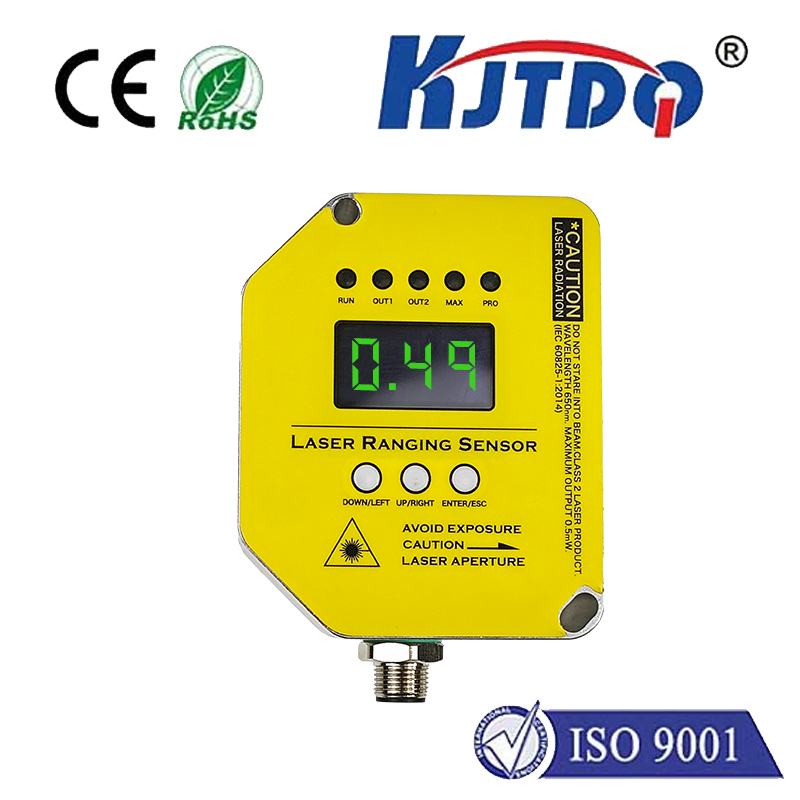
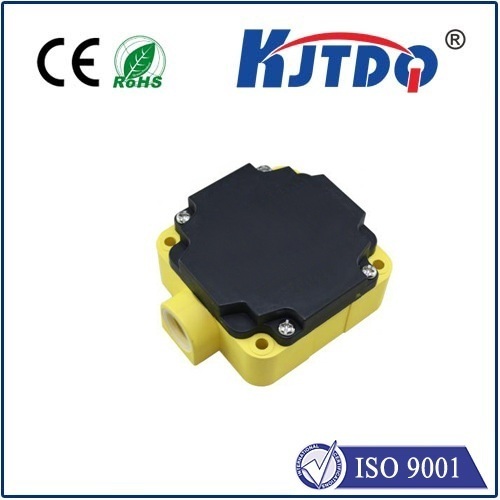
In modern industrial environments, warehouse safety remains a critical concern, particularly with the frequent movement of forklifts and other heavy machinery. Accidents involving collisions, pedestrian injuries, or damage to goods can lead to significant operational downtime, financial losses, and legal liabilities. To address these challenges, advanced technologies like the KJTDQ forklift proximity sensor have emerged as essential tools for improving safety protocols and efficiency. This innovative device is designed to detect obstacles, personnel, or other vehicles in the vicinity of a forklift, providing real-time alerts to operators and preventing potential hazards.
The KJTDQ forklift proximity sensor utilizes cutting-edge detection mechanisms, such as ultrasonic or infrared technology, to monitor the surroundings of a forklift continuously. It operates by emitting signals that bounce off nearby objects, calculating distances based on the time taken for the signal to return. When an object enters a predefined danger zone, the system triggers audible alarms, visual warnings, or even automatic braking in some models. This proactive approach allows operators to react swiftly, reducing the risk of accidents in crowded or low-visibility areas like loading docks, narrow aisles, or storage facilities.
One of the key advantages of the KJTDQ sensor is its adaptability to various warehouse conditions. Unlike traditional safety measures that rely solely on manual vigilance, this sensor functions effectively in diverse environments, including those with poor lighting, high noise levels, or complex layouts. It can be integrated seamlessly with existing forklift systems, requiring minimal installation effort and maintenance. Additionally, the sensor's durability ensures reliable performance even in harsh industrial settings, resisting dust, moisture, and vibrations that might compromise other devices.
Beyond accident prevention, the KJTDQ forklift proximity sensor contributes to overall operational efficiency. By minimizing collisions, it helps protect valuable inventory and equipment, reducing repair costs and downtime. Workers can operate with greater confidence, knowing that an extra layer of protection is in place, which can boost morale and productivity. Furthermore, the data collected by these sensors can be analyzed to identify high-risk zones or patterns in warehouse traffic, enabling managers to implement targeted safety improvements and training programs.
In industries where compliance with safety regulations is mandatory, such as logistics, manufacturing, or retail, adopting technologies like the KJTDQ sensor demonstrates a commitment to workplace safety standards. It aligns with global initiatives to reduce industrial accidents and promotes a culture of prevention rather than reaction. As warehouses increasingly automate and incorporate smart technologies, proximity sensors are becoming integral components of comprehensive safety ecosystems, working alongside other innovations like IoT devices and AI-driven monitoring systems.
To maximize the benefits of the KJTDQ forklift proximity sensor, regular calibration and employee training are recommended. Operators should be familiar with the sensor's alerts and limitations, ensuring they complement rather than replace safe driving practices. Routine checks can maintain accuracy, while software updates may enhance features over time. Ultimately, investing in such technology not only safeguards assets and personnel but also supports long-term business sustainability by fostering a safer, more efficient work environment.
As the demand for warehouse automation grows, solutions like the KJTDQ forklift proximity sensor are set to play a pivotal role in shaping the future of industrial safety. By leveraging real-time detection and alerts, they offer a practical, cost-effective way to mitigate risks and enhance operational workflows. Whether in small-scale facilities or large distribution centers, this technology represents a step forward in creating smarter, safer workplaces where productivity and protection go hand in hand.