check

check

check

check

check

check
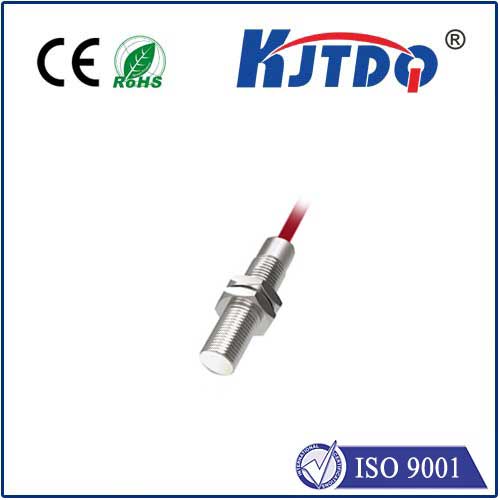
In today's rapidly evolving industrial landscape, precision, reliability, and efficiency are non-negotiable. Among the myriad of components that keep modern machinery humming, the magnetic proximity sensor stands out as a critical enabler of automated processes. These robust devices detect the presence or absence of a magnetic object without physical contact, making them indispensable in harsh environments where dust, moisture, or vibration would cripple other sensing technologies.
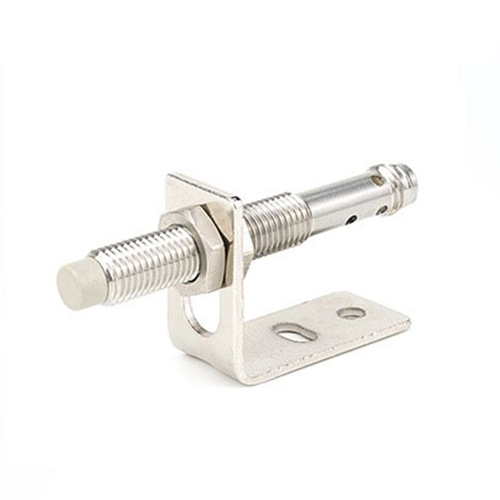
The fundamental principle behind a magnetic proximity sensor is elegantly simple. It typically consists of a reed switch or a semiconductor-based Hall effect sensor housed within a protective casing. When a permanent magnet or a ferromagnetic target (like a gear tooth or actuator) approaches within its sensing range, the magnetic field triggers the sensor to change its output state. This contactless operation eliminates mechanical wear and tear, granting these sensors an exceptionally long operational life—often measured in millions of cycles. This durability translates directly into reduced maintenance costs and minimized production downtime, a key consideration for any facility manager.
One of the most compelling advantages of magnetic proximity sensors is their resilience. Sealed against contaminants like oil, coolants, and metal shavings, they perform flawlessly in demanding applications such as CNC machine tools, hydraulic cylinders, and automated assembly lines. Unlike optical sensors, they are unaffected by ambient light or accumulated grime. Their binary output—either "on" or "off"—provides a clear, unambiguous signal to Programmable Logic Controllers (PLCs), making integration straightforward and programming simple. This reliability ensures consistent performance in critical safety applications, including position verification on robotic arms or door interlock systems.
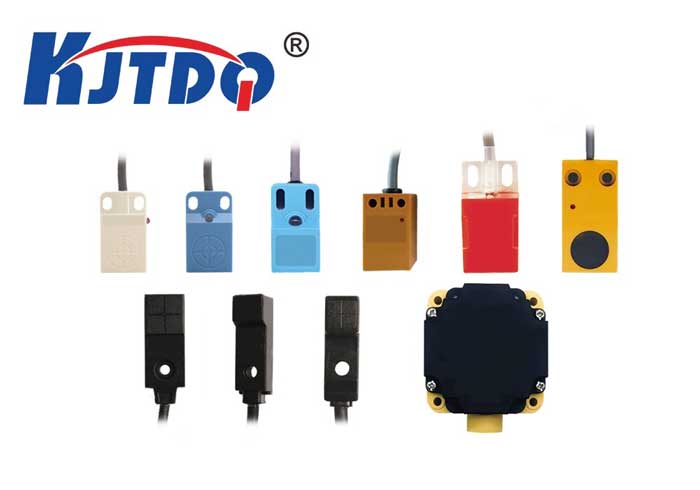
The versatility of magnetic proximity sensors is another major strength. They are available in various form factors, including cylindrical, rectangular, and slot-style designs, with sensing ranges tailored to specific needs. Some advanced models offer adjustable sensitivity or provide analog output proportional to the distance of the target, enabling more nuanced control. This adaptability allows engineers to specify the perfect sensor for tasks ranging from simple limit switching on a conveyor to sophisticated speed monitoring on a motor shaft.
When selecting a magnetic proximity sensor for an application, several technical parameters demand careful evaluation. The sensing distance, or "switching distance," must be chosen with the target material and size in mind. The housing material, typically stainless steel, brass, or PBT plastic, must be compatible with the environmental conditions, including potential chemical exposure. Electrical characteristics like operating voltage (commonly 10-30V DC or 90-250V AC), output type (PNP/NPN), and current rating are crucial for ensuring compatibility with the existing control system. Proper installation is equally vital; ensuring correct alignment with the target magnet and maintaining the recommended mounting distances guarantees optimal performance and avoids false triggering.
Looking ahead, the integration of magnetic sensing technology with Industrial Internet of Things (IIoT) platforms is set to unlock new potentials. Smart sensors with integrated diagnostics can communicate not just a state change, but also data on operating temperature, signal strength, and predictive failure alerts. This shift from simple detection to data-rich monitoring empowers predictive maintenance strategies, allowing issues to be addressed before they cause a line stoppage.
In conclusion, the magnetic proximity sensor is far more than a simple switch. It is a foundational component that brings robustness, longevity, and precision to automated systems. Its ability to operate reliably in adverse conditions while providing a clean, repeatable signal makes it the smart, economical choice for engineers designing the factories of today and tomorrow. By understanding its principles and carefully matching its specifications to the application, businesses can achieve higher levels of automation efficiency and operational reliability.