check

check

check

check

check

check
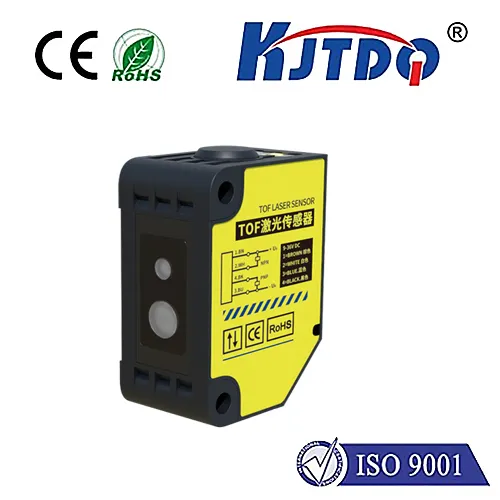
In the realm of industrial automation, precision and reliability are non-negotiable. Among the myriad of components that ensure seamless operations, the PNP NC proximity sensor stands out as a critical workhorse. This guide delves into the intricacies of this sensor type, explaining its function, advantages, and ideal applications to help you make an informed decision for your systems.
First, let's decode the terminology. "PNP" refers to the sensor's output configuration. A PNP sensor, also known as a "sourcing" sensor, switches the positive voltage to the load when it detects a target. The "NC" stands for Normally Closed. In its default state without a target present, the NC circuit is closed, allowing current to flow. When a target enters the sensing range, the circuit opens, interrupting the signal. This behavior is the inverse of a NO (Normally Open) sensor. Combined, a PNP NC proximity sensor provides a high signal (positive voltage) in its resting state and switches to a low or off signal upon detection.
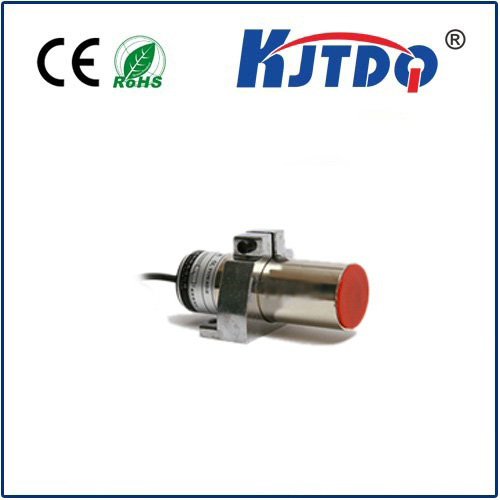
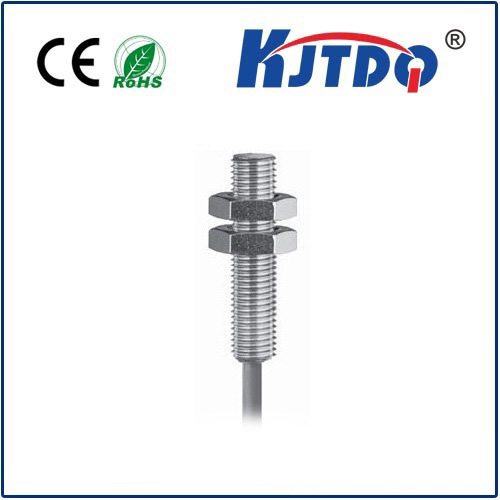
The core technology behind most modern proximity sensors is inductive sensing. The sensor generates an electromagnetic field from its face. When a metallic target enters this field, eddy currents are induced in the target, causing a change in the oscillation amplitude within the sensor. This change is detected by the internal circuitry, which then triggers the solid-state output switch (the PNP transistor in this case) to change state. This contactless operation is key to their durability, as there is no physical wear from repeated actuation.
Why choose a PNP NC configuration? The benefits are significant for specific safety and logic control scenarios. The fail-safe characteristic of an NC configuration is a major advantage. In a critical safety circuit, a wire break or power loss to a Normally Closed sensor will cause the signal to drop, which can be programmed to trigger an immediate machine halt or alarm. This inherent safety feature makes PNP NC sensors ideal for monitoring guard positions, end-of-travel limits, or presence verification where an "open circuit" must indicate a fault or unsafe condition. From a wiring perspective, PNP sensors are often preferred in many regions and PLC systems because they conveniently connect the load between the sensor output and common negative.
These sensors excel in diverse industrial environments. Common applications include position verification in assembly lines, where the absence of a part (detected as the sensor being actuated) needs to stop the process. They are perfect for door and cover monitoring on machinery, ensuring safety interlocks are engaged before operation can commence. In material handling, they can detect when a bin is full or a pallet is in the correct position. Their robustness against dirt, oil, and vibration makes them suitable for harsh settings like welding cells, stamping presses, and automotive manufacturing.
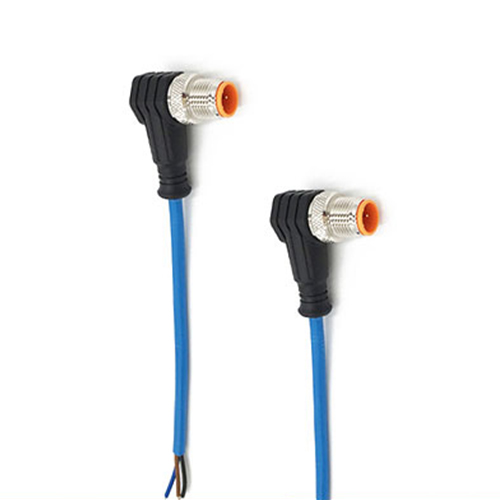
Selecting the right PNP NC proximity sensor involves several considerations. Sensing range is paramount; ensure it is appropriate for your target material and required mounting distance. The housing material, typically nickel-plated brass or stainless steel, should withstand the environmental conditions. Factor in the operating voltage range (commonly 10-30V DC) and the output current capacity to ensure compatibility with your controller's input module. Lastly, consider the electrical connection style, such as pre-wired cables or quick-disconnect plugs, for maintenance ease.
Installation and maintenance are straightforward but crucial. Ensure the sensor is mounted securely without misalignment to the target. Maintain the recommended clearance around the sensing face to avoid interference from surrounding metal. While these sensors are largely maintenance-free, periodic checks for physical damage, buildup of metallic debris on the face, and verification of the output signal are recommended to sustain long-term, reliable performance. A failing NC sensor might "stick" closed, presenting a dangerous situation where a fault is not signaled, hence regular testing is part of a robust preventive maintenance plan.
In conclusion, the PNP NC proximity sensor is more than just a switch; it is a fundamental component for designing safe, reliable, and efficient automated systems. Its Normally Closed operation provides a crucial layer of fail-safe logic, while the PNP output offers compatibility with a wide array of control systems. By understanding its operating principle and strategic applications, engineers and technicians can leverage this sensor to enhance machine safety, optimize processes, and minimize downtime. For detection tasks where safety and signal integrity are paramount, the PNP NC proximity sensor remains an indispensable and trusted solution.