check

check

check

check

check

check
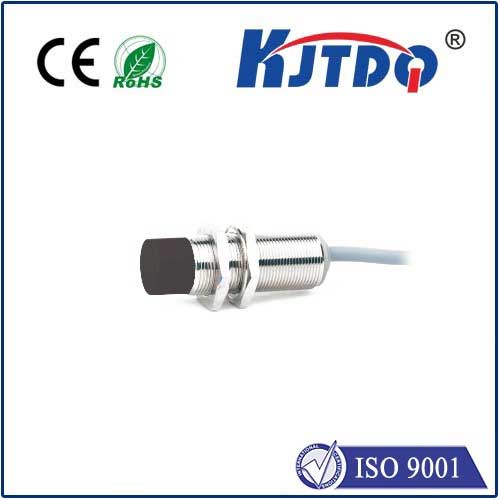
In modern industrial automation, reliable object detection is critical for ensuring operational efficiency, safety, and process control. Among the various sensing technologies available, the inductive proximity sensor stands out for its robustness and versatility in harsh environments. Specifically, the 34mm diameter inductive proximity sensor has become a preferred choice for numerous applications requiring a balance of sensing range, physical durability, and ease of installation. This article delves into the features, benefits, and typical use cases of this widely adopted industrial component.
The fundamental operating principle of an inductive proximity sensor is based on electromagnetic induction. The sensor generates an oscillating electromagnetic field from its face. When a metallic target enters this field, eddy currents are induced within the target, causing a change in the oscillation amplitude. The sensor's internal circuit detects this change and triggers a solid-state output switch. This non-contact detection method is key to the sensor's long service life, as there is no physical wear from mechanical contact. The 34mm housing size typically allows for a longer sensing range compared to smaller diameter sensors, often reaching up to 15mm or 20mm for steel targets, making it suitable for applications where the target may not be in extremely close proximity.
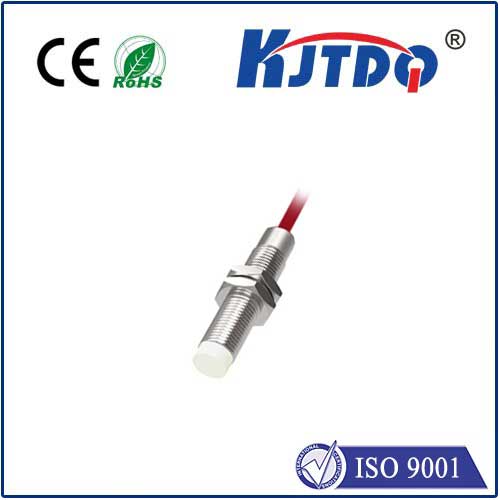
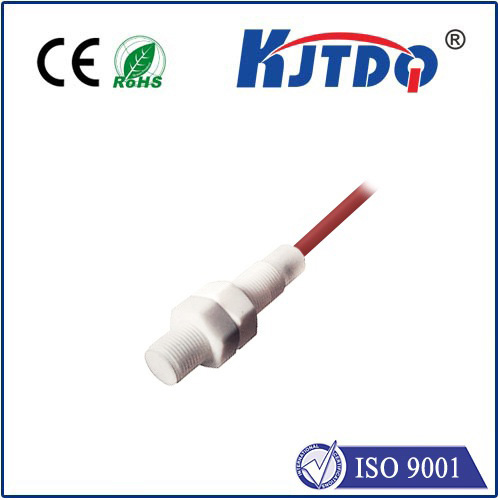
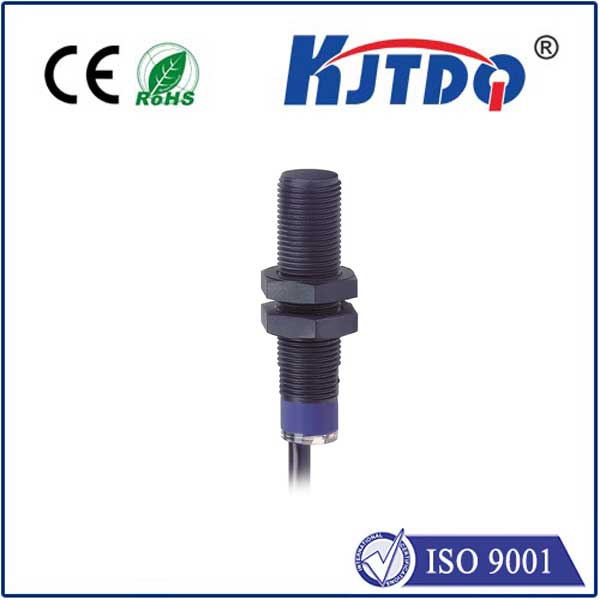
Durability is a hallmark of the 34mm inductive proximity sensor. Housed in a solid nickel-plated brass, stainless steel, or rugged PBT plastic body, these sensors are engineered to withstand the rigors of industrial settings. They offer high resistance to common challenges such as dust, dirt, oil, coolants, and even brief washdowns, often conforming to IP67 or higher ingress protection ratings. This robust construction ensures consistent performance in manufacturing plants, automotive assembly lines, material handling systems, and metalworking machinery. The larger 34mm form factor also provides ample space for robust internal components and wiring connections, contributing to overall reliability and stability.
Electrical integration is straightforward. Most 34mm inductive sensors are available in multiple output configurations, including NPN (sinking), PNP (sourcing), and NO (normally open) or NC (normally closed) modes, allowing compatibility with a wide range of programmable logic controllers (PLCs) and control systems. They typically operate on a standard DC voltage range (e.g., 10-30V DC). The inclusion of status LEDs is common, providing visual confirmation of power and output switching, which greatly simplifies troubleshooting and maintenance procedures during installation and operation.
The application spectrum for a 34mm inductive proximity sensor is broad. A primary use is position sensing, such as detecting the presence or absence of metal parts on a conveyor belt, verifying the open/closed status of a metal door or gate, or confirming the end position of a cylinder in pneumatic or hydraulic systems. They are also extensively used for counting metal objects, monitoring rotational speed by detecting gear teeth or bolts on a rotating shaft, and ensuring proper sequencing in automated machinery. Their immunity to non-metallic substances makes them ideal for detecting only the intended metal targets, reducing false triggers.
When selecting a 34mm inductive proximity sensor, several factors should be considered. The sensing distance, or "rated operating distance," must be appropriate for the application, with a safety margin to account for mechanical tolerances and temperature variations. The target material is crucial; while steel is the standard reference, the effective sensing range decreases for non-ferrous metals like aluminum, brass, or copper. The sensor's flush or non-flush mounting capability is another key specification. Flush-mounted sensors can be embedded in metal without affecting performance, whereas non-flush models offer a longer range but require a clear surrounding area. Environmental conditions like temperature extremes and potential chemical exposure should also guide the choice of housing material and sealing specifications.
Installation and maintenance are relatively simple. Ensuring a clean mounting surface and proper alignment with the target is essential for optimal performance. It is important to maintain the specified gap between the sensor face and the target during operation. Regular checks for physical damage, accumulation of metallic debris on the sensing face, and verification of the electrical connection will help maintain long-term reliability. The inherent design of these sensors means they are largely maintenance-free under normal operating conditions.
In conclusion, the 34mm diameter inductive proximity sensor represents a mature and highly effective solution for non-contact metal detection in industrial environments. Its combination of a substantial sensing range, exceptional physical durability, and straightforward integration makes it a workhorse component in automation systems worldwide. By providing accurate and reliable detection of metallic objects, it plays a fundamental role in enhancing productivity, ensuring machine safety, and maintaining the smooth flow of automated processes. For engineers and maintenance personnel seeking a dependable sensing solution, this sensor size offers a proven balance of performance and resilience.