check

check

check

check

check

check
In the world of industrial automation and smart electronics, two components stand as silent sentinels of efficiency and safety: the proximity switch and the proximity sensor. While the terms are often used interchangeably, understanding their distinct roles, working principles, and applications is crucial for engineers, technicians, and procurement specialists. This guide delves into the core of these indispensable devices, exploring how they function, where they are used, and what to consider when selecting the right one for your project.
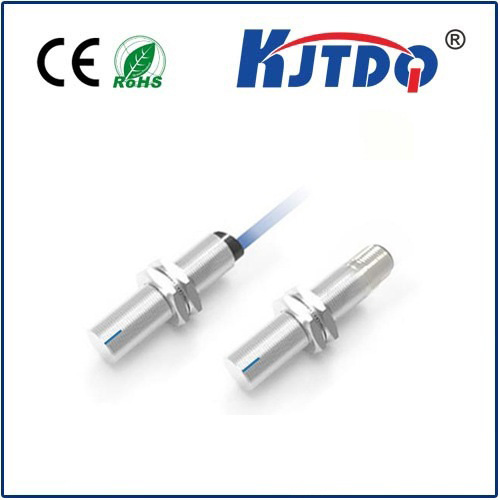
At its heart, a proximity sensor is a broad category of devices that can detect the presence or absence of a nearby object without any physical contact. It does this by emitting an electromagnetic field, beam of light, or sound waves and then looking for changes in the return signal. The key output of a sensor is typically an analog signal or a digital signal that varies with the distance to the target. This data can be fed into a control system for monitoring, measurement, or further processing.
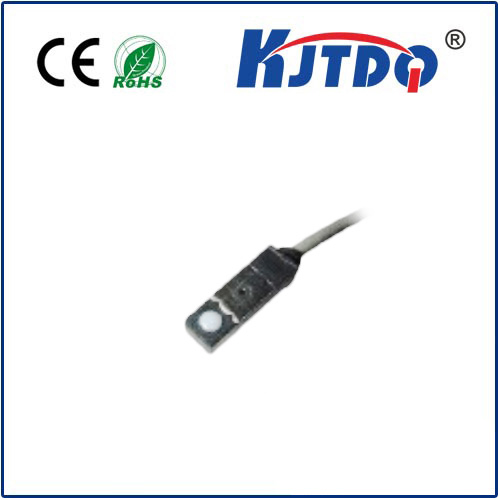
A proximity switch, on the other hand, is a specific type of proximity sensor with a binary function. Its primary job is to act as a digital on/off switch. When a target object enters its sensing range, it triggers a discrete signal—essentially a "yes" or "no" output. This signal is perfect for straightforward control tasks like counting objects on a conveyor belt, confirming a door is closed, or initiating a machine cycle. Think of the proximity switch as the actionable cousin of the sensor; it's designed for direct control actions.
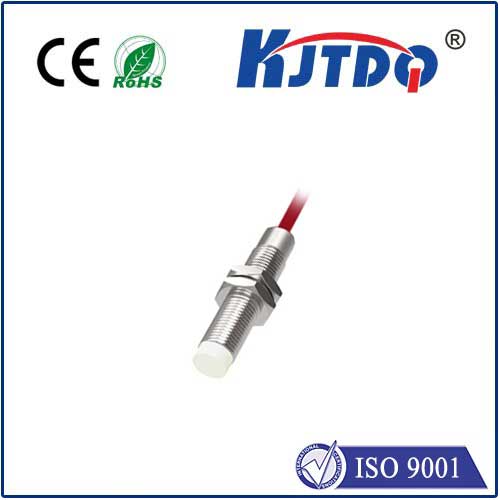
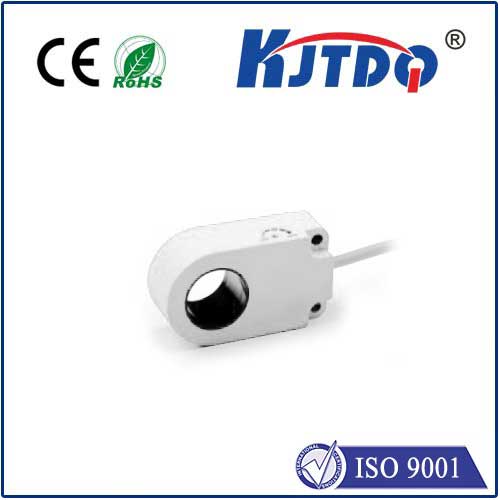
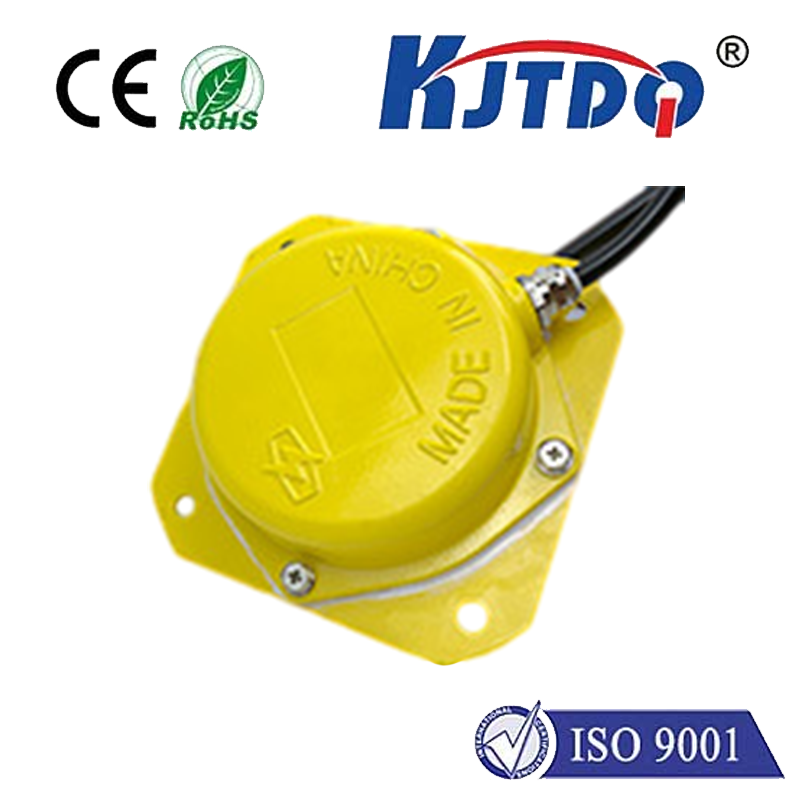
The technology behind these devices varies, offering solutions for different environments and materials. Inductive proximity sensors and switches are the most common in industrial settings. They generate an oscillating electromagnetic field and can only detect metallic objects, typically ferrous metals like steel and iron. They are incredibly robust, resistant to dirt, oil, and moisture, making them ideal for harsh factory floors.
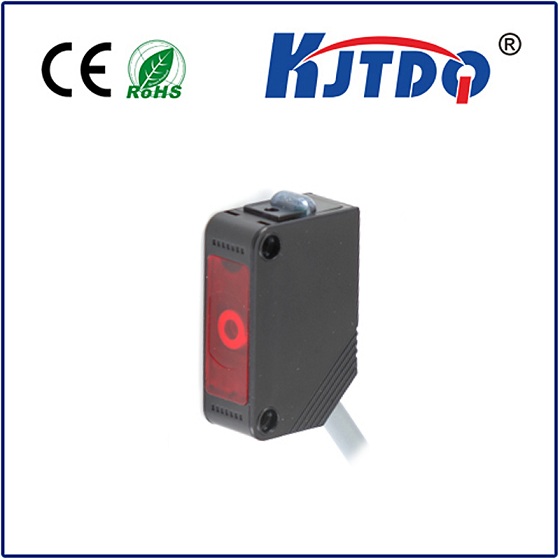
Capacitive variants can detect both metallic and non-metallic materials, including liquids, plastics, and wood. They work by sensing changes in capacitance. These are often used in level detection for tanks or detecting material through a container wall. Ultrasonic sensors use sound waves and are excellent for longer-range detection and measuring distance to objects of various materials, commonly found in parking assistance systems or bulk material level monitoring. Photoelectric sensors, which use light beams, are versatile for detecting small objects or over long distances but can be affected by environmental factors like dust or ambient light.
The applications are vast and critical. On an automated assembly line, inductive proximity switches ensure a robotic arm picks up a component only when it's precisely in position, preventing collisions and jams. In the automotive industry, they monitor the position of cylinders and gears. Capacitive sensors control the fill level of bottles in a beverage plant without touching the liquid. In consumer electronics, a miniature proximity sensor in your smartphone turns off the screen during a call to save power and prevent accidental touches.
Selecting between a proximity sensor and switch, and choosing the right technology, depends on several factors. First, identify the target material: metal, plastic, liquid? Next, consider the required sensing range. Inductive sensors have shorter ranges, while ultrasonic ones can work over meters. The operating environment is paramount—will it be exposed to extreme temperatures, washdowns, or heavy vibration? Output requirements are key: do you need a simple switch signal to stop a motor, or an analog distance reading for precise positioning? Finally, physical size and mounting constraints often dictate the final choice.
Installation and maintenance are generally straightforward. Ensuring proper alignment, a stable power supply, and a clean sensing face (free from metal chips or buildup) guarantees reliable operation. Regular checks for physical damage and output signal verification are part of a good preventive maintenance routine.
From ensuring the smooth flow of packaging lines to guaranteeing the safety of heavy machinery by confirming guard doors are shut, proximity switches and sensors are the unseen workhorses of modern industry. They provide the essential feedback that allows machines to "see" and react to their environment, enabling higher speeds, precision, and reliability. As automation and the Internet of Things (IoT) continue to evolve, the demand for smarter, more integrated, and more robust proximity detection solutions will only grow, solidifying their role as foundational components in the connected industrial landscape.