check

check

check

check

check

check
In the realm of industrial automation and precision engineering, the demand for reliable and efficient sensing solutions continues to grow. Among the various technologies available, proximity sensors stand out for their ability to detect the presence or absence of objects without physical contact. Specifically, the CNTD series of proximity sensors, particularly those featuring a rectangular form factor, have garnered significant attention for their robust performance and adaptability in diverse applications.
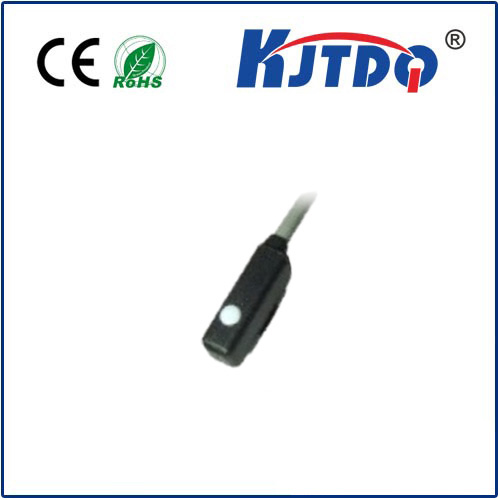
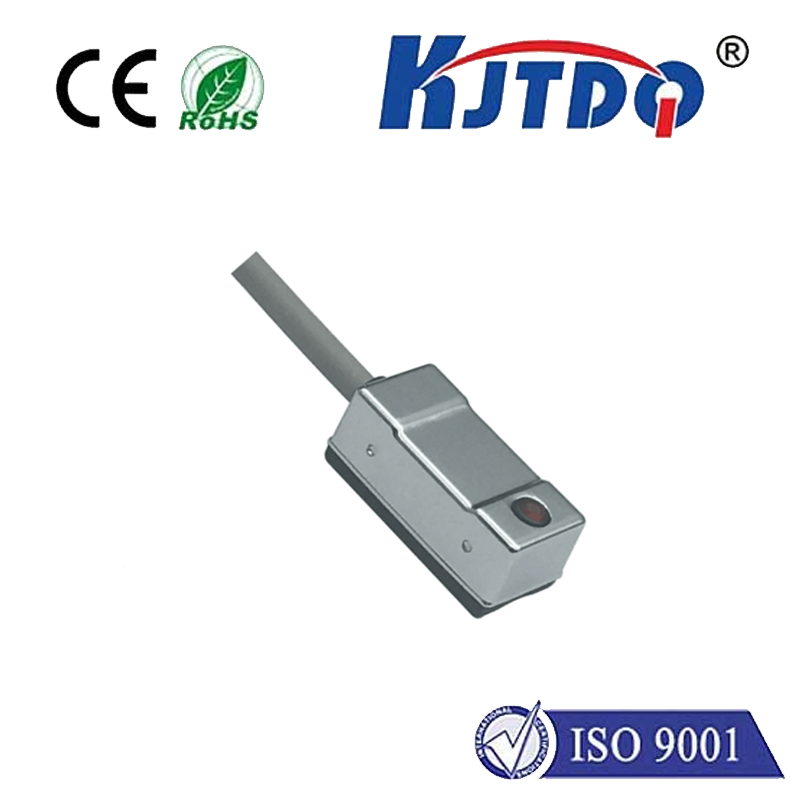
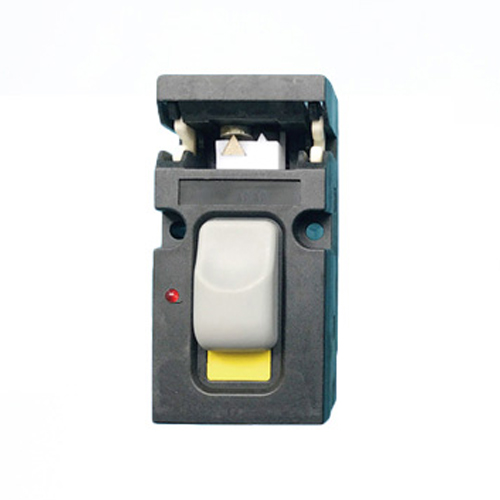
Rectangular CNTD proximity sensors are engineered to meet the rigorous demands of modern manufacturing environments. Their elongated shape allows for flexible mounting and integration into machinery where space constraints are a critical consideration. Unlike cylindrical sensors, the rectangular design often provides a larger sensing area, which can enhance detection reliability for certain target materials, such as metals or conductive substances. This geometric advantage makes them ideal for assembly lines, packaging systems, and robotic arms where consistent, non-contact detection is paramount to operational efficiency.
The operational principle behind these sensors typically involves electromagnetic or capacitive sensing technologies. Inductive variants, for instance, generate an oscillating electromagnetic field. When a metallic object enters this field, it induces eddy currents, causing a change in oscillation that the sensor detects. This mechanism ensures high accuracy and repeatability, even in challenging conditions involving dust, moisture, or temperature variations. The rectangular housing of CNTD models often incorporates durable materials like nickel-plated brass or stainless steel, offering enhanced resistance to mechanical stress and environmental factors, thereby extending the sensor's lifespan in harsh industrial settings.
One of the key benefits of the rectangular design is its versatility in mounting configurations. With multiple mounting holes or slots along its body, installers can easily secure the sensor in various orientations—horizontally, vertically, or at an angle—to optimize detection angles and ranges. This flexibility simplifies integration into existing systems, reducing downtime during installation or maintenance. Additionally, many CNTD rectangular proximity sensors come with adjustable sensing distances or built-in indicators, such as LED lights, that provide visual feedback on operational status, aiding in quick diagnostics and troubleshooting.
In practical applications, these sensors prove invaluable. For example, in automotive manufacturing, they monitor the position of components on conveyor belts, ensuring precise alignment for robotic welding or assembly. In food processing, capacitive rectangular sensors detect the presence of non-metallic materials like plastic or glass containers, facilitating automated sorting and filling processes. Their ability to operate without physical contact minimizes wear and tear, reducing maintenance costs and improving overall system reliability. Moreover, advancements in CNTD series have led to models with enhanced noise immunity and faster response times, catering to high-speed production lines where milliseconds matter.
When selecting a rectangular CNTD proximity sensor, factors such as sensing range, output type (e.g., NPN or PNP), and environmental ratings (like IP67 for dust and water resistance) should be carefully evaluated. Proper installation is also crucial; ensuring adequate clearance from other metal objects can prevent interference and false triggers. Regular calibration and testing, as per manufacturer guidelines, help maintain optimal performance over time.
As industries increasingly embrace smart manufacturing and IoT connectivity, the role of sensors like the CNTD rectangular proximity type evolves. They not only provide basic detection but can also integrate with data acquisition systems for predictive maintenance and real-time monitoring. This contributes to smarter, more efficient operations, aligning with global trends toward automation and digital transformation.
In summary, the CNTD proximity sensor in a rectangular design offers a compelling blend of durability, flexibility, and precision. Its geometric form enhances practical usability in space-limited applications, while advanced sensing technologies ensure reliable performance across diverse industrial scenarios. By understanding its features and applications, engineers and technicians can leverage these sensors to boost productivity, safety, and innovation in their operations, making them a cornerstone of modern automated systems.