check

check

check

check

check

check
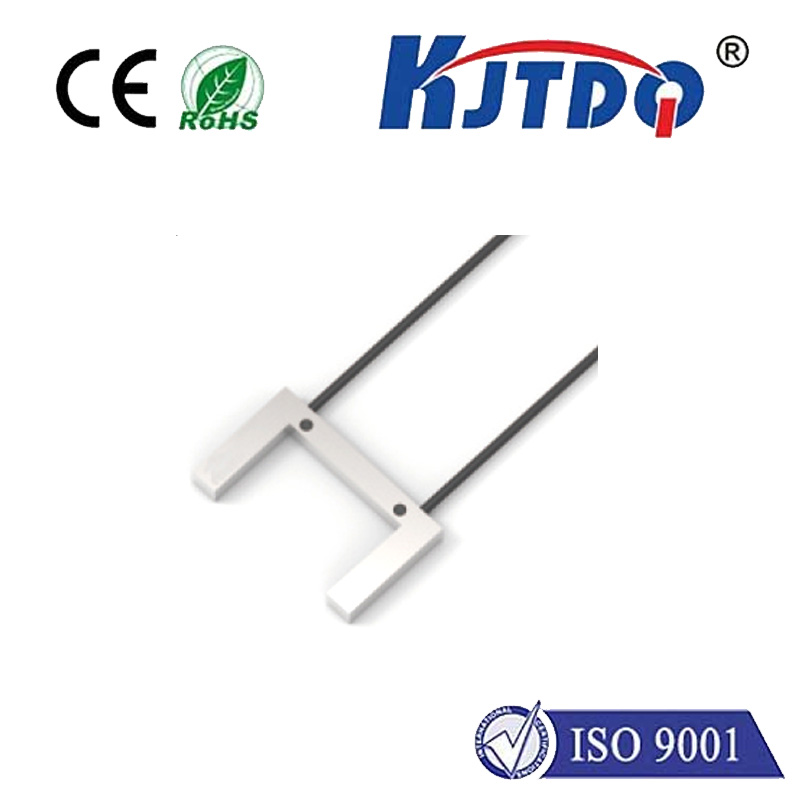
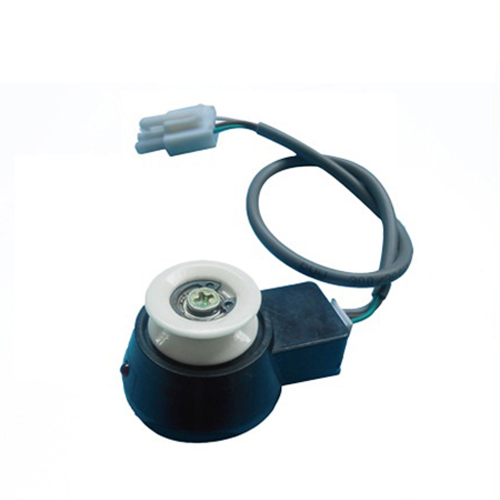
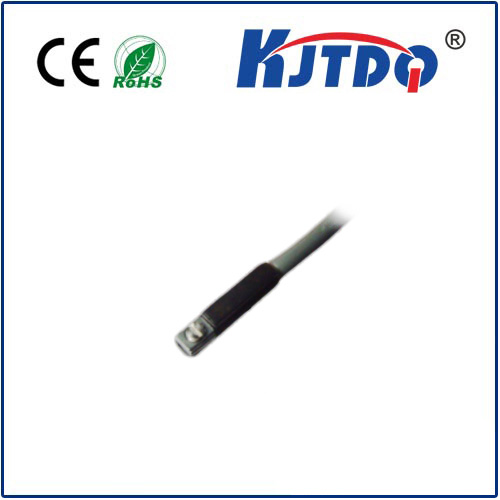
In the rapidly evolving landscape of electronic components, the small proximity sensor stands out as a critical innovation driving efficiency across industries. These compact devices detect the presence or absence of objects within a specified range without physical contact, relying on electromagnetic fields, infrared light, or ultrasonic waves. Their miniature size allows seamless integration into tight spaces, making them indispensable in applications from consumer electronics to industrial automation.
The core functionality of a small proximity sensor lies in its ability to provide accurate, real-time data. For instance, in smartphones, these sensors enable features like automatic screen dimming during calls to save battery life. In automotive systems, they contribute to safety by detecting obstacles during parking. The manufacturing sector leverages them for precise positioning on assembly lines, reducing errors and enhancing productivity. Unlike larger counterparts, small proximity sensors offer a balance of sensitivity and durability, often operating reliably in harsh environments with dust, moisture, or temperature fluctuations.
Advancements in materials and design have propelled the development of these sensors. Modern versions incorporate low-power consumption chips and enhanced signal processing, extending their lifespan and reducing maintenance needs. The integration with IoT (Internet of Things) platforms further amplifies their utility, enabling smart devices to communicate and respond dynamically. For example, in smart homes, small proximity sensors can trigger lighting or security systems based on movement, improving energy efficiency and safety.
Despite their benefits, challenges persist. Engineers must consider factors like detection range, response time, and interference from external sources when selecting a sensor. Calibration is crucial to ensure accuracy, especially in high-precision tasks. However, ongoing research focuses on overcoming these hurdles, with trends pointing toward even smaller, more adaptive sensors powered by AI algorithms for predictive analytics.
In summary, the small proximity sensor represents a cornerstone of modern engineering, bridging the gap between digital and physical worlds. Its versatility and reliability make it a key component in advancing technology, from everyday gadgets to complex industrial machinery. As innovation continues, these sensors will likely play an even greater role in shaping a connected, automated future.