check

check

check

check

check

check
In the world of industrial automation and precision engineering, the demand for reliable, space-saving, and high-performance components is relentless. Among these critical components, the proximity sensor stands as a silent sentinel, enabling machines to "see" and react without physical contact. When the design calls for a compact yet robust solution, the M12 form factor emerges as a dominant standard. This guide delves into the specifics of the Proximity Sensor M12, exploring its technology, applications, and key selection criteria, positioning it as an indispensable tool for modern automation.
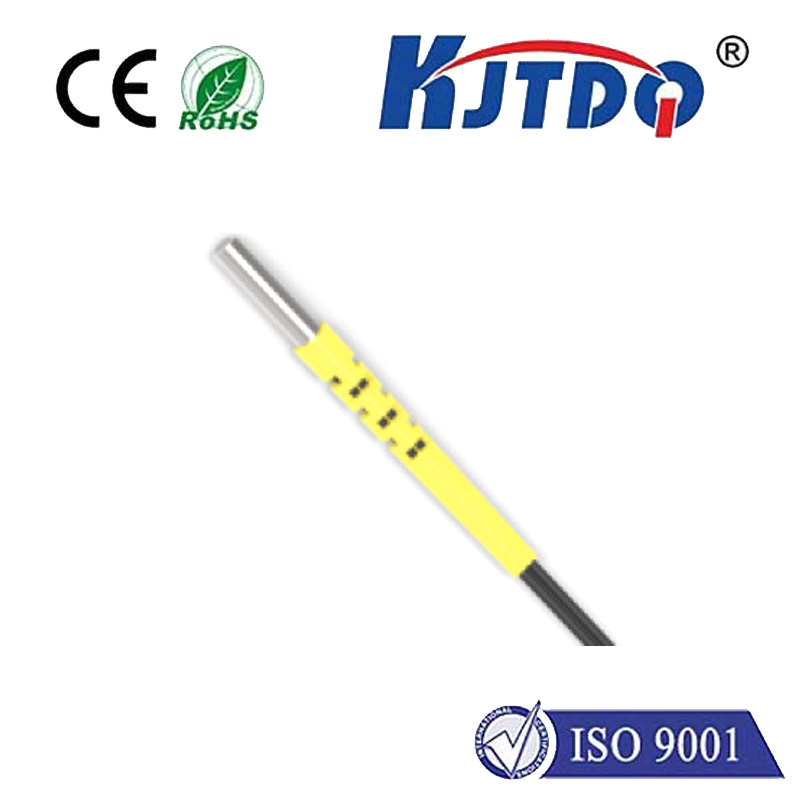
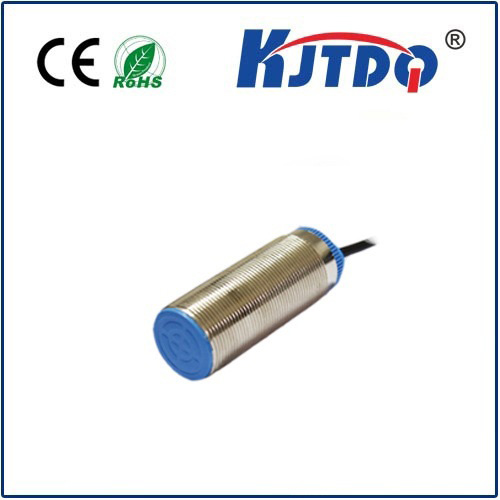
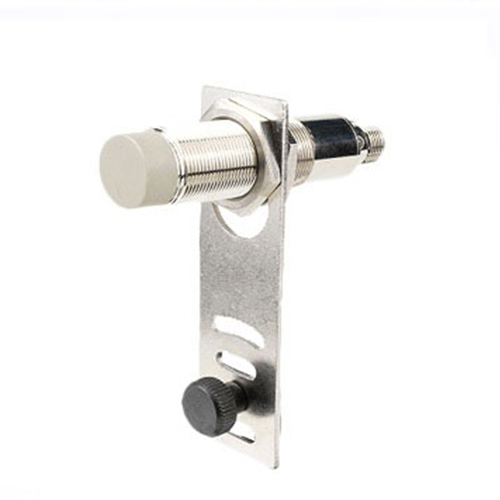
The term "M12" refers to the standardized 12-millimeter threaded cylindrical housing and the corresponding electrical connector. This compact size is a significant advantage in today's machinery, where real estate is at a premium. Despite its small footprint, an M12 proximity sensor packs substantial capability. These sensors are primarily non-contact devices that detect the presence or absence of a target object within their sensing range. They operate on various principles, with inductive and capacitive being the most common for the M12 size.
Inductive M12 proximity sensors are the workhorses for detecting metallic objects. They generate an electromagnetic field. When a metal target enters this field, it causes a change in the oscillation amplitude, which the sensor's circuitry detects, triggering a solid-state output switch. They are incredibly reliable, resistant to environmental contaminants like dust, oil, and coolant, and offer long operational life with no moving parts. Typical sensing distances for inductive M12 sensors range from 2mm to 8mm, depending on the target material and sensor design.
Capacitive M12 sensors, on the other hand, can detect both metallic and non-metallic materials—liquids, plastics, wood, or glass. They function by measuring changes in capacitance between the sensor's face and the target. This makes them ideal for applications like level detection in tanks (for liquids or granular materials), or detecting the presence of a plastic bottle on a conveyor line. Their sensing range is generally similar to inductive models but can be influenced by the dielectric constant of the target material.
The benefits of opting for an M12 proximity sensor are clear. Their standardized design ensures easy installation and replacement across different manufacturers, reducing downtime. The threaded barrel allows for simple mounting in a drilled hole with a locknut. The integrated connector (typically 3-wire or 4-wire) provides a quick, secure, and vibration-resistant connection. Furthermore, many M12 sensors feature built-in LED status indicators for diagnostic purposes, showing power and output state at a glance.
In practical applications, M12 proximity sensors are ubiquitous. On a high-speed packaging line, they count products, verify cap placement on bottles, or detect the position of a robotic arm. In CNC machining centers, they serve as precise tool setting probes or part presence verifiers. Within automotive assembly, they ensure components are correctly positioned before a welding operation. Their environmental sealing, often rated at IP67 or higher, allows them to perform reliably in washdown conditions or outdoor settings.
Selecting the right M12 proximity sensor requires careful consideration of several parameters. First, identify the target material to choose between inductive or capacitive technology. Next, determine the required sensing distance, always consulting the sensor's datasheet for the exact specification, as it varies with target size and material. The output type is crucial: PNP (sourcing) or NPN (sinking) transistor outputs must match the input card of your PLC or controller. Supply voltage compatibility (commonly 10-30V DC) and output current rating are also essential. Finally, consider the housing material; stainless steel versions offer superior corrosion resistance for harsh environments.
Installation is straightforward but demands attention to detail. Ensure the sensor is mounted securely to prevent vibration-induced failure. For inductive sensors, maintain clearance from surrounding metal (the manufacturer's recommended lateral and frontal distances) to prevent false triggering. For capacitive sensors, be mindful of environmental factors like humidity or material buildup on the face, which can affect performance; some models feature sensitivity adjustment potentiometers to compensate for this.
The evolution of M12 sensors continues. Modern variants include analog output models for distance measurement, high-temperature versions for foundries or ovens, and even IO-Link enabled sensors. IO-Link transforms a simple binary sensor into an intelligent device, allowing for parameter setting, advanced diagnostics, and process data transmission over the standard 3-wire cable, paving the way for Industry 4.0 predictive maintenance strategies.
In conclusion, the Proximity Sensor M12 is far more than just a small component. It is a testament to engineered efficiency, delivering robust, reliable sensing in a minimal package. Its standardization drives interoperability, while ongoing technological enhancements ensure it meets the evolving demands of smart factories. For engineers and system integrators designing compact, efficient, and future-proof automation systems, understanding and specifying the correct M12 proximity sensor is a fundamental step toward achieving optimal machine performance and reliability.