check

check

check

check

check

check
In industrial automation and machinery control, achieving reliable long range detection has always been a significant challenge. Traditional sensors often fall short when distances exceed a few hundred millimeters, leading to system inefficiencies and safety concerns. The introduction of the Inductive Proximity Sensor with a remarkable 5000mm sensing range marks a pivotal advancement, offering a robust solution for applications demanding exceptional reach and unwavering reliability.
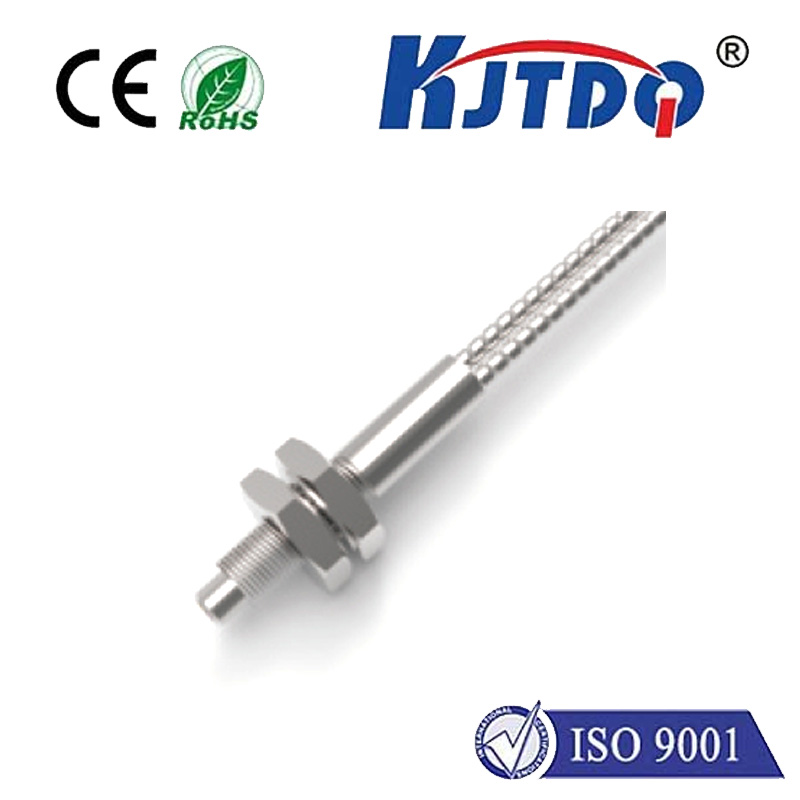
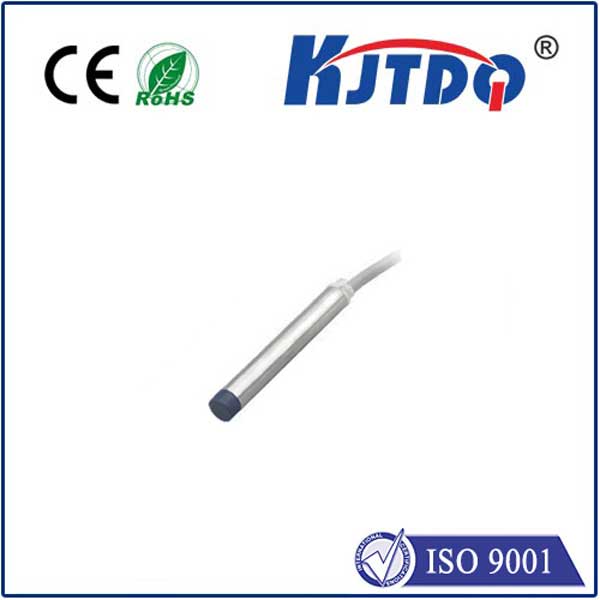
This groundbreaking sensor operates on the fundamental principle of electromagnetic induction. It generates a high-frequency oscillating electromagnetic field from its active face. When a metallic target enters this field, eddy currents are induced within the target. These currents absorb energy from the sensor's oscillator, causing a change in its amplitude. The sensor's sophisticated circuitry detects this precise change, triggering a solid-state switch output. What sets the 5000mm variant apart is its optimized coil design, enhanced signal processing algorithms, and powerful oscillator circuit, all engineered to maintain a stable and sensitive field over an extended distance, far surpassing conventional models.
The capabilities of a 5000mm inductive proximity sensor unlock possibilities across diverse and demanding sectors. In large-scale material handling, such as ports and logistics centers, it enables precise position monitoring of shipping containers, cranes, and automated guided vehicles (AGVs) over vast areas, ensuring smooth operation and collision avoidance. Within the forestry and mining industries, it is instrumental in monitoring the position of heavy machinery arms, conveyor belt endpoints, and stockpile levels, enhancing safety and operational oversight. For automated storage and retrieval systems (AS/RS) in warehouses, this sensor provides accurate long-distance detection of rack positions and shuttle locations, optimizing inventory management. Furthermore, in heavy manufacturing and steel plants, it can reliably detect the presence and position of large metal structures, castings, or vehicles in challenging environments where other sensors would fail.
Deploying such a long-range sensor brings transformative benefits. The primary advantage is the drastic extension of operational range, allowing for the monitoring of processes previously impossible with standard inductive sensors. This reduces the need for multiple sensor installations, simplifying system architecture and lowering overall costs. Despite its long range, modern versions offer impressive precision, with minimal hysteresis and excellent repeatability, ensuring consistent performance. Built to industrial standards, these sensors typically feature robust housing materials like stainless steel or nickel-plated brass, offering high resistance to shock, vibration, moisture, and harsh chemicals. Their non-contact nature eliminates mechanical wear and tear, guaranteeing a long service life with minimal maintenance.
When selecting a 5000mm inductive proximity sensor, several technical specifications are paramount. The sensing range, clearly defined as 5000mm, is typically specified for a standard mild steel target. It is crucial to note that the actual sensing distance can vary with different target materials, sizes, and shapes; ferrous metals like iron and steel provide the longest range, while non-ferrous metals like aluminum or copper may reduce it. The sensor's output type, whether NPN, PNP, analog, or IO-Link, must be compatible with the control system. Environmental protection ratings, such as IP67 or IP69K, are essential for operation in dusty or wet conditions. Additionally, factors like operating temperature range, supply voltage, and response time should be carefully evaluated against the application's specific demands.
To ensure optimal performance from a long-range inductive proximity sensor, proper installation is critical. The sensor should be mounted securely to prevent any movement that could affect readings. It is vital to maintain a clear, unobstructed path between the sensor face and the intended target. Potential interference from other strong electromagnetic sources, large masses of metal in the background, or adjacent sensors should be considered and mitigated through adequate spacing or shielding. Regular checks for accumulation of debris or metallic dust on the sensor face will maintain its sensitivity and accuracy over time.
The evolution towards the 5000mm inductive proximity sensor represents a significant leap in sensing technology, directly addressing the growing needs of large-scale and sophisticated industrial automation. By providing reliable, long-distance detection of metallic objects, it enhances system safety, optimizes processes, and enables new levels of automation efficiency. For engineers and system integrators facing challenges with range limitations, this sensor stands as a powerful and dependable tool, paving the way for smarter and more expansive industrial operations.