check

check

check

check

check

check
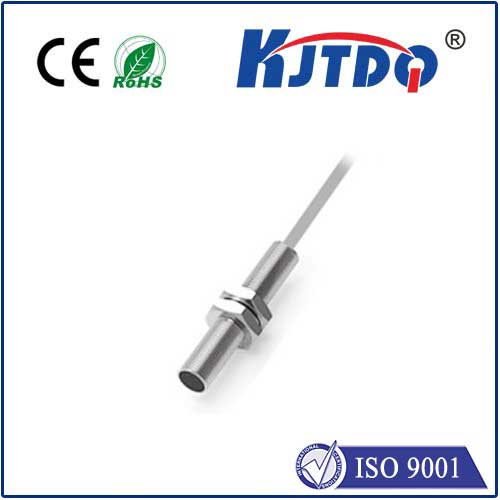
In the rapidly evolving landscape of industrial automation and consumer electronics, the demand for reliable, non-contact detection solutions has never been greater. Among the array of sensing technologies available, the proximity magnetic sensor stands out for its unique combination of durability, precision, and versatility. This technology, particularly exemplified by solutions like the KJTDQ series, is quietly revolutionizing how machines interact with their environment, enabling smarter, safer, and more efficient operations across countless applications.
At its core, a proximity magnetic sensor operates by detecting changes in a magnetic field. Unlike optical or capacitive sensors, it is fundamentally immune to common environmental interferents such as dust, oil, fog, or ambient light. This inherent robustness makes it an ideal choice for harsh industrial settings—from automotive assembly lines and metalworking shops to food processing plants and outdoor machinery. The sensor typically consists of a permanent magnet and a sensing element, such as a Hall-effect IC or a magnetoresistive element. When a ferromagnetic target, like a gear tooth or a metal flag, approaches the sensor, it disturbs the magnetic field. This disturbance is precisely measured and converted into a clear electrical signal, indicating the object's presence or absence without any physical contact.
The advantages of this non-contact principle are manifold. First and foremost is exceptional longevity. With no moving parts to wear out and no need for physical interaction, these sensors offer virtually limitless operational life, drastically reducing maintenance costs and downtime. Secondly, they provide high-speed response and repeatability, capable of detecting objects at frequencies critical for modern high-speed automation and precise positional control. Furthermore, their ability to function reliably in contaminated or wet environments, where other sensor types might fail, unlocks applications previously deemed too challenging.
The integration of advanced proximity magnetic sensors, such as the KJTDQ models, brings tangible benefits to specific sectors. In the automotive industry, they are indispensable for anti-lock braking systems (ABS), measuring wheel speed with unwavering accuracy regardless of road grime or weather. In robotics, they provide end-of-arm tooling with precise feedback for object handling and assembly, ensuring delicate operations are performed correctly. Within consumer electronics, they enable features like laptop lid-open/close detection or smartphone flip covers, enhancing user experience through seamless, invisible automation. Even in renewable energy, these sensors monitor the position of blades in wind turbines or the alignment in solar tracking systems, contributing to optimal energy harvest.
When selecting a proximity magnetic sensor for a project, several key parameters require careful consideration. Sensing distance, or the range at which the target can be reliably detected, must match the application's mechanical constraints. The choice of output type—whether a simple digital switch (PNP/NPN), analog voltage/current, or a sophisticated IO-Link digital signal—depends on the required interface with the control system. Environmental ratings, particularly Ingress Protection (IP) codes for dust and water resistance and temperature operating ranges, are critical for ensuring reliability in the intended installation environment. The physical housing material, often stainless steel or nickel-plated brass, must also withstand chemical exposure and mechanical stress.
Looking ahead, the future of proximity magnetic sensing is intertwined with the growth of the Industrial Internet of Things (IIoT) and Industry 4.0. Modern sensors like the KJTDQ are evolving beyond simple detection devices into intelligent network nodes. They can now provide not just a binary signal but also diagnostic data about their own health and performance, enabling predictive maintenance strategies. This shift from reactive to proactive asset management minimizes unplanned stoppages and optimizes overall equipment effectiveness (OEE). As miniaturization continues and power consumption drops, these sensors will find new roles in portable medical devices, advanced wearables, and micro-automation systems.
In conclusion, the proximity magnetic sensor represents a cornerstone of modern electromechanical design. Its principle of magnetic field sensing delivers an unmatched blend of reliability, speed, and environmental immunity. Solutions like the KJTDQ series embody this technological excellence, providing engineers and designers with a trusted component to build more intelligent and resilient systems. As automation permeates deeper into every facet of industry and daily life, the silent, steadfast operation of these sensors will remain a fundamental enabler of progress, precision, and innovation.