check

check

check

check

check

check
In industrial settings where flammable gases, vapors, or combustible dusts are present, safety is not just a priority—it is an absolute necessity. Traditional electronic equipment can become a source of ignition, leading to catastrophic events. This is where the specialized technology of explosion proof proximity sensors becomes critical. These devices are engineered to detect the presence or absence of an object without physical contact, all while containing any potential spark or thermal effect within their rugged housing to prevent ignition of the surrounding hazardous atmosphere.
The core principle behind an explosion proof design, such as that found in the KJTDQ series, is containment. The sensor's enclosure is constructed to withstand an internal explosion of specific gases or dusts and to prevent the transmission of the explosion to the external atmosphere. This is achieved through robust materials like stainless steel or heavy-duty aluminum alloys, with precisely machined flame paths at the joints. These paths cool any escaping gases below the ignition temperature of the external environment. It's a fundamental difference from simply being "sealed"; it's about engineering a failsafe barrier against disaster.
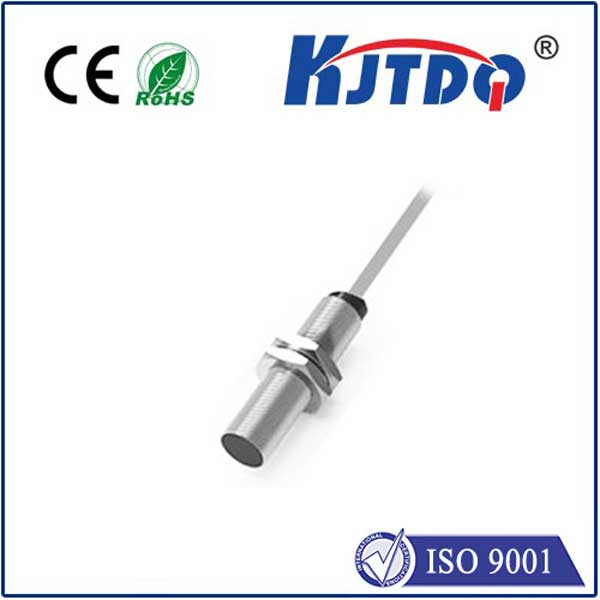
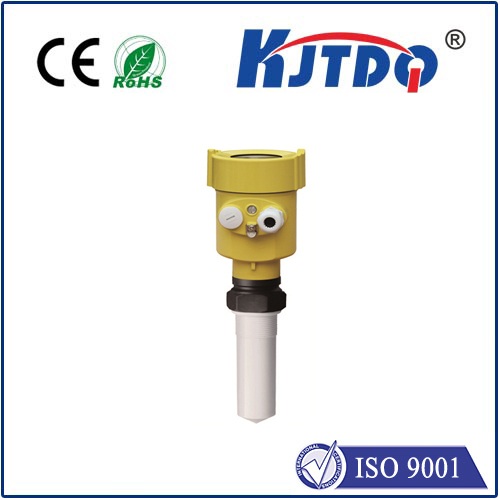
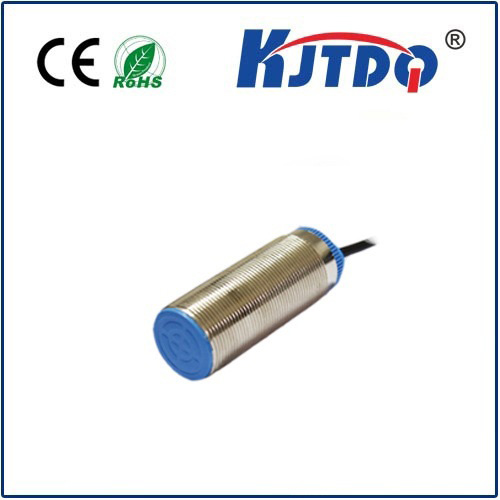
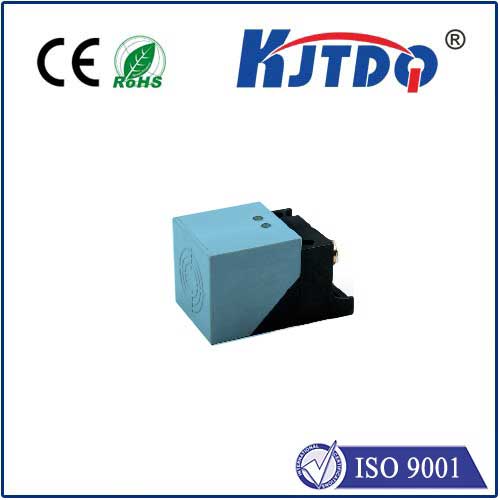
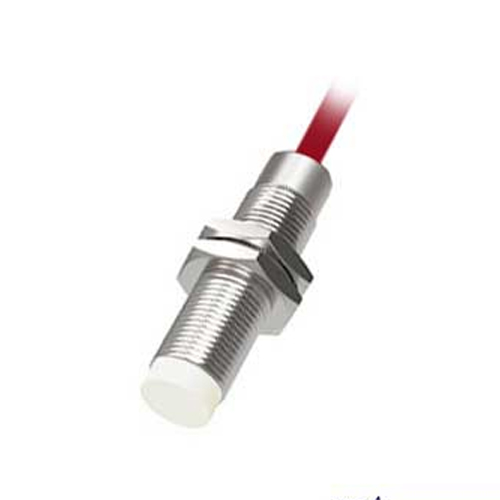
Proximity sensors themselves operate on various principles, including inductive, capacitive, and magnetic sensing. Inductive sensors, commonly used for metal detection, are prevalent in explosion proof configurations. The KJTDQ explosion proof inductive proximity sensor, for instance, generates an electromagnetic field. When a metallic target enters this field, it causes a change in oscillation amplitude, which the sensor detects. The entire electronic circuit producing this field is housed within the explosion proof chamber. This allows for reliable detection of machinery position, part counting, or speed monitoring in areas classified as hazardous, such as petrochemical plants, grain silos, pharmaceutical manufacturing, or paint spray booths.
Selecting the right explosion proof proximity sensor involves several key considerations beyond the basic detection function. The environmental classification is paramount. Installations must adhere to standards like ATEX in Europe, IECEx internationally, or NEC in North America, which define Zones (for gases) or Divisions (for dusts) based on the probability and duration of a hazardous atmosphere. A sensor rated for Zone 1/21, for example, is suitable for an area where an explosive atmosphere is likely to occur occasionally during normal operation. The KJTDQ series is typically designed to meet these rigorous international standards, providing global compliance assurance.
Other crucial specifications include the sensing range, which must be precise and stable despite environmental challenges; the output type (PNP/NPN analog or digital); and the electrical connection, often requiring certified cable glands or conduit entries to maintain the integrity of the explosion proof seal. Durability factors like IP (Ingress Protection) rating against dust and water, temperature range tolerance, and resistance to vibration and shock are also significantly enhanced in these specialized units compared to their standard counterparts.
The implementation of explosion proof proximity sensors like the KJTDQ model brings transformative benefits. Primarily, they enable automation and process control in areas previously deemed too risky for standard electronics, enhancing operational efficiency without compromising safety. They reduce the need for manual checks in dangerous zones, protecting personnel. Furthermore, their high reliability minimizes unplanned downtime caused by sensor failure, which in hazardous environments can lead to extensive safety shutdown procedures. By providing accurate, non-contact detection, they help prevent mechanical damage and improve the overall safety integrity level (SIL) of the system.
Maintenance of these sensors, while infrequent due to their rugged build, must be performed with care. Any disassembly or reassembly must ensure that the flame path surfaces are not damaged or contaminated. Only original manufacturer parts should be used for seals or gaskets. Proper installation by qualified personnel, following the certification guidelines and the manufacturer's instructions for torque settings on enclosures and cable glands, is essential to preserve the explosion proof rating.
In conclusion, the explosion proof proximity sensor represents a critical fusion of sensing technology and safety engineering. Products like the KJTDQ series are not merely components but vital safeguards. They allow industry to push the boundaries of productivity in challenging environments by providing a reliable, certified solution for object detection. By understanding their principle, selection criteria, and proper application, engineers and safety managers can build more resilient, efficient, and fundamentally safer industrial operations, ensuring that progress never comes at the cost of protection.