check

check

check

check

check

check
In the world of industrial automation, precision and reliability are non-negotiable. The XS618B1MAU20 Schneider Proximity Sensor stands as a testament to this principle, offering a robust solution for countless applications. This comprehensive guide delves into the features, benefits, and real-world uses of this advanced sensor, providing valuable insights for engineers and procurement specialists.
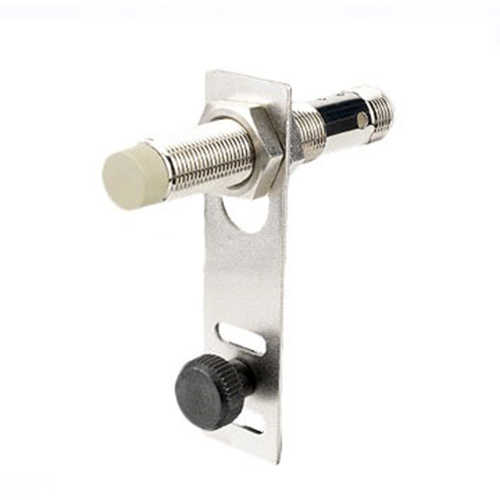
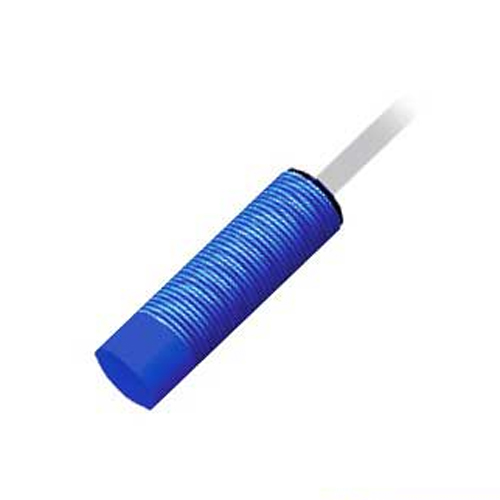
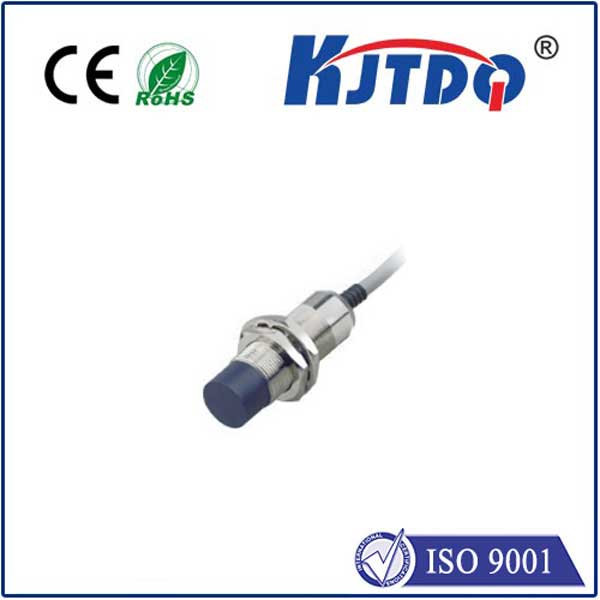
The XS618B1MAU20 is a key component in Schneider Electric's extensive portfolio of automation products. Designed for durability and accuracy, this inductive proximity sensor excels in detecting metallic objects without physical contact. Its M18 cylindrical housing ensures easy installation and compatibility with standard mounting systems, making it a versatile choice for various industrial environments. One of its standout features is the 2-wire DC configuration, which simplifies wiring and reduces installation time. The sensor operates on a voltage range of 10-30V DC, catering to most common control systems. With a sensing distance of 8mm, it provides a reliable detection zone for small to medium-sized metallic targets.
Performance under harsh conditions is where the XS618B1MAU20 truly shines. Built to withstand industrial challenges, it boasts an IP67 protection rating, making it resistant to dust and temporary immersion in water. This resilience ensures consistent operation in manufacturing plants, packaging lines, and material handling systems where exposure to contaminants is common. The sensor's temperature range from -25°C to 70°C further enhances its adaptability to diverse climatic and operational conditions. Additionally, its short-circuit and reverse polarity protection safeguards both the sensor and connected equipment from accidental electrical faults, minimizing downtime and maintenance costs.
Integrating the XS618B1MAU20 into automation systems enhances efficiency and safety. In conveyor belt applications, it accurately detects the presence of metal components, triggering subsequent actions like sorting, counting, or quality control checks. In robotic assembly lines, it ensures precise positioning of parts, contributing to higher production accuracy. The sensor's fast switching frequency allows it to keep pace with high-speed processes, making it ideal for modern, fast-paced manufacturing environments. Its LED status indicator provides immediate visual feedback on operational state, aiding in quick troubleshooting and reducing diagnostic time.
Choosing the right proximity sensor involves considering several factors, and the XS618B1MAU20 addresses many common requirements. Its compatibility with PLCs and other control devices from various manufacturers ensures seamless integration into existing setups. For industries prioritizing energy efficiency, the sensor's low power consumption is a significant advantage, contributing to reduced operational costs over time. Furthermore, Schneider Electric's global support network ensures access to technical assistance and spare parts, providing peace of mind for long-term deployments.
Real-world case studies highlight the sensor's impact. In an automotive manufacturing plant, implementing the XS618B1MAU20 for robotic weld gun positioning reduced misalignment incidents by 30%, improving product quality. A food processing facility used these sensors to monitor metal packaging lines, achieving a 99.8% detection accuracy and minimizing production waste. These examples underscore the sensor's role in optimizing processes and enhancing overall operational reliability.
Maintenance of the XS618B1MAU20 is straightforward, thanks to its rugged design and self-diagnostic capabilities. Regular checks for physical damage and cleanliness are usually sufficient to ensure prolonged service life. Avoiding exposure to extreme chemicals and ensuring proper voltage supply are simple yet effective practices to maximize performance. For optimal results, follow installation guidelines regarding mounting distances and environmental considerations to prevent false triggers or reduced sensitivity.
As industries continue to embrace Industry 4.0 and smart manufacturing, the demand for reliable sensors like the XS618B1MAU20 will only grow. Its ability to provide accurate data for automated systems makes it a cornerstone of modern industrial infrastructure. Whether upgrading existing equipment or designing new automation solutions, incorporating this sensor can lead to significant improvements in productivity and cost-efficiency.
In conclusion, the XS618B1MAU20 Schneider Proximity Sensor represents a blend of innovation and practicality. Its robust construction, precise detection capabilities, and ease of integration make it a valuable asset for any industrial automation project. By understanding its features and applications, professionals can make informed decisions that drive operational excellence and support sustainable industrial growth.