check

check

check

check

check

check
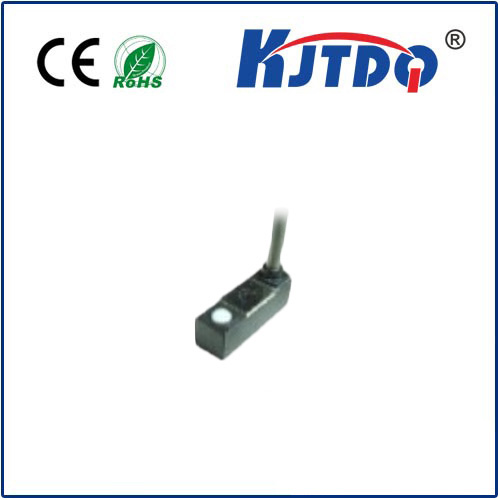
In the intricate world of modern electronics, where devices are shrinking yet becoming exponentially smarter, a silent sentinel operates tirelessly. The proximity sensor micro, a marvel of miniaturized engineering, is this unseen guardian. Far from being a simple component, it is a sophisticated system that detects the presence or absence of nearby objects without any physical contact, fundamentally shaping our interaction with technology.
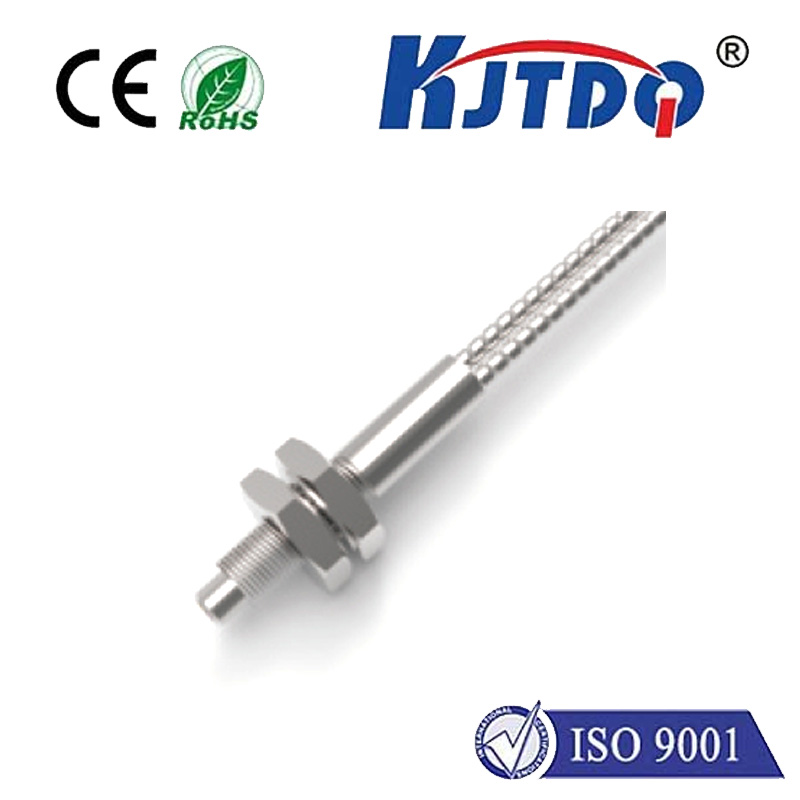
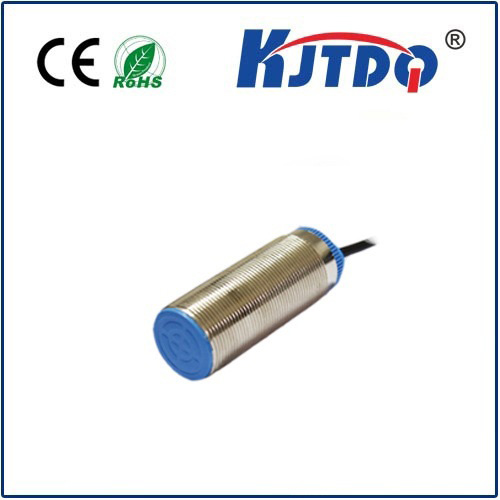
At its core, a micro proximity sensor works on various principles, with inductive, capacitive, and optical being the most prevalent. Inductive sensors detect metallic objects by generating an electromagnetic field. Capacitive sensors, on the other hand, can sense both metallic and non-metallic materials like plastic or human skin by measuring changes in capacitance. Optical variants use infrared light to detect interruptions in a beam. The "micro" designation signifies a relentless drive toward miniaturization, packing this advanced sensing capability into packages sometimes smaller than a grain of rice. This allows for seamless integration into the most space-constrained applications without compromising performance.
The applications of these tiny sensors are vast and integral to daily life. In your smartphone, a proximity sensor micro detects when the phone is held to your ear during a call, automatically turning off the display to save power and prevent accidental screen touches. In modern automotive systems, they are embedded in doors and trunks for touchless opening, and in advanced driver-assistance systems (ADAS) to monitor the driver's presence and attentiveness. Industrial automation relies heavily on them for precise object detection on assembly lines, robotic positioning, and safety interlocks, ensuring both efficiency and worker protection. Furthermore, they are finding new roles in smart home devices, medical equipment, and wearable technology, enabling intuitive and hygienic touch-free controls.
The advantages of implementing a proximity sensor micro are multifaceted. Firstly, they offer unparalleled reliability and longevity due to their non-contact nature, eliminating mechanical wear and tear. This leads to reduced maintenance needs and higher system uptime. Secondly, they enable faster response times compared to mechanical switches, which is critical in high-speed automation and safety-critical applications. Thirdly, their ability to function in harsh environments—resistant to dust, moisture, and vibrations—makes them indispensable in industrial settings. Finally, their miniaturization drives innovation, allowing designers to create sleeker, more compact, and more feature-rich products.
However, selecting and integrating the right proximity sensor micro requires careful consideration. Engineers must evaluate the sensing range, the type of target material, the required response speed, environmental conditions (like temperature and potential contaminants), and the available power budget. Proper shielding and calibration are also crucial to avoid false triggers from electromagnetic interference or environmental noise. The choice between analog and digital output types further tailors the sensor to the specific needs of the control system.
Looking ahead, the evolution of the proximity sensor micro is intertwined with trends like the Internet of Things (IoT) and Artificial Intelligence (AI). Future sensors will likely be even smaller, more energy-efficient, and smarter, with embedded processing capabilities to provide filtered and analyzed data directly. They will form a more intelligent sensory network within devices, enabling more contextual and predictive interactions. Imagine appliances that anticipate your approach or industrial machines that self-optimize based on real-time proximity data.
In conclusion, the proximity sensor micro is a foundational technology that operates behind the scenes, making our devices more intuitive, efficient, and safe. Its role as an invisible guardian is pivotal in the ongoing miniaturization and intelligence of electronics. From the smartphone in your pocket to the automated factories shaping our world, this micro-component proves that the most significant impacts often come from the smallest of innovations, silently sensing and enabling the future of technology.