check

check

check

check

check

check
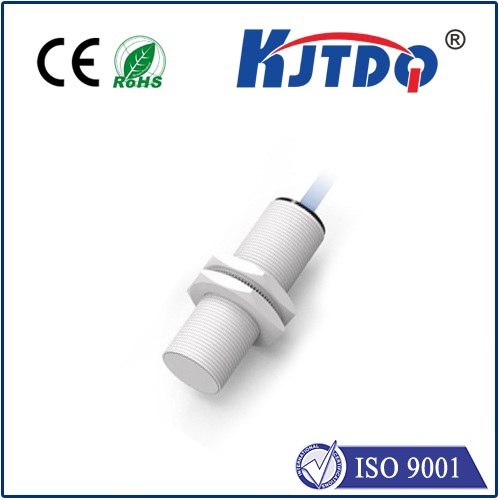
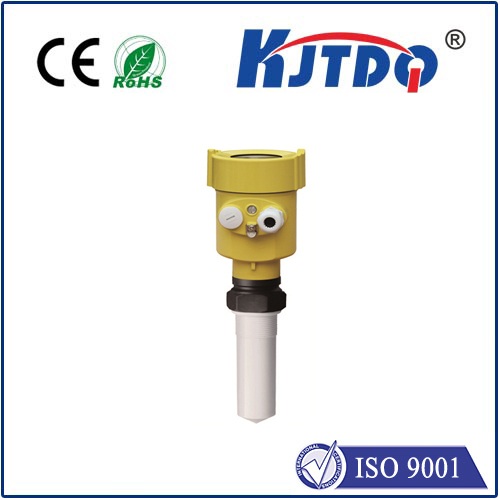
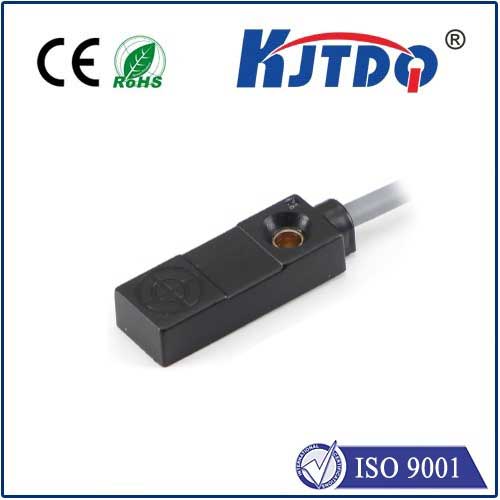
In the world of industrial automation and heavy machinery, precision and reliability are non-negotiable. The hydraulic proximity position sensor stands as a critical component in this ecosystem, ensuring seamless operation and control. This device is engineered to detect the presence or position of a target within a specified range without any physical contact, making it indispensable in harsh environments where dust, vibration, and fluid exposure are common.
Unlike traditional mechanical switches, hydraulic proximity sensors operate on principles such as inductive, capacitive, or magnetic sensing. When integrated into hydraulic systems, they monitor the linear or angular position of pistons, valves, or rods. For instance, in a hydraulic cylinder, the sensor can precisely determine the piston's extension or retraction point. This data is crucial for feedback control loops, enabling machinery to perform complex sequences with high repeatability. The absence of physical contact eliminates wear and tear, significantly extending the sensor's service life and reducing maintenance downtime.
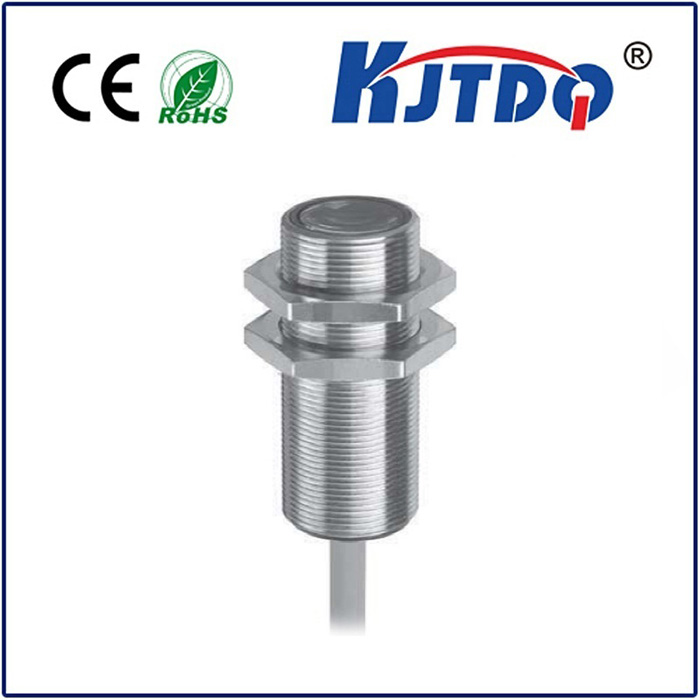
The applications of these sensors are vast and varied. In mobile hydraulics, such as excavators and cranes, they ensure precise boom and arm movements, enhancing safety and operational efficiency. In industrial manufacturing, they are pivotal in injection molding machines and presses, where accurate positioning directly impacts product quality and cycle times. The robust construction of these sensors, often featuring stainless steel housings and high-pressure ratings, allows them to withstand extreme conditions, including temperature fluctuations and exposure to hydraulic fluids.
Selecting the right hydraulic proximity position sensor requires careful consideration of several parameters. The sensing range, or the maximum distance at which the sensor can reliably detect a target, is primary. Output type is another key factor; common options include analog (4-20mA or 0-10V) for continuous position feedback, or digital (PNP/NPN) for simple on/off switching. Environmental ratings, such as IP67 or IP69K for water and dust ingress protection, are essential for durability. Furthermore, compatibility with the hydraulic fluid's chemical composition and operating pressure range must be verified to prevent premature failure.
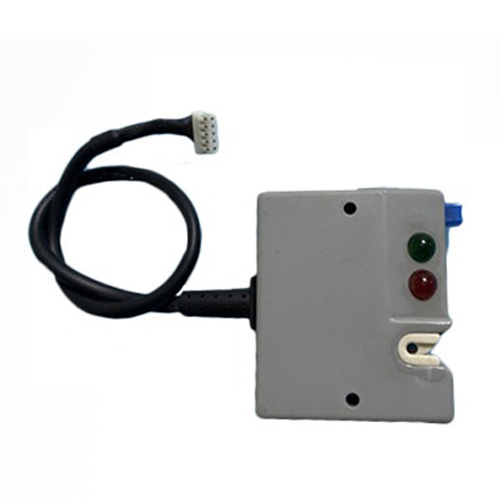
Installation and calibration are straightforward but critical steps. Proper mounting alignment relative to the target is vital to ensure optimal signal strength and avoid false triggers. Shielding from electromagnetic interference (EMI) generated by nearby motors or power lines is also recommended. Regular diagnostic checks, often facilitated by built-in LED indicators, help in proactive maintenance. The integration of these sensors with modern Programmable Logic Controllers (PLCs) and Industrial Internet of Things (IIoT) platforms opens avenues for predictive maintenance, where data trends can forecast potential system failures before they occur.
The evolution of sensor technology continues to push boundaries. Modern hydraulic proximity position sensors now incorporate advanced features like IO-Link communication, which simplifies parameter setting and provides detailed device status information. This digital transformation enhances system flexibility and diagnostic capabilities. The core value proposition remains unchanged: delivering unwavering accuracy and resilience in the most demanding applications. By providing real-time, contactless position feedback, these sensors form the backbone of efficient, safe, and intelligent hydraulic systems, driving productivity across countless industries from aerospace to agriculture. Their role in enabling precise motion control is a testament to their engineering, making them not just a component, but a cornerstone of modern industrial automation.