check

check

check

check

check

check
In industrial automation, harsh conditions are a constant challenge. Machinery operates under extreme pressures, temperatures, and exposure to contaminants. Standard sensors often fail prematurely, leading to costly downtime, safety risks, and production inefficiencies. This is where the high pressure proximity sensor becomes an indispensable component, engineered specifically to deliver unwavering reliability where it matters most.
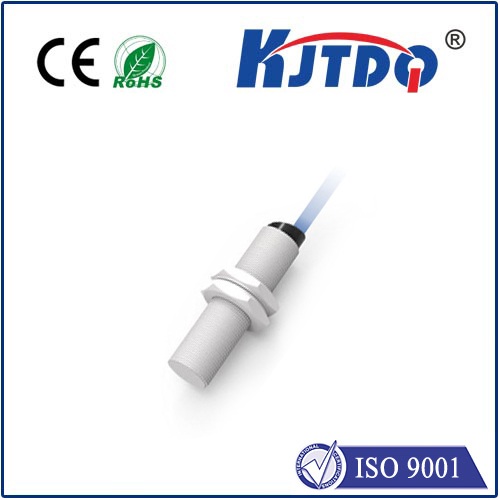
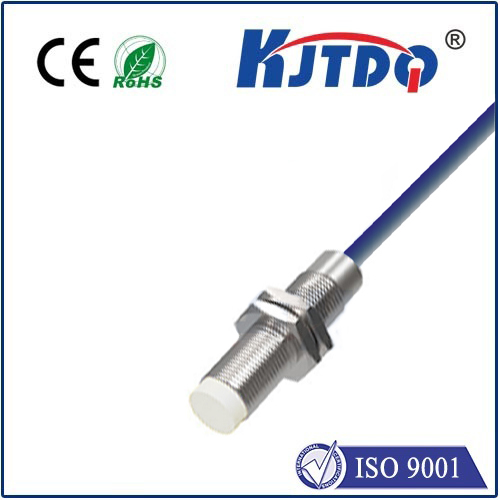
Unlike conventional inductive or capacitive sensors, a high pressure proximity sensor is built to withstand exceptionally high ambient pressures, often found in hydraulic systems, deep-sea equipment, high-pressure processing (HPP) food machinery, and oil & gas applications. Its core function remains non-contact detection of metallic objects, but its construction is radically reinforced. The housing is typically crafted from high-grade stainless steel (like 316L) or other robust alloys, featuring a thick wall design and a hermetically sealed sensing face. This robust build protects the internal oscillator, evaluation circuit, and amplifier from deformation or ingress caused by the immense external pressure.
The technology behind these sensors is a testament to precision engineering. Most operate on the damped oscillation principle. The sensor generates an electromagnetic alternating field. When a metallic target enters this field, eddy currents are induced, damping the oscillation. The sensor's electronics detect this change and trigger a solid-state switch. The critical advancement lies in the design of the coil and housing. They are potted with special compounds under vacuum to eliminate any air pockets that could collapse under pressure. The diaphragm separating the internal electronics from the process media is meticulously engineered to flex minutely without affecting performance or integrity, ensuring the sensor can handle both the static pressure and any dynamic pressure surges.
The benefits of integrating a high pressure proximity sensor into a system are substantial. Primarily, they offer exceptional longevity and reduced maintenance. By surviving in environments that would destroy standard sensors, they eliminate frequent replacements. This directly translates to lower total cost of ownership despite a potentially higher initial investment. Secondly, they guarantee process reliability. In a hydraulic press, for instance, accurate detection of cylinder position under thousands of PSI is critical for cycle control and safety. A sensor failure could cause improper sequencing or even equipment damage. These sensors provide consistent, repeatable switching signals, ensuring automated processes run smoothly and safely.
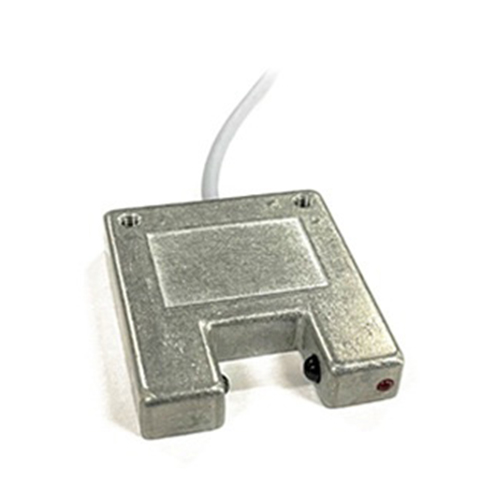
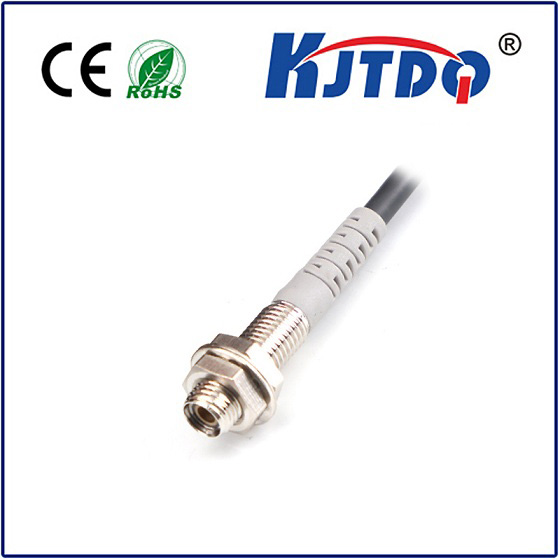
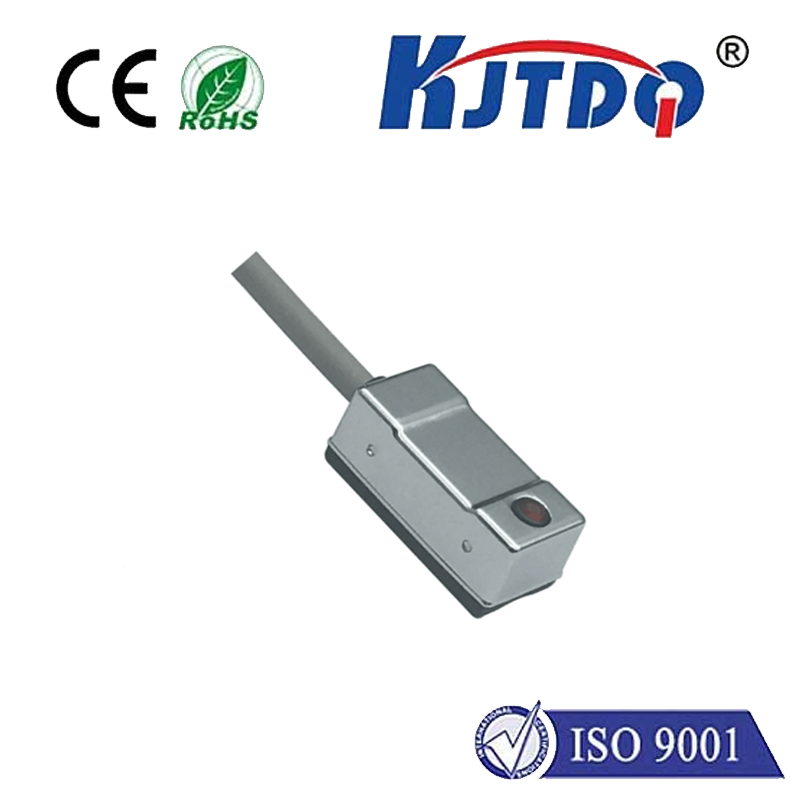
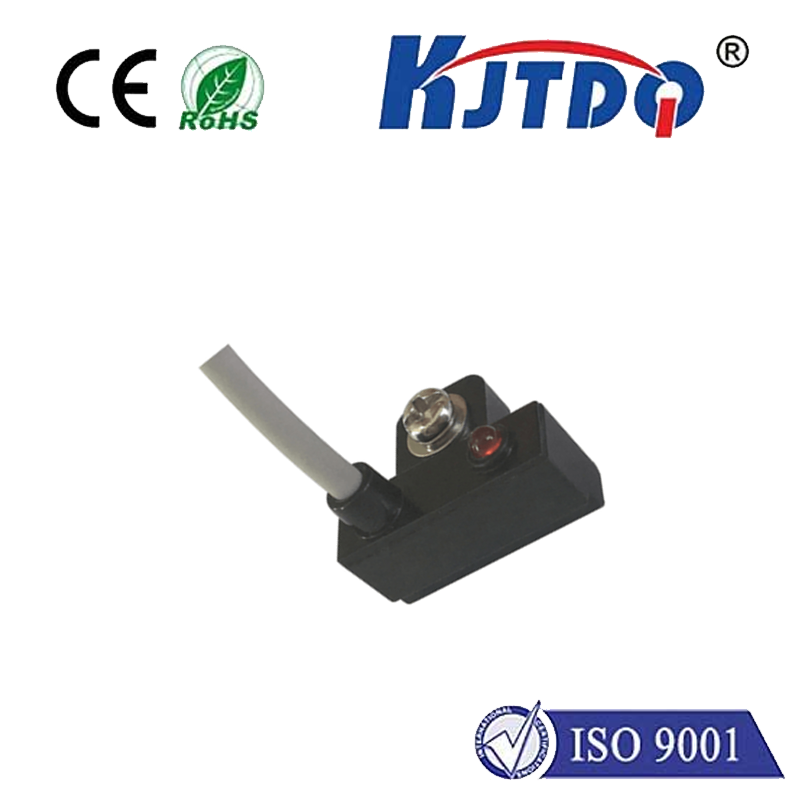
Furthermore, modern high pressure proximity sensors come with advanced features. Many offer IO-Link capability, providing digital communication for parameter setting, condition monitoring, and diagnostic data like operating temperature or signal strength. This enables predictive maintenance, alerting operators to potential issues before a failure occurs. They are also available in various form factors (threaded barrels, rectangular) and sensing ranges to fit diverse installation requirements.
Selecting the right sensor requires careful consideration of key specifications. The rated pressure is paramount—ensure it exceeds the maximum operating pressure of your system with a safety margin. The pressure media (oil, water, saline solution) compatibility must be checked against the sensor's seal materials. Temperature range, electrical output (PNP/NPN, analog), and housing thread (e.g., M12, M18, G¼) are other critical factors. Always consult the manufacturer's datasheet for detailed performance curves under pressure.
In conclusion, for applications where pressure is not just a factor but the defining operational condition, a standard sensor is a compromise that invites failure. The high pressure proximity sensor is a purpose-built solution, embodying resilience and precision. It is the definitive choice for engineers and system designers who prioritize uptime, safety, and precision in demanding industrial landscapes, from the depths of the ocean to the heart of a high-pressure manufacturing cell.