check

check

check

check

check

check
In the intricate world of industrial automation and machinery, the need for reliable, durable, and precise detection is paramount. Among the myriad of sensing solutions available, the magnetic proximity switch sensor stands out as a cornerstone technology for non-contact position sensing. This guide delves into the workings, advantages, and critical applications of these robust devices, with a focus on the high-performance KJTDQ series, engineered for demanding environments.
At its core, a magnetic proximity switch sensor operates on a simple yet effective principle. It consists of a sensor housing containing a reed switch or a solid-state Hall effect circuit. This sensor is designed to detect the presence of a magnetic field, typically from a separate permanent magnet (the actuator) mounted on a moving part. When the magnet approaches within a specified range—the sensing distance—the magnetic field triggers the switch. This action either opens or closes an electrical circuit, sending a clear signal to a control system like a PLC (Programmable Logic Controller) without any physical contact between the sensor and the actuator. This non-contact nature is the key to its exceptional longevity and reliability, eliminating issues caused by mechanical wear, friction, or contamination.
The benefits of implementing a magnetic proximity switch sensor are substantial. First and foremost is their remarkable durability. Sealed within robust housings, often made from stainless steel, brass, or PBT plastic, they are inherently resistant to dust, dirt, moisture, oils, and even high-pressure washdowns. This makes them ideal for harsh industrial settings such as food processing, packaging, automotive manufacturing, and outdoor machinery. Their operation is unaffected by most environmental interferences, providing stable performance where optical sensors might fail due to fog or dirt accumulation. Furthermore, they offer high switching accuracy and repeatability, ensuring consistent machine cycles and process control. Installation and setup are generally straightforward, as they require only alignment with their corresponding magnet.
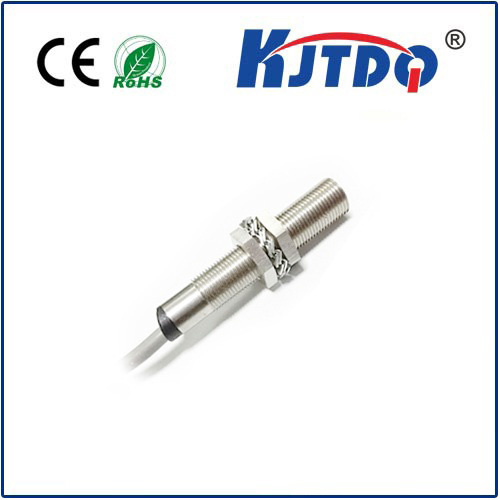
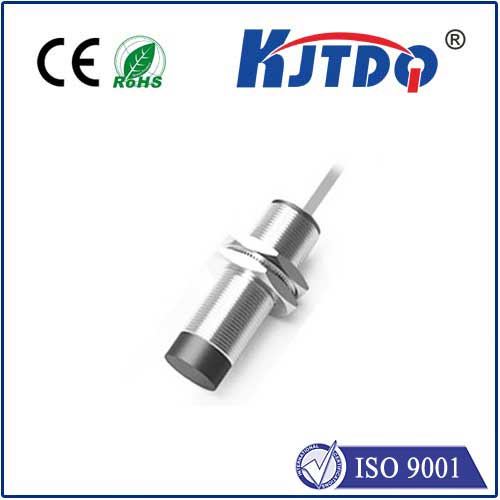
The KJTDQ series embodies these advantages while pushing the boundaries of performance. Designed for extreme reliability, these sensors feature advanced sealing technologies (often meeting IP67 or IP69K ratings) and wide operating temperature ranges. They are built to withstand significant shock and vibration, common in heavy machinery and mobile equipment. The KJTDQ models are available in various form factors—tubular, rectangular, or slot-style—and output types (e.g., NPN, PNP, NO, NC) to integrate seamlessly into diverse control architectures. Their consistent switching behavior ensures minimal downtime and maintenance, a critical factor for continuous production lines.
The applications for magnetic proximity sensors like the KJTDQ are vast and varied. A classic use is in cylinder position detection. A magnet embedded in the piston of a pneumatic or hydraulic cylinder is detected by a sensor mounted on the cylinder body, providing precise feedback on whether the cylinder is extended or retracted. They are indispensable in conveyor systems for detecting the position of pallets, products, or doors. In automotive assembly, they monitor the position of robotic arms, clamps, and safety guards. Beyond factories, they are found in agricultural equipment, forklifts (for lift height control), and even in domestic appliances like washing machines to detect lid position. Their versatility and robustness make them a default choice for safety interlocking systems, where reliable detection is non-negotiable for operator protection.
When selecting a magnetic proximity switch sensor, several parameters must be considered. The sensing distance, typically a few millimeters to tens of millimeters, must be appropriate for the application. The housing material must be compatible with the environment (e.g., stainless steel for corrosive settings). The electrical specifications—voltage range, current rating, and output type—must match the control system. The KJTDQ series offers a comprehensive range to meet these precise needs, providing engineers with a trusted component for their most critical detection tasks.
In conclusion, the magnetic proximity switch sensor remains an essential, unsung hero in automation. Its simple principle translates into unparalleled reliability in practice. For engineers and system integrators seeking a sensing solution that combines durability, precision, and ease of use for position detection in challenging conditions, the KJTDQ series represents a benchmark of quality and performance, ensuring smooth and efficient operation across countless industries.