check

check

check

check

check

check
In the world of industrial automation and smart systems, the ability to detect the presence or absence of an object without physical contact is paramount. Among the various solutions available, the rectangular proximity sensor stands out for its unique form factor and reliable performance. This non-contact detection device operates on the principle of electromagnetic fields or capacitive coupling, offering a robust solution for challenging environments where space constraints and precise positioning are critical.
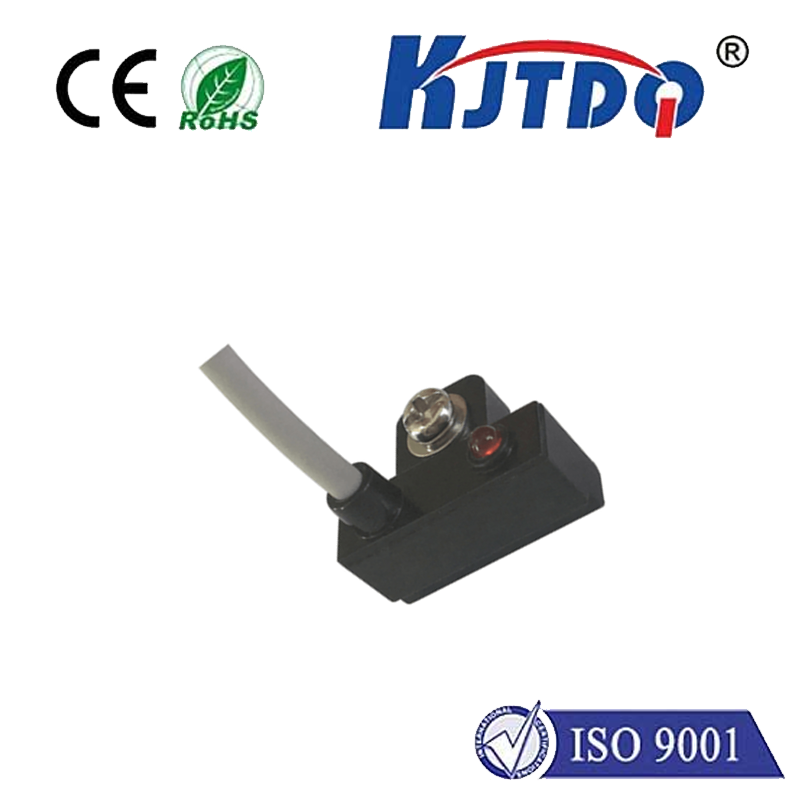
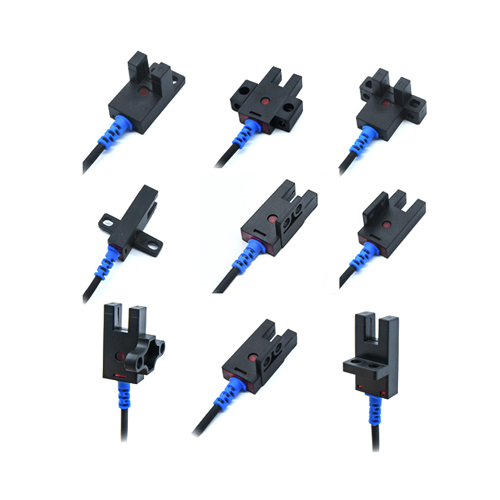
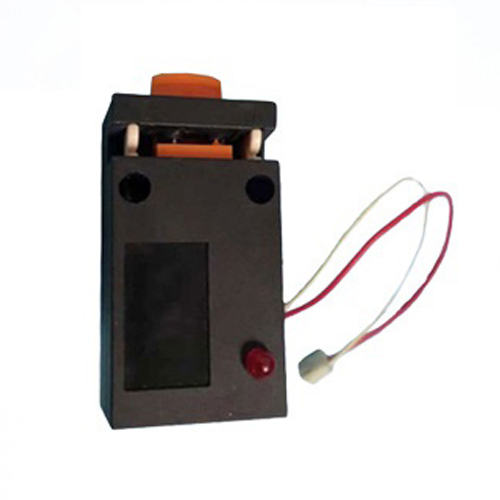
The defining characteristic of a rectangular proximity sensor is its elongated, slim housing. This shape provides distinct advantages over cylindrical sensors. It allows for easier installation in tight spaces, such as within machine tooling, conveyor system edges, or automated assembly lines. The flat face often provides a larger sensing area, which can be beneficial for detecting larger or irregularly shaped objects. Manufacturers typically construct these sensors from durable materials like nickel-plated brass, stainless steel, or rugged plastics, ensuring resistance to oils, coolants, and physical impacts common in industrial settings.
Technologically, these sensors primarily utilize inductive or capacitive sensing principles. Inductive rectangular proximity sensors generate an oscillating electromagnetic field from the sensing face. When a metallic object enters this field, it causes a change in the oscillation amplitude, which the sensor's circuitry detects, triggering an output signal. They are ideal for detecting metals like steel, aluminum, or copper. Capacitive sensors, on the other hand, can detect both metallic and non-metallic materials—liquids, plastics, wood, or glass—by sensing changes in capacitance caused by the object's dielectric properties.
The applications for rectangular proximity sensors are vast and varied. In packaging machinery, they verify the presence of cartons on a conveyor belt. Within CNC machining centers, they serve as tool presence detectors or part position verifiers. The automotive industry relies on them for robotic weld gun positioning and checking door and panel alignments. Their sealed designs often meet IP67 or higher ratings, making them suitable for washdown areas in food and beverage processing or pharmaceutical manufacturing. Furthermore, their output—typically in the form of a digital PNP/NPN signal or analog 4-20mA/0-10V—seamlessly integrates with Programmable Logic Controllers (PLCs) and other control systems, forming the backbone of feedback loops in automated processes.
Selecting the right rectangular proximity sensor requires careful consideration of several parameters. The sensing distance, or nominal range, is crucial and must be chosen with a safety margin to account for target material, temperature variations, and voltage fluctuations. The mounting style—flush or non-flush—affects the sensing range and potential interference from surrounding metals. Environmental factors like ambient temperature, exposure to chemicals, and required ingress protection (IP) rating directly influence the housing material and seal choice. Electrical characteristics, including operating voltage (commonly 10-30V DC or 90-250V AC), output type, and connection method (pre-wired cable or quick-disconnect), must match the control system's specifications.
Modern advancements continue to enhance the capabilities of these sensors. Some models now incorporate IO-Link communication, enabling digital parameter setting, remote diagnostics, and process data monitoring directly from the sensor. This facilitates predictive maintenance and easier integration into Industry 4.0 frameworks. Other features include short-circuit and overload protection, reverse polarity protection, and LED status indicators for simplified troubleshooting.
For optimal performance and longevity, correct installation and maintenance are essential. Sensors should be mounted securely to avoid vibration, with adequate clearance from other metal objects as specified by the manufacturer to prevent false triggering. Regular cleaning of the sensing face from debris, dust, or buildup ensures consistent operation. While highly reliable, understanding common failure modes—such as electrical noise interference, sensor damage from mechanical stress, or degraded sensing range due to environmental factors—allows for quicker resolution of issues.
In conclusion, the rectangular proximity sensor is a fundamental and versatile component in modern automation. Its specialized shape solves spatial challenges while delivering dependable non-contact detection. From ensuring worker safety by monitoring guard door positions to guaranteeing product quality through precise part counting, these sensors provide the essential data that drives efficient, safe, and intelligent operations across countless industries. As systems grow smarter and more interconnected, the role of reliable sensing technology, epitomized by the robust rectangular proximity sensor, will only become more critical.