check

check

check

check

check

check
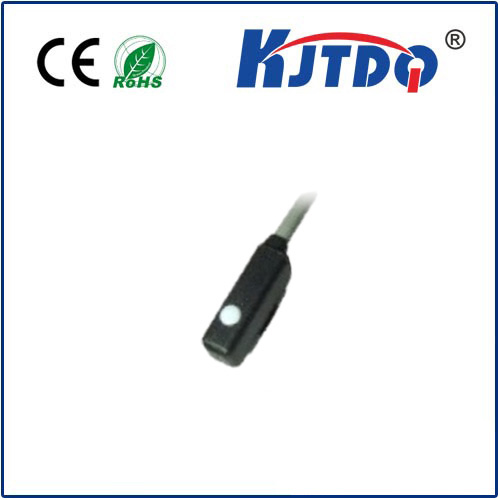
In industrial and manufacturing settings, the ability to monitor equipment and processes under extreme conditions is not just an advantage—it's a necessity. High temperature environments, such as those found in metal processing, glass manufacturing, power generation, and aerospace applications, pose significant challenges for conventional sensing technology. Standard proximity sensors often fail or degrade rapidly when exposed to sustained heat, leading to unplanned downtime, safety risks, and costly maintenance. This is where the specialized high temperature proximity sensor, like the KJTDQ series, becomes an indispensable component for operational integrity and efficiency.
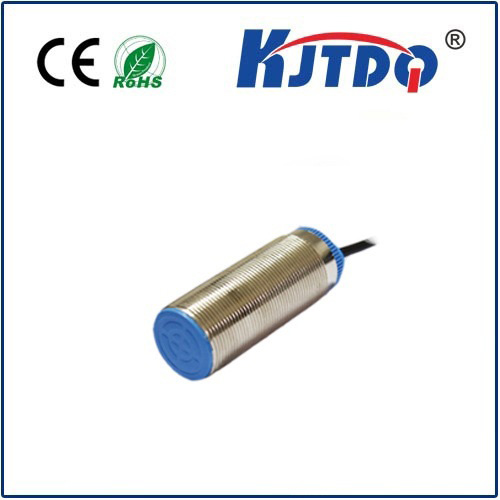
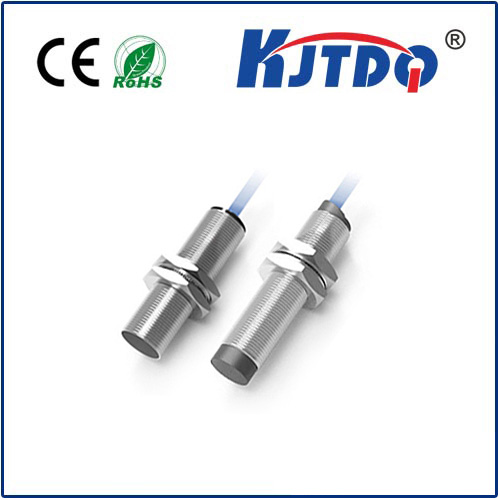
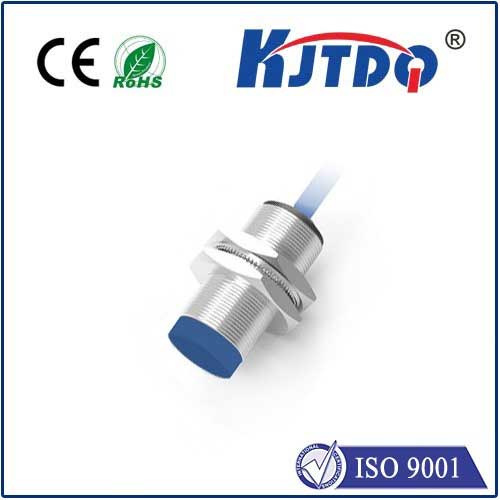
The core challenge in high-heat zones is material and electronic resilience. Typical sensors utilize components and housing materials that cannot withstand prolonged exposure to temperatures exceeding 70-80°C. In contrast, a purpose-built high temperature proximity sensor is engineered from the ground up for thermal endurance. The KJTDQ sensor, for instance, incorporates advanced high-temperature alloys for its housing and sensing face, providing robust physical protection. Internally, it uses ceramics and specialized high-temperature solder to secure electrical connections, while its critical sensing element is designed to maintain stable performance characteristics even as ambient temperatures soar. This dedicated construction allows reliable operation in ambient temperatures ranging from -40°C up to +200°C or higher, with some models capable of withstanding brief exposure to even more intense heat from nearby sources.
The technology enabling this performance often involves inductive or capacitive sensing principles, optimized for thermal stability. An inductive high temperature proximity sensor detects the presence of metallic objects by generating an electromagnetic field. The KJTDQ series is calibrated to ensure that the oscillation circuit and amplifier circuitry compensate for thermal drift—a phenomenon where temperature changes cause unwanted shifts in signal output. Through meticulous design and component selection, the sensor delivers a consistent switching point and sensing range, whether the environment is at room temperature or near its maximum rated limit. This consistency is critical for precise positioning control, part detection on hot conveyor lines, or monitoring the status of valves and actuators in engine test stands.
Applications for these rugged sensors are vast and critical. In the steel industry, they monitor the position of red-hot billets in rolling mills. Within automotive foundries, they ensure robotic arms accurately handle molten metal casts. In plastic injection molding, they detect molds at high temperatures, coordinating the ejection cycle. The energy sector relies on them for turbine monitoring and boiler systems. The KJTDQ sensor's reliability in these scenarios directly contributes to enhanced safety by preventing machinery collisions and ensuring systems operate within designed parameters. It also drives efficiency by enabling continuous production without frequent sensor replacement, reducing maintenance windows and associated labor costs.
Selecting the right high temperature proximity sensor requires careful consideration of several factors beyond just the maximum temperature rating. The sensing distance, or range, must be appropriate for the application, considering that heat can sometimes affect the detectable field. The housing material—often stainless steel like 316L or specialized nickel alloys—must resist not only heat but also potential corrosion from chemicals or fumes in the environment. Output type (PNP/NPN, analog, or IO-Link) needs to integrate seamlessly with the existing control system. Environmental sealing, denoted by an IP rating (e.g., IP67, IP69K), is crucial for protection against dust and washdowns in harsh industrial settings. The KJTDQ series is developed with these multifaceted demands in mind, offering a range of configurations to meet specific installation challenges.
Ultimately, implementing a high temperature proximity sensor like the KJTDQ is an investment in predictive maintenance and operational uptime. By providing dependable feedback from the harshest corners of a facility, it forms a key data point for Industry 4.0 and smart factory initiatives. This data allows for better process control, early warning of potential failures, and optimized production flow. In a landscape where margins are tight and reliability is paramount, the choice of sensing technology can be a decisive factor. The engineered resilience of a dedicated high-temperature sensor ensures that detection and measurement remain accurate, safeguarding both assets and productivity against the relentless challenge of extreme heat.