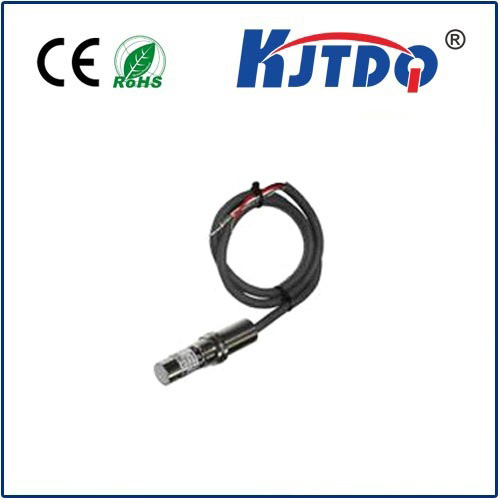
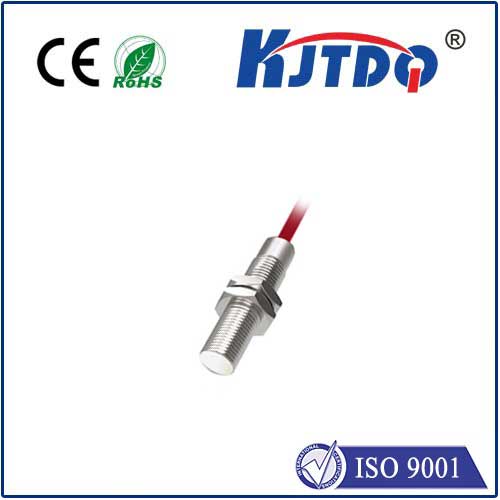
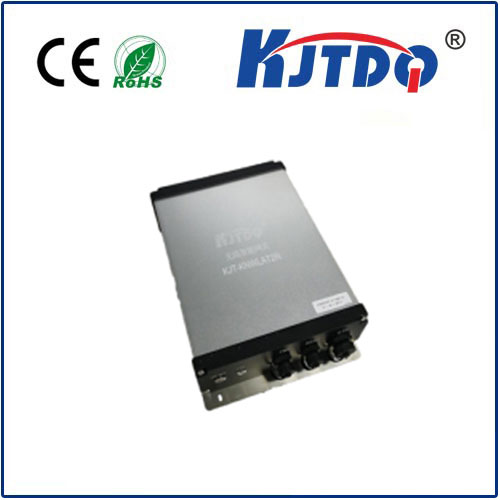
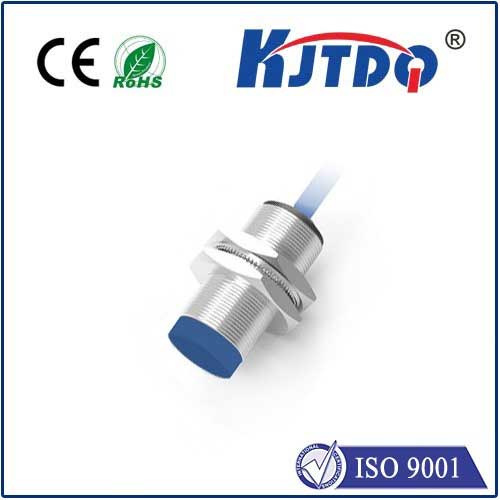
BES0583 high pressure proximity sensor
- time:2025-10-17 02:46:34
- Click:0
BES0583 High Pressure Proximity Sensor: The Robust Sentinel for Demanding Industrial Environments
Imagine a critical piece of machinery deep within an oil rig, a high-pressure hydraulic press shaping metal, or a chemical processing line handling volatile substances. In these punishing environments, reliability isn’t just desirable; it’s paramount. Failure is not an option. Monitoring components under immense pressure requires sensors built not just for accuracy, but for sheer endurance. This is precisely where specialized components like the BES0583 high pressure proximity sensor step into the spotlight, acting as the unwavering eyes and ears within these extreme conditions.
The Unforgiving Realm of High Pressure
Industrial processes frequently generate or operate under tremendous pressures, often reaching hundreds or even thousands of bar. Monitoring the position, movement, or presence of components within these systems presents unique challenges. Standard proximity sensors simply aren’t equipped to handle the constant mechanical stress, potential media exposure (like aggressive hydraulic fluids or chemicals), and the sheer force exerted on their housings and sensing faces. Failure in such a sensor can lead to catastrophic downtime, safety hazards, and costly repairs. Accurate and reliable detection under these circumstances demands a sensor engineered specifically for the task. This is the core purpose of high-pressure variants like the BES0583.
Understanding Proximity Sensing Under Pressure
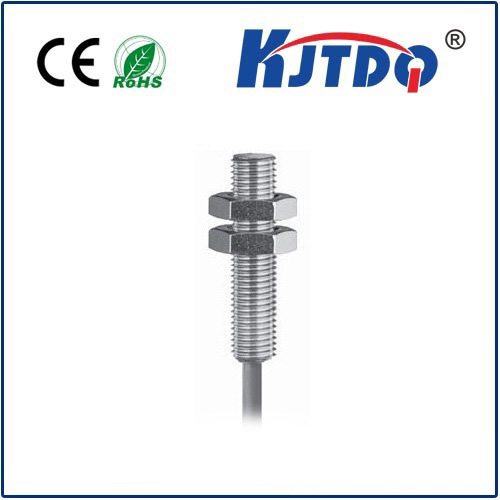
At its heart, the BES0583 is an inductive proximity sensor. This means it detects the presence or absence of metallic targets without physical contact, using an electromagnetic field generated by a coil. When a metal object enters this field, it induces eddy currents within the target, causing a change in the sensor’s oscillation amplitude or frequency. This change is detected electronically, triggering the sensor’s output signal (typically a switch closing or opening). The non-contact nature of inductive sensing inherently offers advantages like long operational life and resistance to wear and tear compared to mechanical switches.
Why the BES0583 Stands Out: Engineered for Extremes
The “high pressure” designation in the BES0583 title isn’t marketing fluff; it signifies critical design enhancements tailored for harsh service:
- Exceptional Pressure Resistance: The defining feature. The BES0583 boasts a housing specifically designed and rigorously tested to withstand continuous exposure to high fluid or gas pressures that would crush or compromise standard sensors. Look for specifications detailing its maximum pressure rating – a crucial factor for selecting the right sensor for your application.
- Robust Construction: Beyond just pressure, these sensors face vibration, shock, and potentially corrosive media. The BES0583 typically employs high-grade stainless steel housings (often 316L/V4A) providing superior mechanical strength and corrosion resistance. This robust build ensures longevity even in the most abrasive settings like offshore platforms, mining, or heavy machinery.
- Media Compatibility: Designed to function reliably while immersed in or exposed to demanding industrial fluids (hydraulic oils like HLP, HFD; coolants, lubricants) and certain gases. The sealing technology is paramount here, preventing media ingress that could damage internal electronics.
- Intrinsically Safe Options: For potentially explosive atmospheres (common in oil & gas, chemical plants, paint shops), the BES0583 is often available in intrinsically safe (Ex i) versions. These designs limit the electrical energy within the sensor to levels incapable of igniting a hazardous atmosphere, providing critical functional safety.
- Unwavering Reliability: The combination of pressure resistance, robust materials, and advanced sealing translates directly into reduced downtime and minimized maintenance needs. Operators gain confidence that the sensor will perform consistently, providing accurate detection where failure is unacceptable.
Where the BES0583 Proves Indispensable: Key Applications
The BES0583 high pressure proximity sensor finds its critical role in numerous sectors where pressure is a constant companion:
- Hydraulic Systems: Monitoring cylinder end positions, valve spool detection, or verifying component presence within high-pressure hydraulic power units (HPUs) used in presses, injection molding machines, construction equipment, and marine systems.
- Oil & Gas Exploration and Production (E&P): Downhole tools, wellhead control systems, subsea equipment, and pipeline monitoring – environments characterized by extreme pressures, shocks, and corrosive elements demand the ruggedness of sensors like the BES0583.
- Chemical & Petrochemical Processing: Detecting valve positions, pump status, or component presence in lines handling corrosive chemicals under significant pressure.
- High-Pressure Die Casting & Injection Molding: Verifying mold closure, ejector plate position, or core pulls within machinery generating very high clamping forces and thermal stresses.
- Power Generation: Monitoring components in hydraulic control systems for turbines (steam, hydro) or within high-pressure feedwater lines.
- Test Benches & Pressure Vessels: Providing precise position feedback on actuators or verifying component states during pressure testing cycles.
Selecting and Implementing Your High-Pressure Sensor
Choosing the right BES0583 variant requires careful consideration:
- Pressure Rating: The absolute starting point. Ensure the sensor’s rated pressure exceeds the maximum operating pressure of your system (include safety margins for pressure spikes).
- Media Compatibility: Confirm the sensor’s housing material and seals are compatible with the specific fluid or gas it will be exposed to.
- Electrical Requirements: Voltage supply (e.g., 10-30V DC), output type (PNP/NPN, Normally Open/Closed), and connection type (cable outlet, connector).
- Sensing Distance & Target: Ensure the specified sensing range suits your application and the target material is suitable for inductive sensing (ferrous/non-ferrous metal).
- Environmental Factors: Temperature range, degree of ingress protection (IP rating), and if required, explosion protection certification (ATEX, IECEx, UL for Class/Div or Zone).
- Mounting: Consider the physical space constraints and ensure the sensor’s dimensions (barrel size, thread type - e.g., M8x1, M12x1, M18x1) and mounting style (flush or non-flush) are suitable.
Proper installation is equally critical. Ensure the sensor body is securely mounted to withstand pressure and vibration. Pay meticulous attention to sealing surfaces to prevent leaks. Follow manufacturer guidelines for electrical connections, especially for intrinsically safe versions which require correctly rated barriers or isolators.
Beyond the Spec Sheet: The Value Proposition
Investing in a specialized sensor like the BES0583 high pressure proximity sensor goes beyond purchasing a component; it’s investing in operational integrity. Its robust construction and proven resilience directly contribute to:
- Enhanced Safety: Reliable detection prevents unsafe machine states and critical failures in hazardous environments.
- Maximized Uptime: *