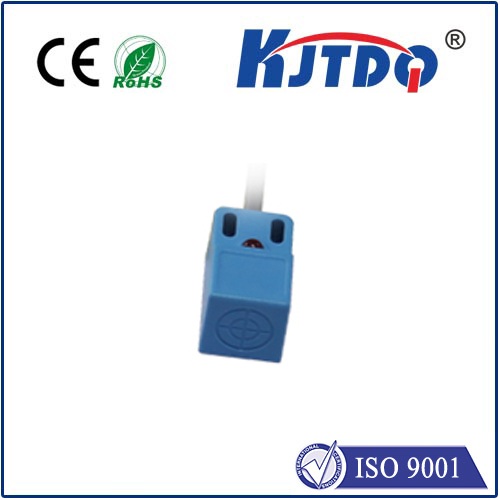
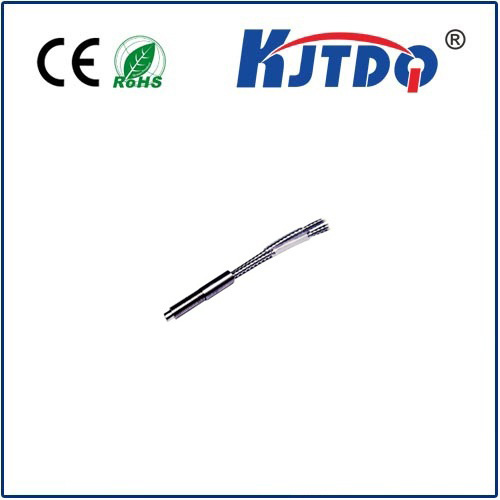
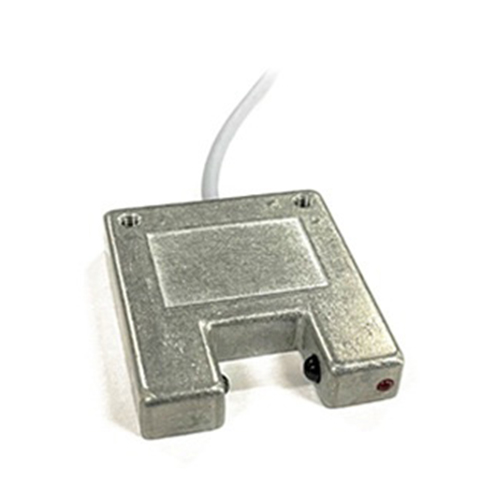
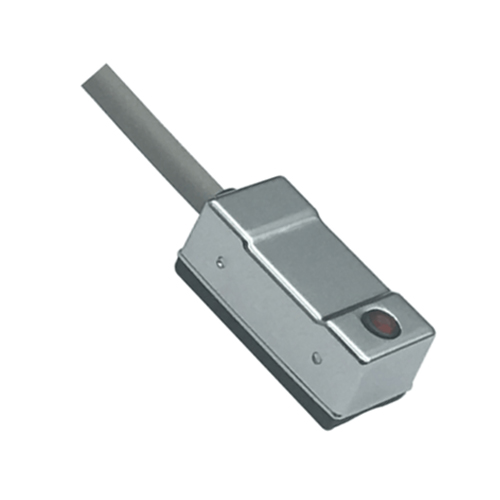
BES046M proximity sensor
- time:2025-10-14 06:42:48
- Click:0
The BES046M Proximity Sensor: Your Reliable Solution for Industrial Distance Detection
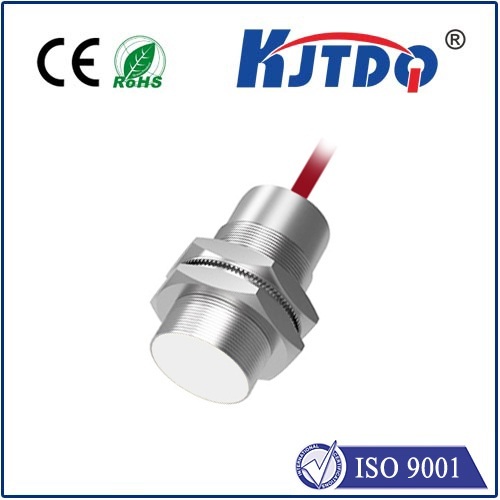
In the intricate ballet of modern automation, where machines move with precision and timing is paramount, sensing technology plays a crucial, often unseen, role. Among these vital components, the BES046M proximity sensor stands out as a petite powerhouse, delivering dependable non-contact detection essential for countless industrial applications. More than just a part number, the BES046M represents a specific class of robust, inductive sensors designed for demanding environments where reliability isn’t an option—it’s a requirement. This sensor quietly ensures processes run smoothly, safety protocols are upheld, and quality standards are met, consistently and efficiently.
Understanding Proximity Sensing: Beyond Physical Contact
Traditional mechanical switches rely on physical touch to detect an object’s presence or absence. While functional, this contact inevitably leads to wear and tear, shortening lifespan and potentially causing failures. Proximity sensors solve this problem elegantly. They detect objects without any physical contact, using electromagnetic fields, light, or sound. The BES046M belongs to the inductive proximity sensor category. It generates a high-frequency oscillating electromagnetic field from its sensing face. When a metallic object (the “target”) enters this field, it induces small electrical currents (eddy currents) on the target’s surface. This process, governed by Faraday’s law of induction, dissipates energy from the BES046M’s oscillator circuit. The sensor detects this energy loss and triggers a solid-state electronic switch, signalling the object’s presence.
Why the BES046M Stands Out: Key Features and Advantages
The BES046M proximity sensor isn’t just another generic sensor; its specific engineering provides significant advantages in industrial settings:
- Exceptional Durability & Environmental Resistance: Encased typically in a rugged nickel-plated brass or stainless-steel housing, the BES046M sensor boasts impressive resilience. Its IP67 protection rating shields it against dust ingress and temporary immersion in water (up to 1m for 30 mins), making it ideally suited for harsh environments like machine shops, production lines, and outdoor equipment. It shrugs off oil, coolants, and vibrations that would cripple less robust components.
- Simplified Installation & Integration: Designed with practicality in mind, the BES046M often features an M8 or M12 threaded barrel design, allowing quick and secure mounting directly through panels or brackets. Its compact size is a significant asset in space-constrained applications. Furthermore, its PNP (sourcing) output configuration aligns perfectly with the requirements of most modern Programmable Logic Controllers (PLCs) and control systems, ensuring hassle-free wiring and integration.
- Reliable Performance & Consistency: Inductive sensors like the BES046M offer highly stable, repeatable detection of ferrous and non-ferrous metals. They are virtually immune to interference from ambient light, dust (provided the IP rating is maintained), and non-metallic objects floating nearby. Once set up correctly, they deliver unwavering performance, cycle after cycle, minimizing downtime and maintenance headaches.
- Adjustable Sensing Ranges: While offering a nominal switching distance (e.g., 2mm or 3mm, depending on the specific variant), the BES046M proximity sensor often provides a small degree of adjustability. This allows technicians to fine-tune the sensor’s detection point for optimal positioning relative to the target, maximizing reliability in specific installations.
- Energy Efficiency & Cost-Effectiveness: Typically operating within a standard 8-30V DC supply voltage range, the BES046M sensor consumes minimal power. This translates to lower operational costs over its extended lifespan. Its durability also means significantly reduced replacement costs compared to mechanical switches or less robust sensors.
Where the BES046M Shines: Core Industrial Applications
The versatility and robustness of the BES046M inductive proximity sensor make it invaluable across numerous sectors:
- Manufacturing & Assembly Lines: It serves as the “eyes” for automated systems, detecting the presence or absence of parts on conveyors (
Parts Counting/Verification), confirming the correct positioning of components during assembly (Position Verification), and monitoring the open/closed status of guards or doors (Safety Interlocking). Its reliability is critical for maintaining line speed and preventing jams or defective products.
- Machine Tooling & CNC: In high-precision machining environments, the BES046M detects tool positions (
Tool Change Verification), confirms workpiece clamping (Workpiece Presence), and monitors coolant flow mechanisms. Its resistance to metal chips and coolants is essential here.
- Packaging & Material Handling: Ensuring bottles, cans, or cartons are correctly positioned before filling, capping, or labeling (
Presence Detection for Filling/Labeling), and counting items moving along conveyors (Objects Counting on Conveyors) are typical tasks. The sensor’s consistent performance ensures packaging accuracy and throughput.
- Automotive & Heavy Machinery: From confirming component positions in robotic welding cells (
Robotic Arm Positioning) to detecting gear positions in transmissions (Gear Position Sensing) or monitoring hydraulic cylinder strokes (Cylinder Position Feedback), the BES046M withstands the demanding conditions of these industries.
- Textile, Printing & Paper Processing: Detecting metal rollers (
Roller Position), monitoring print register systems (Register Mark Detection on metallic substrates), and sensing the presence of metal guides (Guide Presence) are applications where consistent, non-contact detection is vital for quality and process stability.
Selecting and Implementing the BES046M Effectively
For optimal results with the BES046M proximity sensor, consider these key factors:
- Target Material: Inductive sensors detect metals. Confirm your target is metallic. Ferrous metals (steel, iron) typically yield the longest sensing range; non-ferrous metals (aluminum, brass, copper) have a shorter effective range. The specific datasheet for your BES046M variant will provide exact reduction factors.
- Switching Distance (Sn): This nominal range (e.g., 3mm) defines the standard detection distance under ideal conditions (a square steel target). Always allow a significant safety margin in your installation (e.g., position the sensor at 50-70% of Sn) to account for factors like target shape, temperature fluctuations, and voltage tolerance.
- Operating Voltage: Ensure your power supply matches the BES046M’s specified range (commonly 8-30V DC).
- Output Type: Confirm the required output (PNP - sourcing) is compatible with your control system input.
- Housing Style & Mounting: Select the appropriate thread size (M8 or M12) and ensure sufficient clearance for installation. Consider flush or non-flush mounting based on the sensor’s specifications and the target environment.
- Environmental Conditions: While robust, ensure factors like extreme temperatures, strong magnetic fields, or highly conductive dust don’t exceed the sensor’s rated specifications.
A Fundamental Pillar of Modern Automation
The **BES