hoist limit switch
- time:2025-09-14 00:15:58
- Click:0
Hoist Limit Switches: The Silent Guardians Preventing Catastrophic Overlifting
Imagine a massive steel beam being lifted hundreds of feet on a construction site, or a crucible of molten metal being maneuvered in a foundry. Now, picture the lifting mechanism jamming just as it reaches its critical maximum height, with the operator distracted. What stops the motor from relentlessly straining, cables snapping under excessive tension, or the load crashing dangerously? The answer often lies in a small, unassuming, yet utterly vital component: the hoist limit switch. These critical safety devices are the last line of defense against dangerous overlifting, protecting personnel, equipment, and infrastructure.
Understanding the Hoist Limit Switch: Core Function and Importance
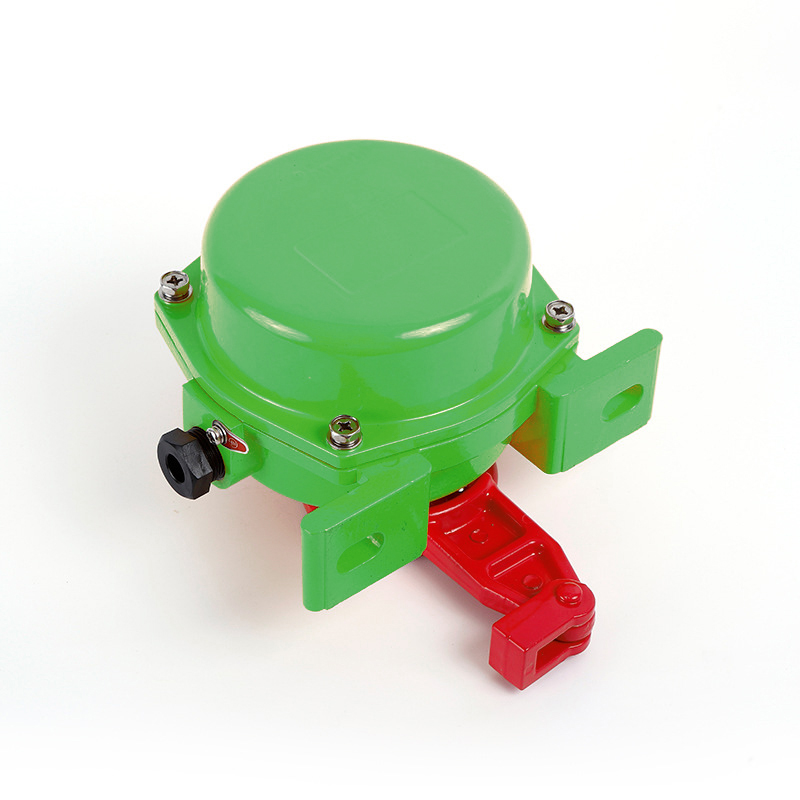
A hoist limit switch is a safety device specifically engineered to automatically cut power to the hoist motor when the lifting hook or load block reaches a predetermined upper travel limit. Its primary function is to prevent catastrophic overlifting, which can lead to:
- Structural Failure: Over-stressing the hoist’s frame, boom, mast, or supporting structure.
- Cable Breakage: Exceeding the safe working load limit of the wire rope or chain, causing it to snap.
- Load Damage: Crushing the load against the hoist structure or overhead obstructions.
- Equipment Damage: Causing severe damage to the hoist motor, gearbox, or braking system.
- Serious Injury or Fatality: Falling loads, flying debris, or structural collapse pose extreme risks to nearby personnel.
In essence, the limit switch acts as an automated safety officer, constantly monitoring the hook’s position and taking decisive action the moment it ventures too high. Compliance with strict safety regulations, such as ASME B30 standards, mandates the use of properly functioning limit switches on most powered hoisting equipment.
How Hoist Limit Switches Work: Mechanisms at Play
Limit switches operate through various mechanisms, triggered by the physical movement of the hook block assembly:
- Rotating Drum Switches: Common on wire rope hoists. A cam, mounted on the hoist’s rope drum, rotates as the drum winds or unwinds. At precisely the set upper limit point, this cam physically engages a lever on the switch, activating it and opening the motor control circuit.
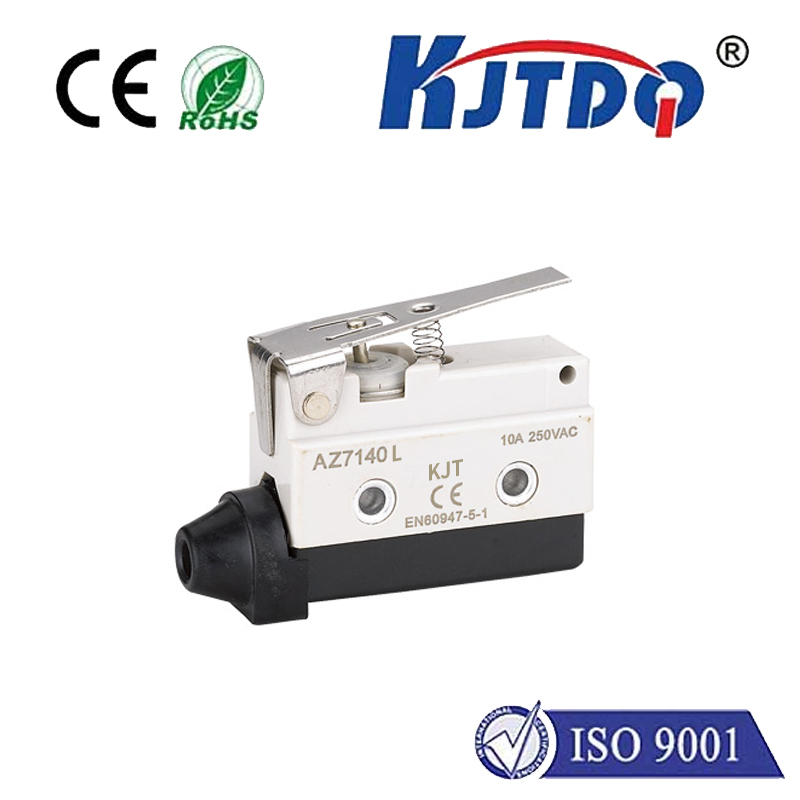
- Lever Arm Switches: Often used on chain hoists or specific configurations. A lever arm extends downward. As the hook block rises and contacts this lever, it is pushed upward, mechanically tripping the switch contacts.
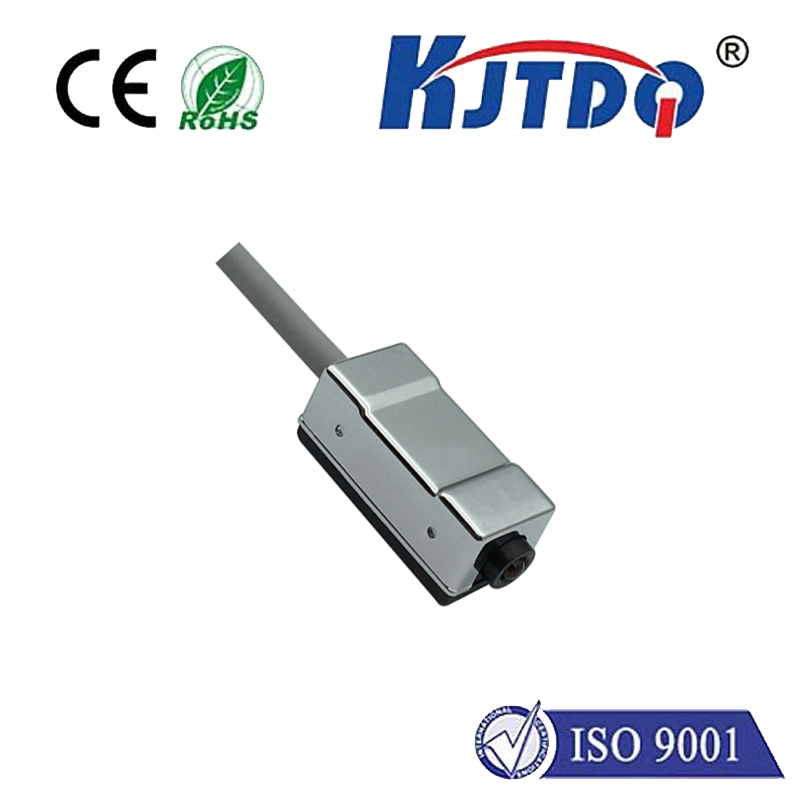
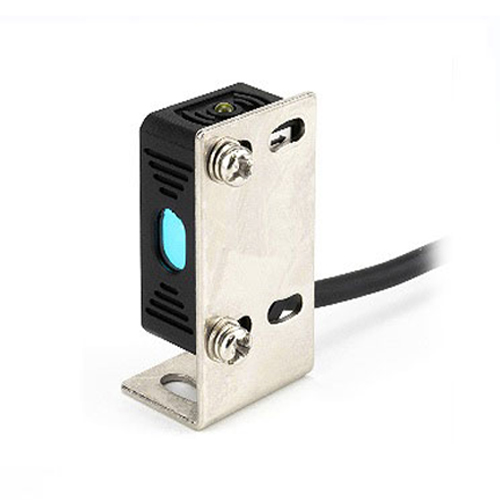
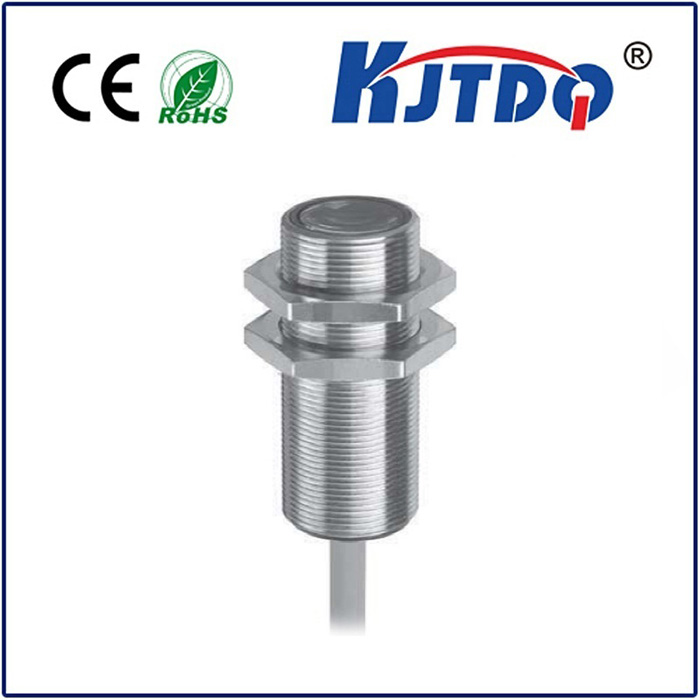
- Proximity Switches (Non-Contact): Increasingly popular. These use magnetic or inductive sensors to detect the proximity of a target (usually a metal plate or magnet attached to the chain/hook block) as it reaches the set height. No physical contact is required, reducing wear. They signal the control system electronically.
- Screw-Type Switches: Utilizes a threaded shaft driven by the hoist’s movement. A travelling nut moves along the shaft as the hook rises or lowers. At the preset limit, the nut trips the switch mechanism.
Regardless of the type, the fundamental action is the same: interrupt the hoist’s upward power circuit only when the set limit is exceeded. Crucially, limit switches are typically designed as “fail-safe” devices. This means any malfunction (like a broken spring or severed wire) should cause the switch to default to the “open” (motor off) position for upward travel, enhancing safety.
Where Hoist Limit Switches Are Essential
The application of hoist limit switches spans numerous industries where overhead lifting occurs:
- Construction: Tower cranes, mobile cranes, construction hoists.
- Manufacturing: Bridge cranes, gantry cranes, jib cranes in factories and warehouses.
- Material Handling: Automated storage and retrieval systems (AS/RS), monorails.
- Shipping and Ports: Shipboard cranes, dockside container cranes.
- Mining: Mine hoists, shaft sinking equipment.
- Energy: Wind turbine service cranes, power plant maintenance hoists.
Installation, Calibration, and Testing: Ensuring Reliability
Simply having a limit switch installed isn’t enough. Its precise positioning and rigorous testing are paramount for effective safety:
- Critical Installation: The switch or its trigger mechanism (like the cam) must be meticulously positioned relative to the hook block’s path. This requires careful measurement and adjustment during setup.
- Accurate Calibration: The switch must be set to trigger at the correct maximum safe height, allowing sufficient clearance from overhead structures while preventing any part of the load block from jamming against the hoist body. This is often specified by the hoist manufacturer and safety regulations.
- Regular Functional Testing: Industry standards and common sense dictate that hoist limit switches be tested frequently – often daily before use or as specified by operational procedures and regulations. This involves:
- Slowly running the hook block up to the limit point under no load conditions.
- Verifying that the switch reliably cuts power to the up function at the designated height.
- Ensuring the hoist can still lower after the switch trips and is reset (usually by lowering the hook slightly).
- Documenting these tests.
The High Cost of Neglect: Failure Modes and Prevention
A malfunctioning limit switch is not just an inconvenience; it’s a potentially deadly hazard. Common failure points include:
- Mechanical Wear/Jamming: Dirt, corrosion, or physical damage preventing the switch mechanism from moving freely.
- Misalignment: The switch or trigger cam becoming loose or shifted out of position.
- Broken or Damaged Wiring: Compromising the electrical signal.
- Improper Calibration: Set too high (ineffective) or too low (nuisance tripping).
- Bypassing: Deliberately defeating the switch (a dangerous and often illegal practice).
Preventing failure hinges on a robust maintenance program:
- Routine Inspections: Visually checking the switch, linkages, and wiring for damage or looseness.
- Scheduled Lubrication: As per manufacturer guidelines (avoiding over-lubrication that attracts dirt).
- Adherence to Testing Protocols: Consistently performing functional tests.
- Immediate Repair/Replacement: Never operating the hoist if the limit switch is known to be faulty. Qualified personnel should handle repairs.
- Operator Training: Ensuring operators understand the switch’s purpose, how to test it, and the dangers of bypassing it.
Conclusion: An Investment in Safety
Hoist limit switches, though often overlooked, perform an indispensable safety function. They are silent, automated guardians, tirelessly monitoring lift height to prevent the devastating consequences of overlifting. Understanding their operation, ensuring correct installation and calibration, committing to rigorous testing, and maintaining them diligently are non-negotiable aspects of safe overhead lifting operations. Investing in these critical components and the procedures that ensure their reliability is ultimately an investment in protecting lives, valuable equipment, and operational continuity. Never underestimate the power and necessity of this small but mighty safety device.