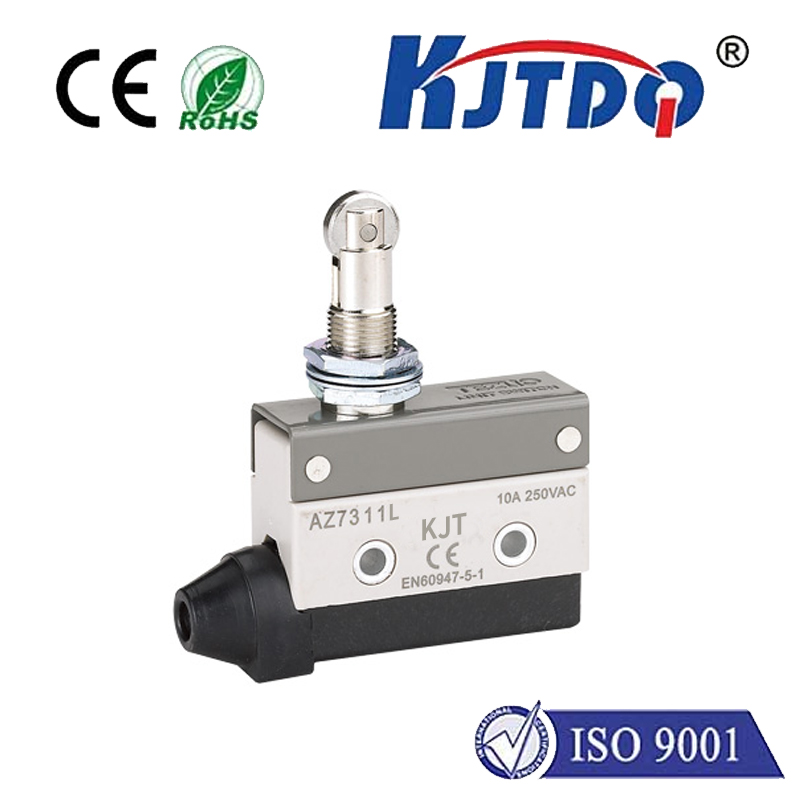
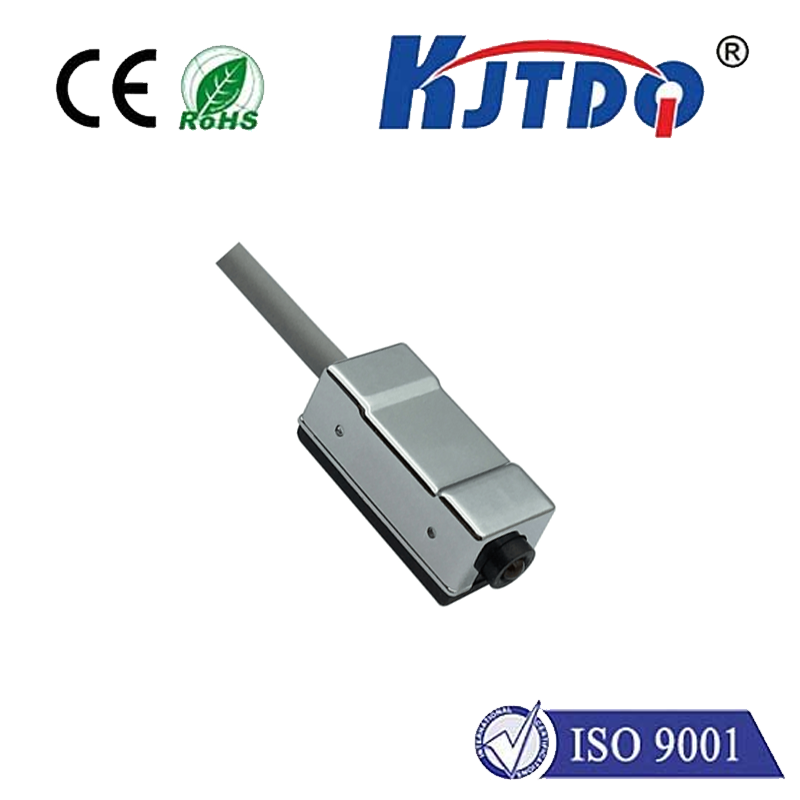
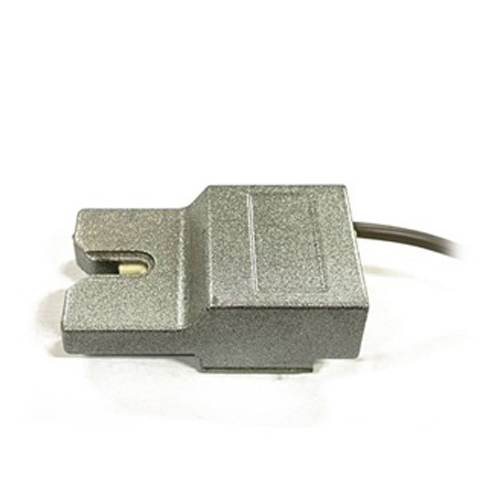
limit switch micro
- time:2025-09-12 02:54:40
- Click:0
Limit Switch Micro: Precision in Miniature for Modern Automation
Imagine shrinking a reliable sentinel, a device crucial for detecting position and preventing damage in machinery, down to dimensions barely larger than a thumbnail. This isn’t science fiction; it’s the reality of the micro limit switch. In an era defined by the relentless drive towards miniaturization and efficiency, these tiny powerhouses are revolutionizing automation across countless industries. They deliver the fundamental function of their larger counterparts – sensing the presence or absence of an object, defining travel endpoints, or confirming position – but packed into a form factor essential for the next generation of compact, sophisticated equipment.
The Shrinking World’s Demand for Miniature Sensing
The evolution of machinery and consumer electronics relentlessly pushes for smaller, lighter, and more powerful solutions. Space is often a premium luxury on factory floors, within medical devices, inside robotics arms, or within intricate consumer appliances. Traditional limit switches, while robust, simply won’t fit or would impose unacceptable design compromises. This is where the micro limit switch shines. Engineered with precision engineering, these components occupy a fraction of the space, enabling designers to integrate critical sensing capabilities where previously impossible. Their development directly responds to the needs of sectors like medical device manufacturing, aerospace instrumentation, compact robotics, sophisticated vending machines, and high-density PCBA assembly lines.
Core Function, Compact Package: How Micro Limit Switches Work
Despite their size, the fundamental principle remains unchanged: a physical actuator (lever, roller plunger, or pin plunger) is displaced by a moving part. This displacement triggers an internal, highly sensitive snap-action mechanism within the micro switch, rapidly opening or closing electrical contacts. This clean transition provides a definitive signal – a crucial trait known as positive opening action – essential for reliable control and safety. The miniaturization challenge lies in replicating this reliable, often high-current switching capability within such constrained dimensions while maintaining long operational life and resistance to environmental factors like dust or vibration.
Key Advantages Driving Adoption
The benefits of integrating a micro limit switch extend far beyond just saving space:
- Unparalleled Space-Saving: This is the primary driver. Their compact footprint and low profile allow integration into densely packed assemblies, enabling entirely new product designs and optimizations. Think about the intricate mechanisms inside modern smartphones or precision surgical tools.
- Lightweight Design: Critical in applications like drones, robotic arms, and portable medical equipment, where every gram impacts performance and battery life.
- Precision Actuation: Micro switches often feature highly adjustable or ultra-sensitive actuators. This allows for detection of minute movements or precise positioning within microns, vital in semiconductor manufacturing and optical alignment systems.
- Responsive Performance: The inherent snap-action mechanism delivers a fast, clean electrical break, minimizing arcing and ensuring reliable signal transmission. This responsiveness is key in high-speed automation.
- Improved Aesthetics and Ergonomics: In consumer-facing devices, micro limit switches enable sleeker designs without protruding components, contributing to better aesthetics and user experience.
- Cost-Effectiveness (Potential): While unit cost might be comparable, the savings come from the enabled miniaturization, potentially reducing the overall size, material usage, and complexity of the end product.
Critical Considerations for Integration
Selecting and deploying micro limit switches effectively requires careful attention:
- Actuator Type: The choice (lever style, roller type, straight plunger) depends entirely on the nature of the moving part it interacts with. Lever arms offer mechanical advantage for lighter forces, while plungers suit direct linear movements. Precision lever design is crucial.
- Electrical Ratings: Despite their size, micro limit switches can handle significant currents (commonly 1A to 5A+, depending on the model). Matching the switch’s current and voltage rating (AC or DC) to the load is absolutely paramount for reliability and safety. Overloading is a common failure point.
- Environmental Sealing: Many applications demand protection. Look for IP (Ingress Protection) ratings (e.g., IP67) indicating resistance to dust and water ingress, especially in harsh industrial or outdoor environments.
- Operational Life: Miniaturization can sometimes involve compromises. Ensure the switch’s rated mechanical life (number of actuations) and electrical life align with the application’s demands. High-reliability models are available for critical tasks.
- Mounting and Termination: Micro switches offer various mounting options (PCB pins, solder lugs, surface-mount technology - SMT for PCBA integration) and termination styles. Correct installation is vital for sensing accuracy and longevity. SMT compatibility is increasingly important for automated assembly.
- Force Requirements: The operating force (OF) and release force (RF) must be suitable. The moving part must reliably actuate the switch without requiring excessive force that could cause damage or wear.
Where the Tiny Titans Rule: Application Spotlights
The versatility of micro limit switches sees them deployed in diverse sectors:
- Consumer Electronics: Detecting battery door closure, confirming accessory connection (docks, chargers), keyboard actuation, printer head positioning, and door interlocks in appliances like coffee machines or microwaves.
- Industrial Automation: Position verification on miniature pneumatic cylinders, confirming tray or spindle position in compact CNC modules, sensing door/hatch status on portable test equipment, end-of-travel detection on small actuators, and part presence verification in high-density assembly stations.
- Medical Technology: Precision positioning in diagnostic equipment (e.g., sample tray location), safety interlocks on portable medical devices, flow control valve position sensing, and confirming the state of disposable components in injectors or analyzers. Sterilization compatibility is often a requirement here.
- Robotics & Mechatronics: Joint angle limits in collaborative robots (cobots), gripper open/close confirmation on small arms, end-effector position sensing, and collision detection sensors due to their small size and weight. Force sensitivity is key.
- Automotive Subsystems: Sensing glovebox/dash compartment closure, sunroof position limits (especially in compact designs), seat position confirmation, and various latch/position detections in increasingly complex and space-constrained interiors.
- Aerospace & Defense: Used in avionics controls, instrument panel feedback, hatch position sensing, and deployment mechanisms for satellites or drones where weight and space are critical constraints demanding rugged reliability.
The Future: Even Smarter, More Integrated Micro Sensing
The trajectory for micro limit switching points towards further innovation. We are witnessing the integration of magnet technology enabling non-contact sensing in similarly miniature packages, offering benefits like reduced mechanical wear. The demand for surface-mount technology (SMT) compatibility continues to grow, streamlining automated PCB assembly. Furthermore, while micro switches are inherently simple devices, their integration with smart sensors and IoT connectivity at the system level will enhance diagnostics and predictive maintenance capabilities within compact machinery. The relentless push of Industry 4.0 towards interconnectedness and data-driven operation means even these fundamental components play a role in a smarter future.