check
check
check

check
check
check
check
check

check

check
Ever wondered how your smartphone screen dims when you hold it to your ear, or how a security system knows a door has been opened? The answer often lies in sophisticated yet often unseen components: sensors. Two fundamental players in the broad field of presence detection are proximity sensors and reed sensors. While both excel at determining if an object is nearby, they achieve this through distinctly different principles. Understanding these differences is crucial for engineers, designers, and hobbyists alike to select the optimal solution for any application, ensuring reliability, efficiency, and cost-effectiveness.
Core Principles: How They Sense the World
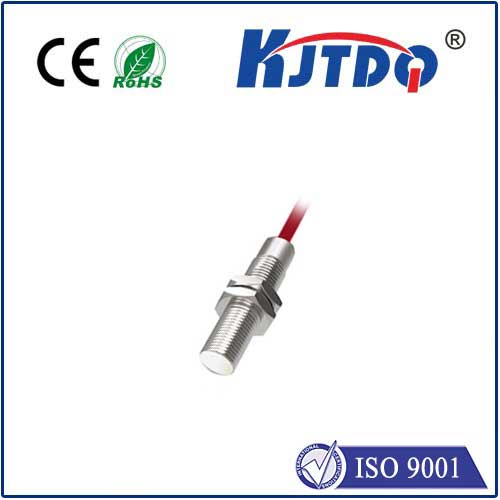
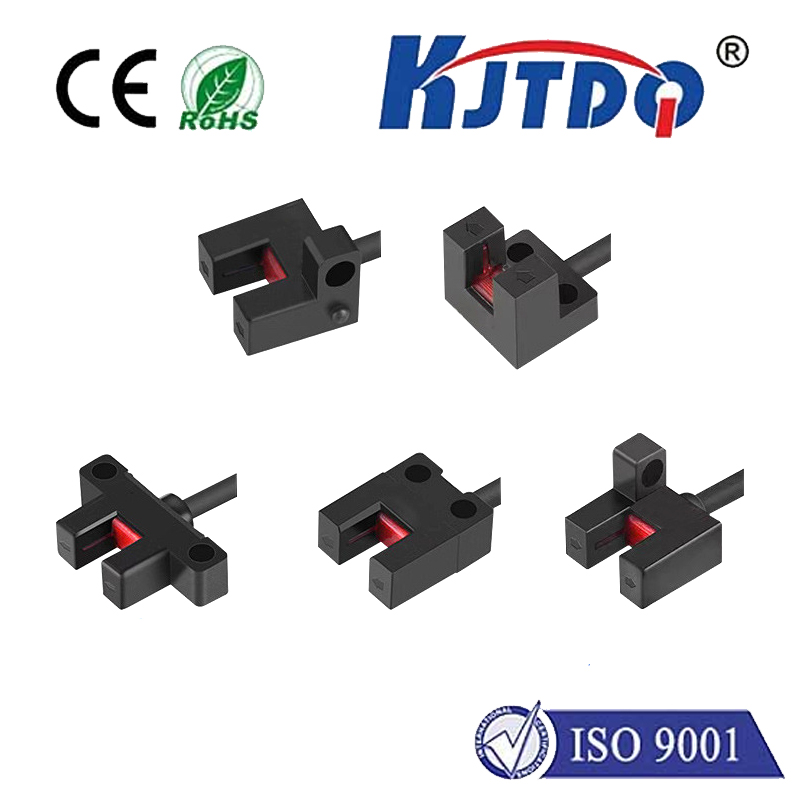
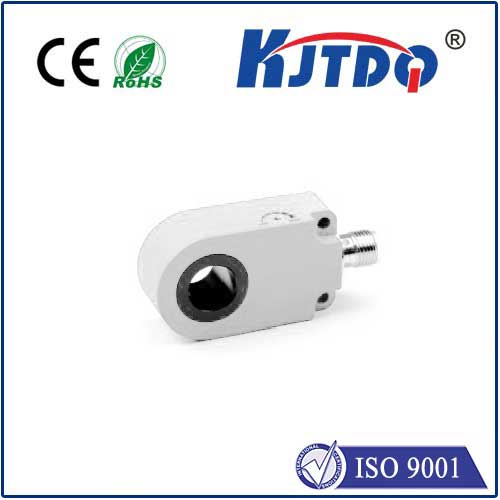
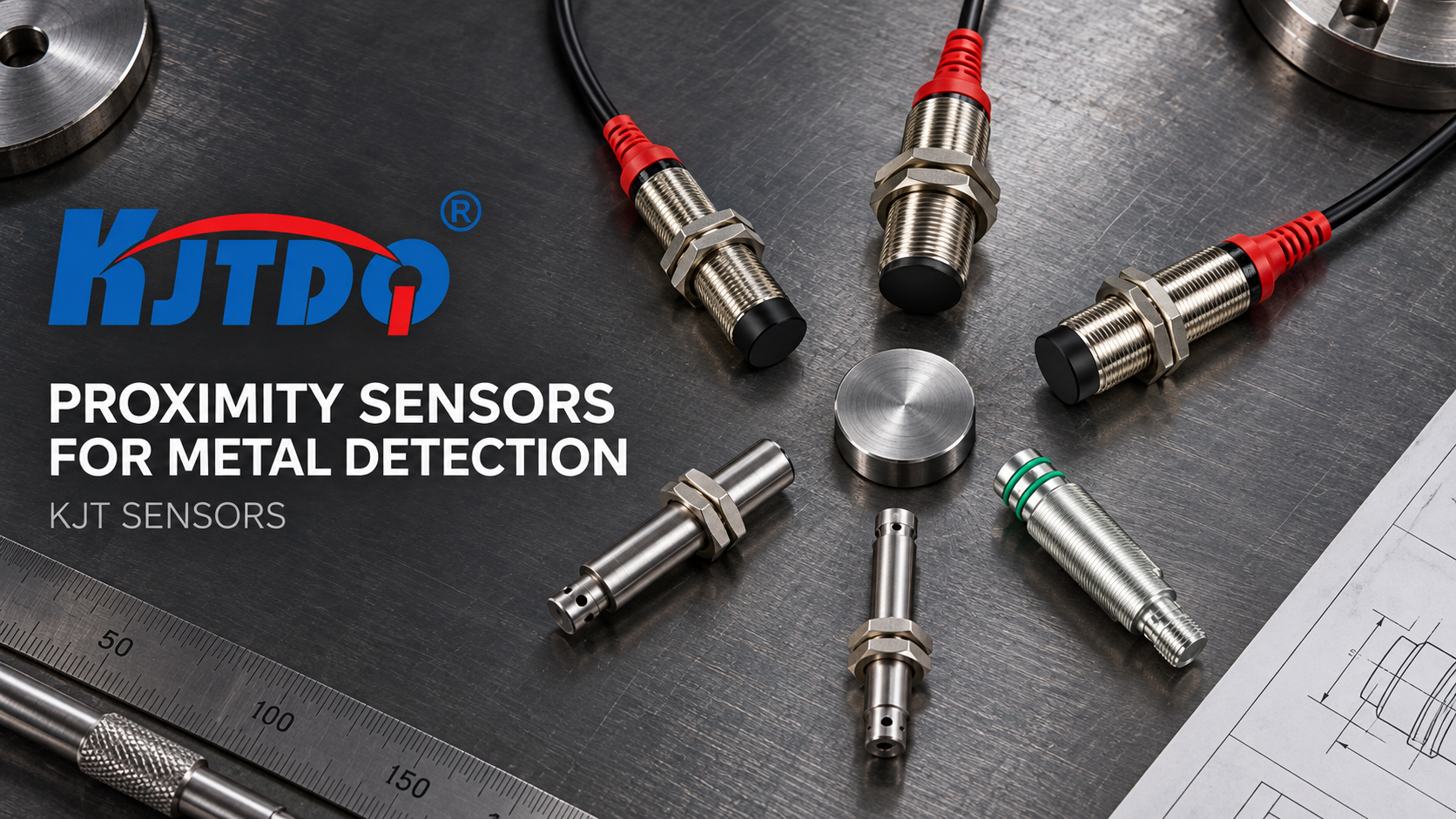
At their heart, proximity sensors operate on the principle of non-contact detection. They don’t require physical touch to identify the presence of an object, known as the “target.” Instead, they emit a field or beam (electromagnetic, capacitive, or optical) and detect changes in that field caused by the target entering its sensing range.
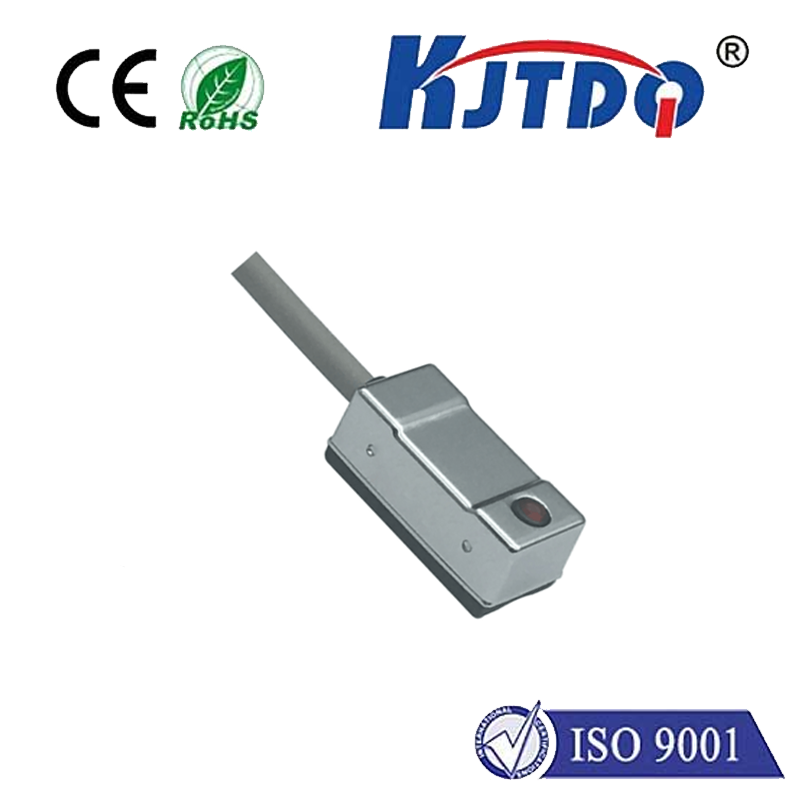
In stark contrast, the reed sensor is a fundamentally simpler device. It consists of two thin, ferromagnetic metal reeds enclosed within a small, hermetically sealed glass tube filled with inert gas or evacuated. These reeds act as electrical contacts.
The magic happens when a magnetic field is brought close to the sensor. This field magnetizes the reeds, causing their tips to attract each other and snap together, closing the electrical circuit. When the magnetic field is removed, the reeds spring back open due to their natural elasticity, breaking the circuit. Therefore, the reed sensor is a magnetically operated switch. Its state (open or closed) directly depends on the presence or absence of a suitable magnetic field nearby.
Key Differences Shaping Application Suitability
The fundamental difference in operation leads to several critical distinctions impacting where each sensor shines:

Where They Excel: Typical Applications
Understanding these characteristics naturally guides their application:
Proximity Sensor Applications:
Industrial Automation: Position sensing, end-of-travel detection on cylinders, object counting on conveyors, machine guarding.
Automotive: Gear position sensing, brake pedal position, seat occupancy detection, parking sensors.
Consumer Electronics: Smartphone screen dimming, touchless faucets, automatic soap dispensers.
Robotics: Obstacle detection, proximity avoidance.
Reed Sensor Applications:
Security Systems: Door/window contact sensors (magnet on the door/window, reed on the frame).
Appliances: Lid/door open detection in washing machines, microwaves, refrigerators.
Medical Devices: Position sensing in portable equipment where low power is critical.
Automotive (Legacy/Alarms): Hood/trunk switch, simple rotational speed sensing.
Low-Power Circuits: Any application needing a magnetically activated switch with minimal power draw in standby.
Choosing the Right Tool for the Job
Selecting between a proximity sensor and a reed sensor hinges on your specific requirements:
| Feature | Proximity Sensor | Reed Sensor |
|---|---|---|
| Detection Method | Emits & detects field/beam (EM, Cap, Opt) | Magnet attracts ferromagnetic reeds |
| Trigger | Physical object | Magnetic field (from magnet) |
| Target Requirement | Material-specific (metal, any material, light opaque) | Requires only a nearby magnet |
| ** |