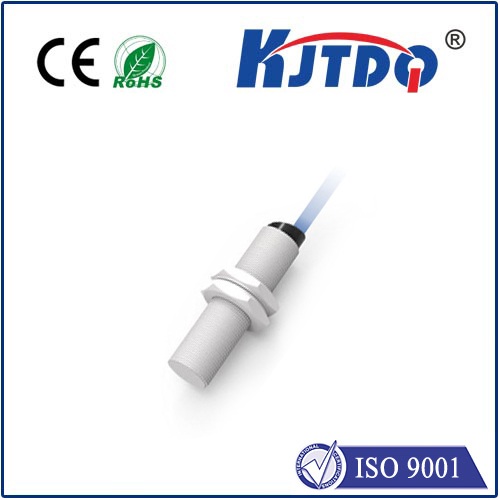
co2 laser water flow sensor
- time:2025-08-29 00:37:07
- Click:0
The Critical Guardian: Why Your CO2 Laser Demands a Water Flow Sensor
In the high-stakes world of industrial laser cutting and engraving, the CO2 laser reigns supreme for processing non-metals with incredible precision. Its powerful beam, generated by exciting carbon dioxide gas, translates complex designs into reality on wood, acrylic, textiles, and more. Yet, beneath this impressive capability lies a fundamental vulnerability: intense heat generation. Safeguarding this vital investment hinges on a single, often overlooked component – the CO2 laser water flow sensor. This unassuming device isn’t just another part; it’s the essential watchdog ensuring your laser’s heart doesn’t overheat and fail.
The Inescapable Need for Cooling: Combating the Heat Beast
Operating a CO2 laser tube is akin to containing a miniature sun. The electrical discharge exciting the CO2 gas mixture produces enormous amounts of thermal energy as a byproduct. Without effective heat dissipation, the laser tube’s temperature would skyrocket uncontrollably. Consequences are severe and immediate:
- Catastrophic Failure: Excessive heat warps the laser tube’s delicate internal structures, irreparably damaging the optics and electrodes. This isn’t just downtime; it’s a costly tube replacement.
- Dramatic Power Loss & Inconsistency: As temperature rises, the laser’s efficiency plummets. Output power drops significantly, leading to inconsistent cuts or engravings, poor edge quality, and failed jobs.
- Shortened Lifespan: Even if outright failure is avoided, chronic overheating drastically reduces the operational life expectancy of an expensive laser tube.
Water cooling stands as the universal solution. Chilled water circulates through a jacket surrounding the laser tube, acting as a heat exchanger to carry away destructive thermal energy. The cooling system’s integrity – ensuring sufficient flow rate and pressure – is paramount. This is precisely where the water flow sensor becomes non-negotiable.
The CO2 Laser Water Flow Sensor: How This Silent Guardian Works

Think of the flow sensor as the central nervous system monitor for your laser’s cooling loop. Installed in-line with the water supply hose entering the laser tube, its core function is simple yet critical: detect the presence and adequacy of coolant flow in real-time.
- Core Mechanism: Most sensors designed for this application use either:
- Paddle Wheel / Turbine: Water flow spins a tiny impeller. An internal sensor detects this rotation magnetically or optically. No rotation means no flow.
- Ultrasonic: Measures the time it takes for an ultrasonic signal to travel with vs. against the flow, calculating velocity and confirming presence. Less common but highly reliable with no moving parts.
- The Vital Signal: When adequate flow is detected, the sensor closes an electrical circuit, sending a “Flow OK” signal to the laser’s main controller (like an RDY signal). If flow stops or drops below a critical threshold, the sensor opens this circuit instantly.
- Triggering Protection: Receiving a “No Flow” signal, the laser controller takes immediate protective action. Crucially, this means interrupting the laser beam within milliseconds. Power to the tube is cut, preventing it from firing and generating more heat without cooling. An audible or visual alarm alerts the operator to the issue. This automatic shutdown is the sensor’s primary lifesaving function.
Beyond Basic Detection: Key Features for Reliable Operation
Choosing the right sensor involves more than just basic flow/no-flow capability. Consider these critical factors for robust performance in a demanding laser environment:
- Flow Rate Range: Must be compatible with the specific flow rate requirements of your laser tube model (often specified in Liters Per Minute - LPM or GPM). Sensors are typically rated for a minimum detectable flow.
- Material Compatibility: Sensors must withstand constant exposure to coolant water, often treated with additives like anti-algae or anti-freeze. Look for corrosion-resistant materials like brass, stainless steel, or specific engineered polymers (like PPS) suitable for coolant flow detection.
- Connection Type & Size: Must match the diameter and fitting type (e.g., NPT thread, barbed hose connections) of your laser’s cooling lines. Common sizes are 1⁄4”, 3⁄8”, or 10mm.
- Electrical Interface: Needs to match the input requirements of your laser power supply/controller, usually a simple switch (SPST or SPDT) handling low voltage/current (e.g., 12-24VDC).
- Pressure Rating: Must withstand the operating pressure generated by the laser’s water pump.
- Reliability & Durability: Consistent, failure-free operation is non-negotiable for system protection. Look for sensors designed for continuous duty in industrial settings.
Tangible Benefits: Why Investing in a Quality Flow Sensor Pays Off
Integrating a reliable CO2 laser water flow sensor delivers concrete, measurable advantages:
- Unmatched Tube Protection: This is the prime directive. By triggering an immediate laser shutdown on flow failure, the sensor acts as the last line of defense against the astronomical cost of replacing a burned-out laser tube. This single benefit often justifies the sensor’s cost many times over.
- Maximized Uptime & Productivity: Preventing catastrophic tube failure means avoiding the lengthy downtime (and expense) associated with sourcing and replacing the tube. Your laser stays operational, meeting production schedules.
- Extended Laser Tube Lifespan: Consistent, adequate cooling, monitored and protected, allows the tube to operate within its optimal temperature range, significantly prolonging its functional life.
- Consistent Output Quality: Stable cooling ensures stable laser power output, directly translating to reliable, high-quality cuts and engravings batch after batch.
- Preventative Maintenance Insights: A flow sensor alarm is an early warning system. It signals issues before tube damage occurs, prompting checks for pump failure, clogged filters (inline filter housings are highly recommended!), kinked hoses, or low coolant levels. This facilitates proactive maintenance.
- Operator Safety & Peace of Mind: Knowing the laser has an automatic safety cutoff for cooling failures protects both the equipment and personnel, reducing anxiety about potential malfunctions during operation.
Integrating with Your Laser System: A Vital Link
The water flow detector forms an essential part of the laser’s safety interlock circuit. Its status signal (“Flow OK” or “No Flow”) is wired directly into the laser controller. This controller will only allow the laser to fire when it receives the “Flow OK” signal, along with other crucial safety signals (like chiller operation status and door interlocks). Bypassing or ignoring this sensor fundamentally compromises the laser’s inherent safety design, putting your valuable equipment at huge, unnecessary risk.
Choosing the Right Sensor for Your Application
While the principle remains constant, specific needs vary. Match the sensor’s specifications (flow range, connection size, material) to your specific laser tube’s requirements and your existing cooling loop setup (pipe/hose diameter, pump pressure). Consult your laser manufacturer’s documentation or a reputable laser parts supplier. Investing in a quality sensor from a known industrial supplier ensures reliability and compatibility, far outweighing the minimal cost savings of an unknown, generic part.
Conclusion: An Investment You Cannot Afford to Skip
In the demanding environment of CO2 laser operation, the water flow sensor is far more than a simple component; it is the indispensable guardian of your laser tube’s health and your operation’s productivity. Its role in ensuring continuous coolant flow and triggering critical protective shutdowns makes it a fundamental element