check

check

check

check

check

check
Imagine tons of cargo thundering down a conveyor line, only to overshoot its intended destination, potentially causing costly damage, severe jams, or even catastrophic accidents. This nightmare scenario is precisely what conveyor limit switches are designed to prevent. These often-overlooked components are critical sentinels within material handling systems, acting as the fundamental safety net and precision control point for countless industrial operations worldwide. Their role is simple yet paramount: to detect the physical presence or position of an object (often the conveyor itself or its load) and trigger a vital action – typically stopping motion or initiating a sequence change.
Understanding the Core Function: When Contact Equals Control
At its heart, a conveyor limit switch is an electro-mechanical device. It consists of an actuator (like a lever, plunger, or roller) physically linked to internal electrical contacts. When an object makes contact with this actuator, it mechanically forces these contacts to either open or close an electrical circuit. This seemingly simple action sends a crucial signal to the conveyor’s control system (like a PLC – Programmable Logic Controller) or motor starter. The most common, and arguably most critical, commands triggered are:
Without these reliable signals, automated conveyor systems would lack essential safety protocols and operational intelligence, leading to inefficiency and danger.
The Diverse Armory: Choosing the Right Sentinel
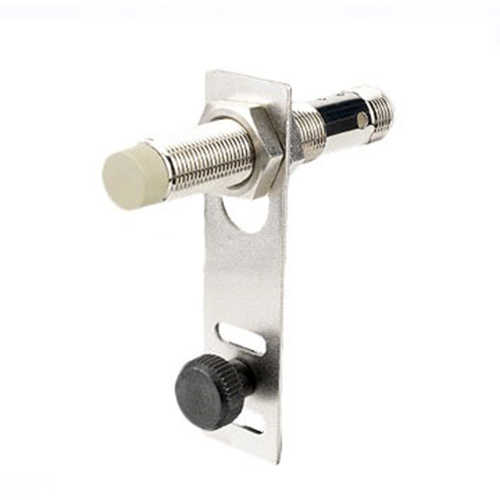
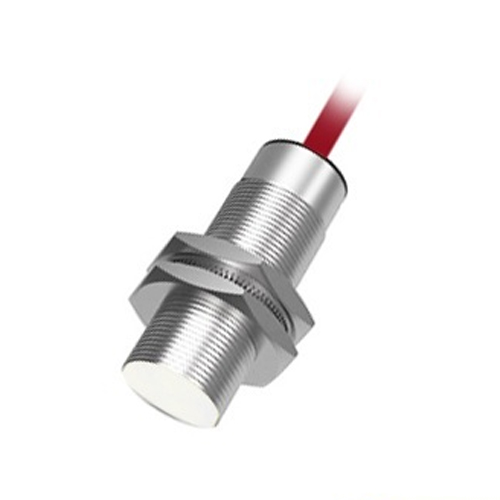
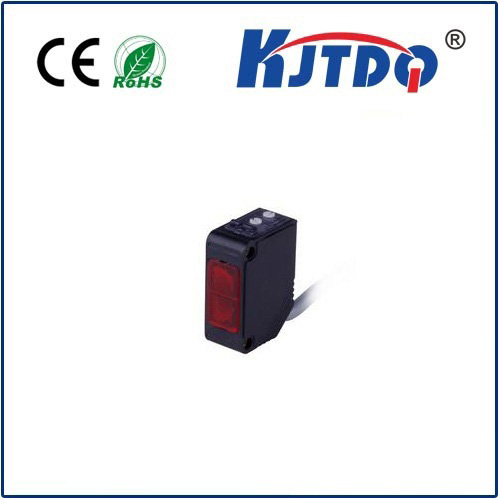
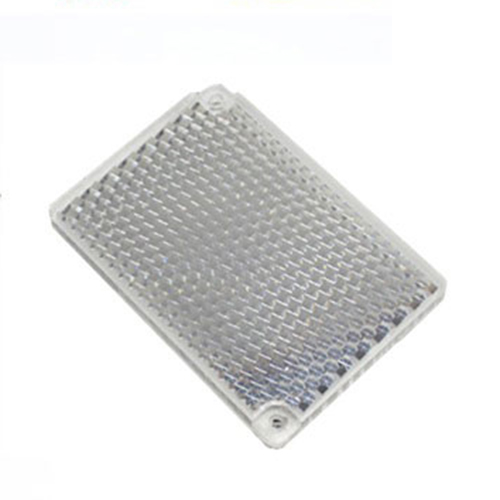
Not all conveyor applications are identical, and neither are limit switches. Selecting the right type is crucial for reliable performance. Key categories include:
The choice hinges on factors like the environment (dusty, wet, explosive?), required sensing distance, target material, necessary precision, durability needs, and cost constraints. Magnetic proximity types are increasingly favored for their superior reliability in challenging industrial settings.
Why Precision Placement and Calibration Matter
Installing a conveyor limit switch isn’t just bolting it on. Its positioning and adjustment are critical for accuracy and preventing nuisance trips or missed signals.
Maintenance: The Key to Unwavering Reliability
Like any mechanical or electro-mechanical component, conveyor limit switches require attention to ensure long-term, trouble-free operation. Key maintenance practices include:
Proactive maintenance prevents unexpected downtime and ensures these vital safety devices function correctly when needed most. Replacing a worn switch is far cheaper than repairing collision damage or dealing with production halts.
The Indispensable Role in Automation and Safety
Conveyor limit switches are far more than simple on/off buttons. They are fundamental safety interlocks and essential components for automated control logic. Their accurate signals enable:
In the complex symphony of modern material handling, the conveyor limit switch plays a vital, albeit often unseen, role. It’s the reliable sentinel ensuring the safety of personnel, the protection of valuable equipment, and the smooth, efficient flow of goods that power our industries. Choosing the right type, installing it correctly, and maintaining it diligently are investments that pay substantial dividends in operational excellence and risk mitigation.