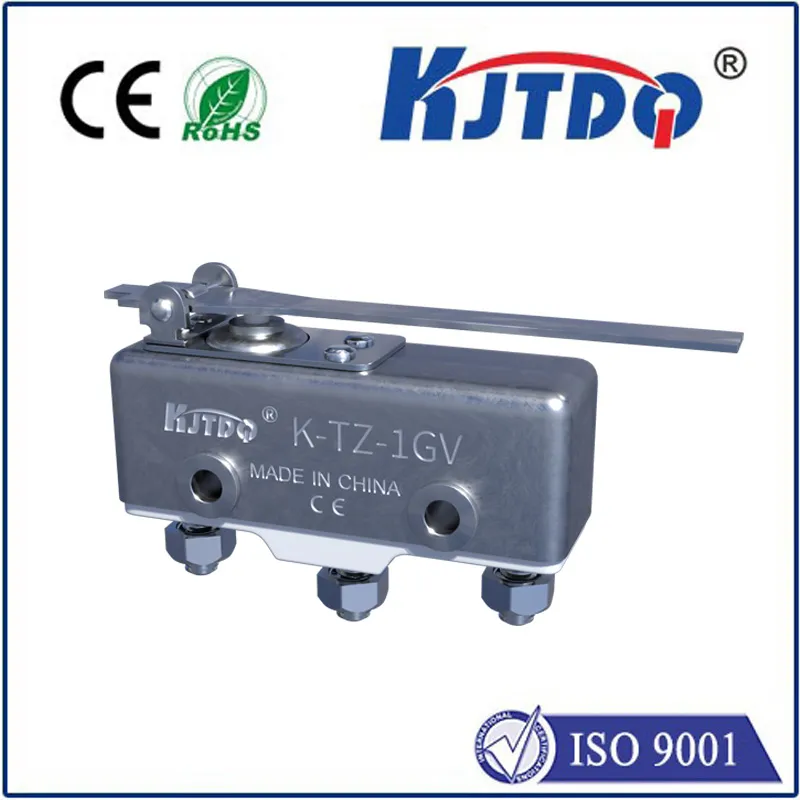
eot crane hoist limit switch
- time:2025-08-04 12:31:54
- Click:0
Guardians of the Sky: How EOT Crane Hoist Limit Switches Save Lives and Operations
Imagine tons of critical materials suspended high above a factory floor, gliding smoothly to their destination. Behind this seemingly effortless movement lies a complex dance of engineering and safety. Among the unsung heroes ensuring this dance never turns tragic are EOT crane hoist limit switches. These small but vital components are the last line of defense against catastrophic failure, embodying the critical relationship between precision lifting and absolute safety in material handling. Understanding their function, importance, and maintenance is paramount for any operation relying on overhead lifting equipment.
What Exactly Is an EOT Crane Hoist Limit Switch?
An Electric Overhead Traveling (EOT) crane is a workhorse in industries ranging from manufacturing and warehouses to shipping yards and construction. Its hoist, the mechanism that actually lifts and lowers the load, operates within defined vertical limits. The hoist limit switch is an electro-mechanical safety device strategically positioned on the crane’s hoist mechanism. Its sole purpose is to automatically interrupt the hoisting motion when the hook block (or load attachment point) reaches a pre-set upper or lower limit.
Think of it as a vigilant sentry. When the load approaches its maximum safe height (upper travel limit) or nears the point where slack rope becomes dangerous or the load could hit the drum (lower travel limit), the limit switch engages, cutting power to the hoist motor in that direction. This prevents over-hoisting (which can damage the crane structure, snap cables, or cause dropped loads) and prevents overwinding on the drum (which can crush cables and render them unsafe).
Why Hoist Limit Switches Are Non-Negotiable for Safety & Efficiency
The importance of a fully functional hoist limit switch cannot be overstated. Here’s why they are indispensable:
- Preventing Catastrophic Failure: Over-hoisting is a primary cause of cable or chain failure. A snapped lifting medium can cause devastating injuries, fatalities, and immense property damage. The limit switch is the critical safeguard preventing this scenario.
- Protecting Crane Integrity: Consistently allowing the hook block to slam into the upper stops or overwinding the cable onto the drum causes severe stress and wear on the hoist mechanism, boom, trolley, and structure. The switch minimizes this abuse, extending the crane’s operational lifespan and reducing costly repairs.
- Avoiding Downtime: An accident caused by a failed limit switch leads to significant operational downtime – for accident investigation, repairs, potential regulatory scrutiny, and cleanup. Regular maintenance of this crucial safety device is far less disruptive and costly.
- Ensuring Regulatory Compliance: Crane safety regulations globally (like OSHA in the US, LOLER in the UK, or various ISO standards) mandate the presence and proper functioning of operational limit switches on EOT cranes. Failure to comply results in fines, shutdowns, and liability issues. Hoist limit switches are not optional; they are a fundamental legal requirement.
- Operator Confidence: Knowing that the safety limit switch will intervene if they momentarily misjudge height or get distracted provides crucial peace of mind for crane operators, allowing them to focus on precision and productivity.
Types of Hoist Limit Switches: Choosing the Right Sentinel
Several types of limit switches are commonly employed on EOT crane hoists, each with its own mechanism:
- Mechanical Lever Arm Switches: The most traditional type. A physical arm is positioned so that the rising or descending hook block physically contacts it at the limit point, triggering the switch to open the circuit. Robust but susceptible to wear, impact damage, and requires precise positioning.
- Rotating Drum/Cam Operated Switches: Often integrated directly with the hoist drum. As the drum rotates, a cam attached to the drum shaft actuates the switch at predetermined points corresponding to the upper and lower limits. Highly reliable due to direct correlation with drum rotation, less prone to accidental bumps.
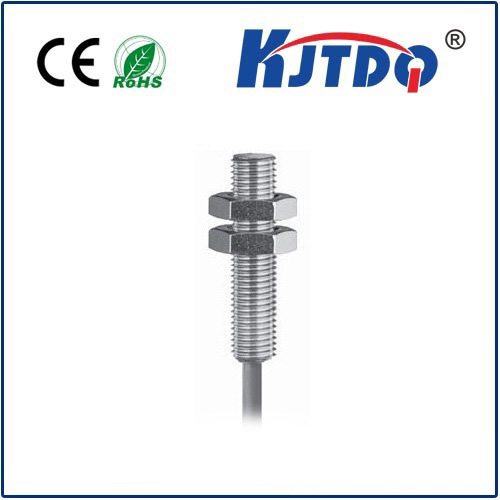
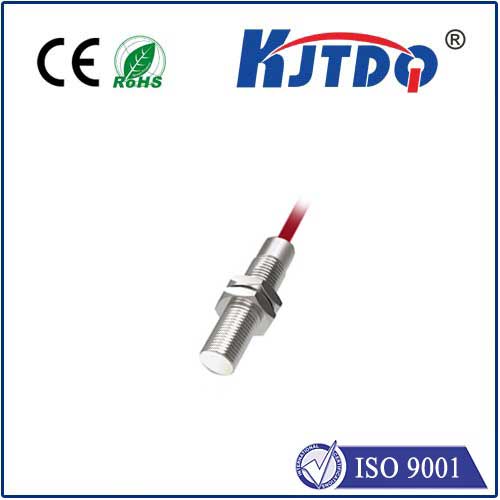
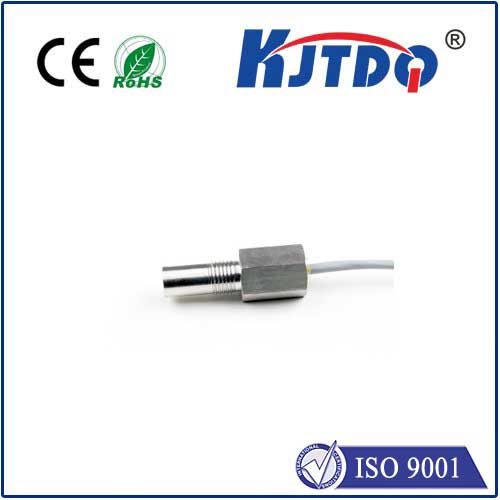
- Proximity (Prox) Switches: Non-contact sensors (inductive or magnetic) activated when a metal target attached to the hoist rope or hook block comes within close range. Offer high reliability, resistance to dirt/contaminants, and no physical wear from contact. Require stable power and correct positioning.
- Rotary Encoders: These provide continuous position feedback to the crane’s control system. Software can then define precise upper and lower limits. Offers ultimate precision and flexibility but is a more complex and expensive system.
The optimal choice depends on the specific crane, environment (dusty, wet, explosive?), required precision, and maintenance capabilities. Consulting crane manufacturers and safety experts is crucial for selection.
Maintenance: The Key to Unfailing Protection
Like any critical safety component, EOT crane hoist limit switches demand consistent care and attention. Neglect renders them useless, creating a dangerous illusion of safety. Key maintenance activities include:
- Regular Inspection (Visual & Functional): Weekly or daily visual checks for obvious damage, loose connections, or misalignment. Regular functional testing by carefully operating the crane to trigger the limit switch in a controlled manner (preferably without a load, if safe procedures allow) is essential. Does the hoist stop immediately in the desired direction? Never bypass a switch during testing!
- Cleaning and Lubrication: Keeping the switch mechanism free of dust, debris, grease, and moisture, especially for mechanical types. Lubricate moving parts only as per the manufacturer’s specifications.
- Checking Alignment and Positioning: Ensure the switch actuator (lever, cam, prox target) is correctly positioned relative to its trigger point. Misalignment is a common cause of failure.
- Testing the Full Range: Ensure the switch activates before the hook block reaches the mechanical buffer stops or the cable reaches the danger point on the drum. This buffer zone is critical.
- Calibration (for Prox/Encoders): Non-contact switches and encoders may require periodic calibration to ensure accuracy.
- Immediate Replacement: A switch that fails testing, is damaged, shows signs of electrical arcing, or behaves erratically must be replaced immediately by qualified personnel. Never operate the crane without a functional limit switch.
Conclusion: Respect the Limit
The humble EOT crane hoist limit switch is far more than just another component; it is a fundamental pillar of industrial safety and operational reliability. Its silent vigilance prevents disaster, protects valuable assets, keeps personnel safe, and ensures compliance. By understanding its critical role, selecting the appropriate type, and implementing a rigorous, unwavering commitment to inspection and maintenance, facilities empower their overhead lifting operations to reach new heights of both efficiency and safety. In the world of heavy lifting, respecting the limit is synonymous with excellence.