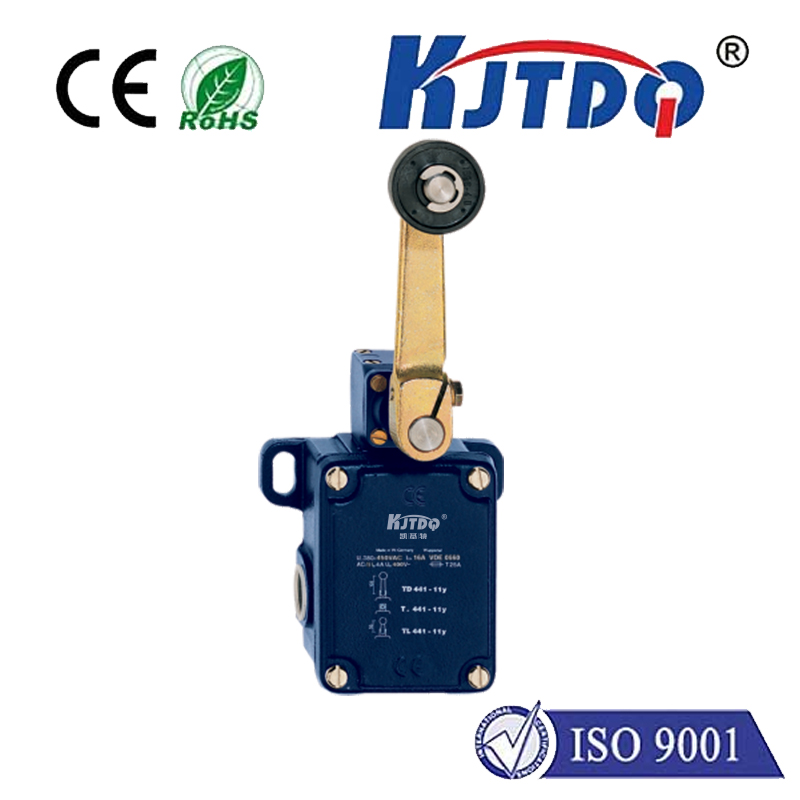
eot crane limit switch
- time:2025-08-04 12:27:40
- Click:0
EOT Crane Safety Sentinel: The Critical Role of Limit Switches
Imagine a massive overhead crane hoisting a critical, multi-ton load near the top of its travel path. Suddenly, the hoist stops—precisely where it’s supposed to. No jarring crash, no structural strain, no catastrophe. This isn’t luck; it’s the silent, vigilant work of the EOT crane limit switch, an unsung hero ensuring operational safety and preventing potentially devastating accidents. Understanding and maintaining these crucial devices is non-negotiable for any facility utilizing overhead lifting equipment.
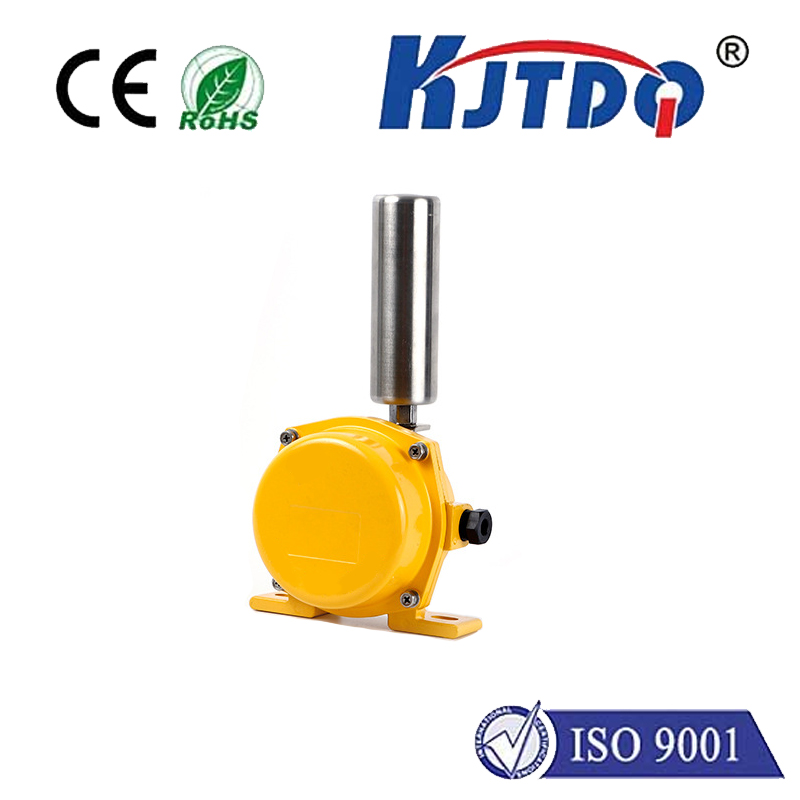
An EOT crane limit switch, often called a hoist limit switch, is an electro-mechanical safety device strategically integrated into the crane’s hoisting and traversing mechanisms. Its core function is deceptively simple yet critically important: to automatically halt crane motion when it reaches a predetermined physical boundary. This prevents the hook block or trolley from traveling beyond safe operational limits, protecting against collisions with the bridge structure, building elements, or itself, and preventing dangerous cable over-winding scenarios which can lead to equipment failure and dropped loads.
Why Limit Switches are Non-Negotiable for EOT Crane Safety
Their importance cannot be overstated. Without functioning limit switches, EOT cranes become significant hazards. The consequences of failure are severe:
- Catastrophic Collisions: The hook block or trolley can smash into the bridge girder end stops at full speed, causing massive structural damage, potential crane failure, and creating deadly falling object hazards.
- Cable Disaster: If the hoist drum continues winding after the hook reaches its upper limit, the wire rope can pile up, jump its grooves, or snap under extreme pressure. A falling load is a potentially fatal event.
- Infrastructure Damage: Traveling trolleys or bridges exceeding their runway limits can collide with building columns, walls, or other structures, causing expensive damage and operational downtime.
- Personnel Risk: Any uncontrolled crane motion or falling debris poses an immediate and severe threat to workers on the floor below. Limit switches are a primary line of defense in safeguarding lives.
Common Types of EOT Crane Limit Switches
Several types exist, each suited to specific applications and offering varying levels of precision and durability:
- Lever Arm Limit Switches: The most common type. A physical lever arm is positioned so the crane component (hook block, trolley bumper) contacts it at the travel limit. This action mechanically trips the switch, breaking the control circuit. They are robust and relatively simple but require precise positioning and can be prone to damage or wear from repeated impacts.
- Rotary Cam Limit Switches: Linked directly to the crane’s motion via gears or a chain (often from the hoist drum or travel wheels). As the crane moves, a cam rotates, activating the switch contacts at preset points. These offer more precise, programmable control points and reduce the risk of impact damage compared to lever arms.
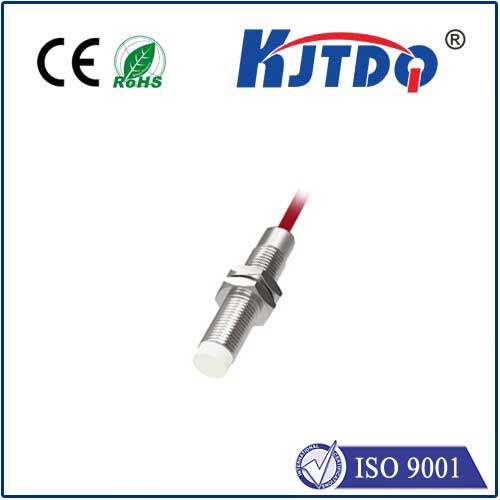
- Magnetic Proximity Switches: Use a non-contact principle. A magnet is mounted on the moving crane component, and a sensor (inductive or reed switch) is fixed at the limit point. As the magnet passes the sensor, the switch activates without physical contact. This makes them resistant to vibration, impact, and harsh environments like dust or moisture, offering high reliability and long service life. They are increasingly popular for critical applications.
Essential Practices: Maintenance & Reliability
A limit switch is only as good as its maintenance. Relying on a switch that hasn’t been tested or inspected is a gamble with safety. Key practices include:
- Regular Testing: Operators must test limit switch function daily as part of their pre-operation checks, lifting an empty hook block slowly to the upper limit and traversing the trolley/bridge to their end positions to verify the switch activates and stops motion reliably before reaching the hard stop.
- Scheduled Inspections: Maintenance personnel should conduct thorough inspections per manufacturer recommendations and regulatory requirements (like OSHA 1910.179). Look for:
- Physical damage to levers, cams, or housings.
- Loose mounting hardware or connections.
- Worn contacts or damaged wiring.
- Buildup of dirt, grease, or debris impairing movement.
- Proper alignment (lever switches must be hit squarely).
- Cleaning & Adjustment: Keep switches clean. Ensure levers move freely. Periodically verify the actuation point hasn’t drifted and adjust if necessary. Never bypass a limit switch, even temporarily.
- Environment Consideration: Choose switch types appropriate for the environment (e.g., high IP ratings for wet/dusty conditions, stainless steel for corrosive atmospheres). Protect switches from excessive shock or vibration.
The EOT crane limit switch functions as the essential automatic brake, the final electrical guardian preventing over-travel. Its reliable operation is fundamental to preventing catastrophic equipment damage, costly downtime, and, most importantly, protecting personnel from life-threatening accidents. Prioritizing understanding, correct specification, stringent testing, and meticulous maintenance of these vital components isn’t just regulatory compliance – it’s the bedrock of a safe and productive overhead lifting operation. Facility managers, safety officers, and crane operators must give limit switches the constant respect and attention they demand.