check

check

check
check
check
check
check
check
check
check
Nearly every day, billions of people worldwide step into elevators, trusting these machines to transport them safely and efficiently. Behind this seamless operation lies a complex network of safety systems designed to protect passengers, even in the most unlikely scenarios. Among these critical components, often operating silently in the background, is the gravity limit switch. This unassuming device plays a pivotal role as a final, passive safeguard against catastrophic overspeed descent, embodying the principle that sometimes the simplest solutions are the most reliable.
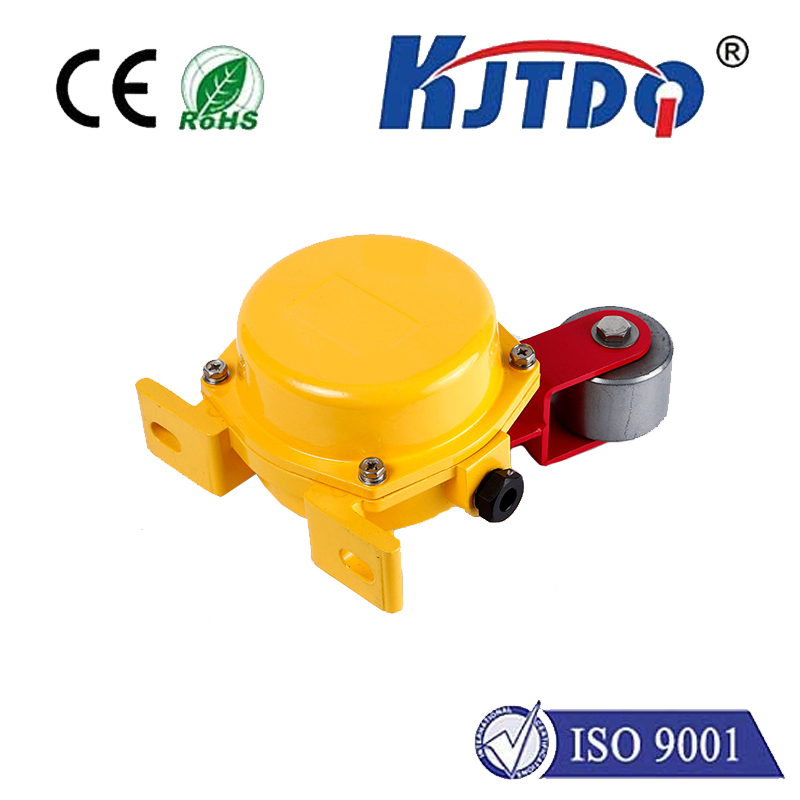
So, what exactly is a gravity limit switch? Unlike electrically triggered safety devices, it relies purely on mechanical action driven by physical forces – specifically gravity and centrifugal force. Installed within the elevator hoistway, it’s directly linked to the elevator’s governor system. The governor is essentially the overspeed detection unit; as the elevator car moves, it rotates a governor rope, which in turn spins a flyweight mechanism inside the governor.
Here’s where the gravity limit switch comes into play:
Why is this passive, gravity-driven mechanism so vital for elevator safety?
Gravity limit switches are not a one-size-fits-all solution. They are designed and calibrated specifically for the speed and load capacity of the elevator they protect. Common variations include:
The gravity limit switch, while robust, is not infallible. Its critical role in overspeed protection mandates strict adherence to maintenance schedules:
The Silent Guardian
While passengers rarely see or hear it in action, the gravity limit switch stands as a testament to elegant, reliable engineering. By harnessing the fundamental force of gravity, it provides a critical, non-negotiable layer of passive elevator safety. It embodies the principle crucial to all safety systems: redundancy. When sophisticated electronic controls might falter, this purely mechanical device remains ready, waiting silently in the shaft, relying on the constant pull of gravity to fulfill its sole mission – stopping the car before tragedy strikes. Its presence is a cornerstone of the multi-faceted approach that makes modern elevators one of the safest modes of transportation. Understanding its role highlights the incredible depth of engineering dedicated to protecting lives in vertical transit.