check

check

check
check
check
check
check
check

check

check
In the intricate dance of modern automation, manufacturing, and countless smart applications, object detection is the fundamental step. Two ubiquitous technologies enabling this are the proximity sensor and the photoelectric sensor. While both serve the critical purpose of detecting the presence or absence of an object without physical contact, their underlying principles, strengths, and ideal applications differ significantly. Selecting the right one isn’t just a technicality; it’s about optimizing reliability, efficiency, and cost-effectiveness in your specific environment. This guide cuts through the confusion, helping you navigate the proximity sensor vs photoelectric sensor decision.
Understanding the Core Technologies
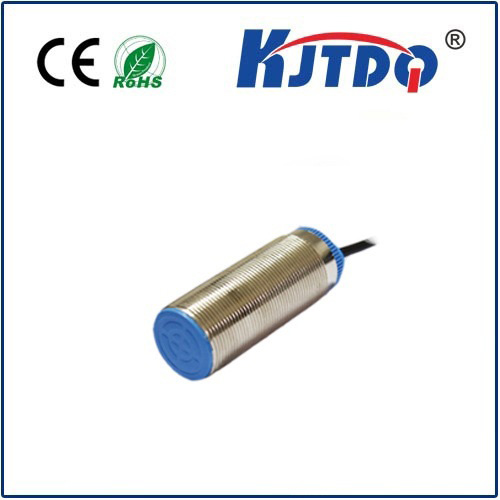
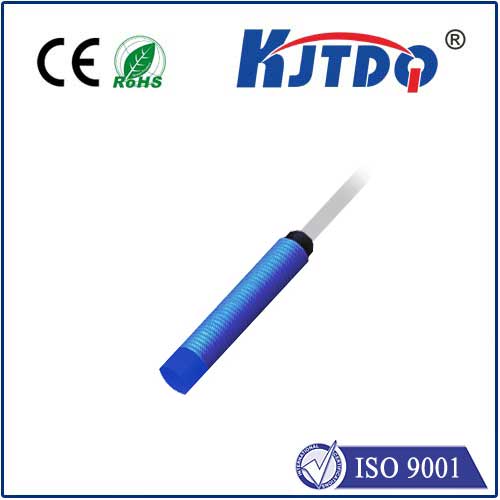
Capacitive proximity sensors, on the other hand, detect both metallic and non-metallic objects (like plastics, wood, liquids, powders). They work on the principle of capacitance change. The sensor forms one plate of a capacitor, the detected object (or background) forms the other, and the air gap is the dielectric. When an object enters the sensing zone, it alters the capacitance, which the sensor detects. This makes them ideal for level detection in tanks (liquids, grains) or detecting materials through containers.
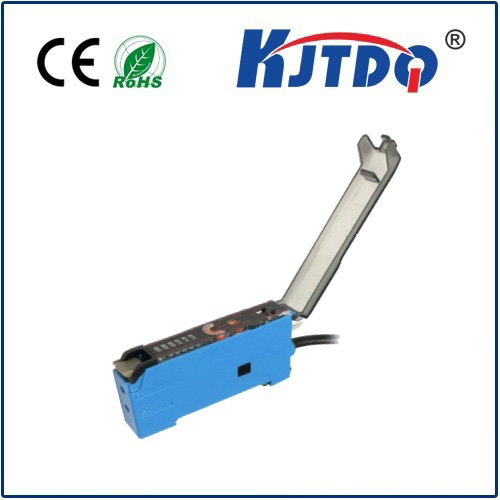
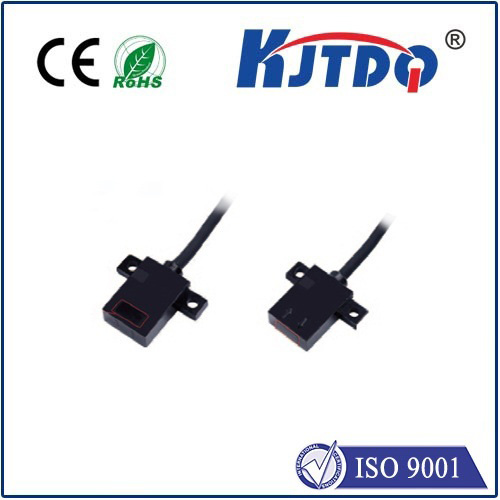
Photoelectric sensors excel at longer-range detection (centimeters to tens of meters) and detecting objects regardless of material (metal, plastic, wood, glass etc.), though transparent objects can be challenging. They are highly versatile but can be susceptible to interference from ambient light, dust, fog, or steam obscuring the beam.
Key Differences: A Head-to-Head Comparison
Understanding the distinct characteristics is crucial for making an informed choice:
Choosing the Right Sensor: Application is Key
The ‘proximity sensor vs photoelectric sensor’ debate is resolved by understanding your specific needs:
Choose a Proximity Sensor (Inductive) When:
You need to detect metal objects only.
The environment is harsh (dusty, oily, wet).
The sensing range is short (mm/cm).
Target color or reflectivity varies.
Robustness and reliability are paramount.
Example Applications: Machine tool part presence, end-of-stroke detection on pneumatic cylinders, metal object counting on conveyors, gear tooth sensing.
Choose a Proximity Sensor (Capacitive) When:
You need to detect non-metallic objects, liquids, or granular materials.
Sensing range can be short.
You might need to detect materials through thin non-metallic barriers.
Example Applications: Liquid level control in plastic tanks, detecting full/empty in bins with plastic liners, paper/cardboard stack height detection.
Choose a Photoelectric Sensor When:
You need longer detection ranges.
You need to detect non-metallic objects (especially where capacitive range is insufficient).
The target material varies significantly (as long as not transparent).
The environment is relatively clean (or appropriate sensor type/housing is chosen for minor contamination).
Precise positioning or small object detection is required (especially with laser types).
Example Applications: Object detection on fast-moving conveyors (long