check
check

check

check
check
check
check
check

check

check
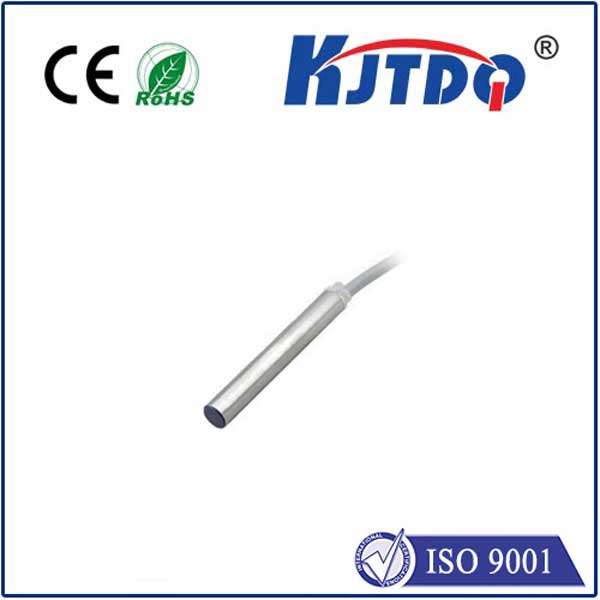
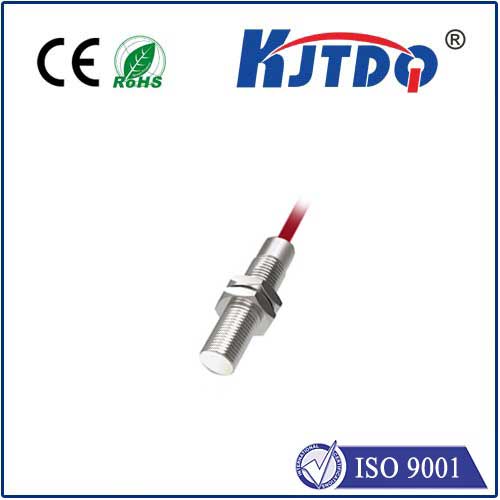
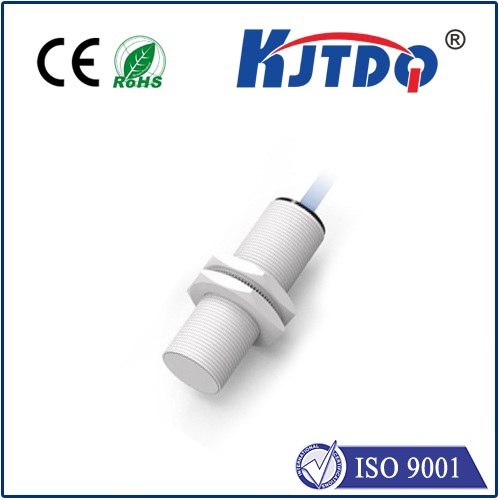
In the field of industrial automation, inductive proximity sensors are widely used for non-contact detection and play an important role in improving production efficiency and equipment safety. This article will delve into the working principles, characteristics, and applications of the LJ12A3-4-Z/BX inductive proximity sensor. The LJ12A3-4-Z/BX is a high sensitivity inductive proximity sensor with the following notable features:
int sensorPin = 2; // Set the connection digital input port
int val = 0;
void setup() {
pinMode(sensorPin, INPUT); // Set the digital input mode
Serial.begin(9600); // Start serial communication
}
void loop() {
val = digitalRead(sensorPin); // Read the sensor output value
if (val == HIGH) {
Serial.println("Object detected"); // Print "Object detected" when an object is detected
} else {
Serial.println("No object detected"); // Print "No object detected" when no object is detected
}
delay(100); // Delay for a while before reading again
}
This code first sets the connection port of the sensor as an input mode, then continuously reads the sensor output in the loop function. If the sensor detects a metal object, it prints “Object detected”; otherwise, it prints “No object detected”.
In summary, the LJ12A3-4-Z/BX inductive proximity sensor has unique advantages in many fields and plays an increasingly important role with the continuous development of industrial automation and other related technologies. Whether in the precision control of industrial production or the safety protection of daily life, it provides strong technical support and guarantee.