check

check

check

check
check
check
check
check

check

check
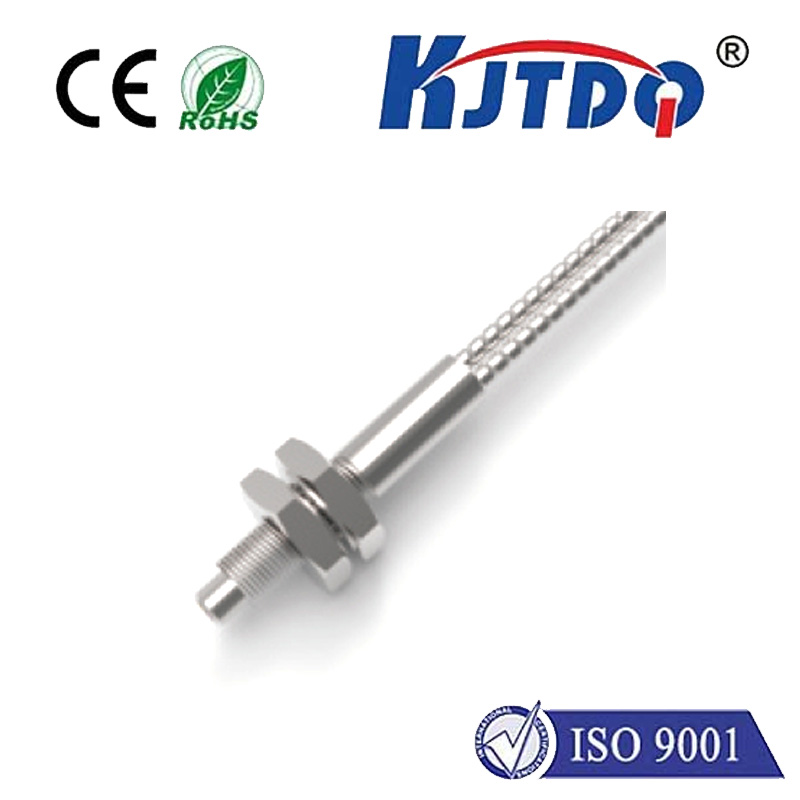
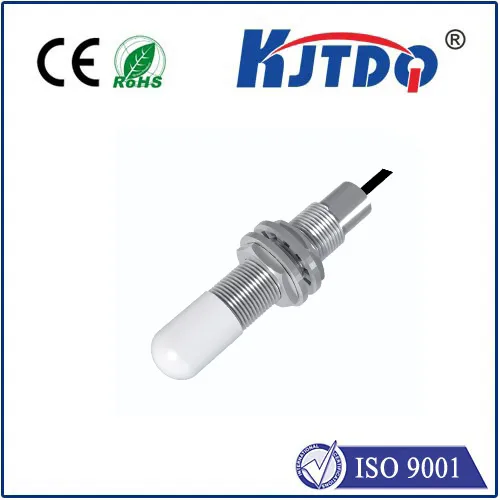
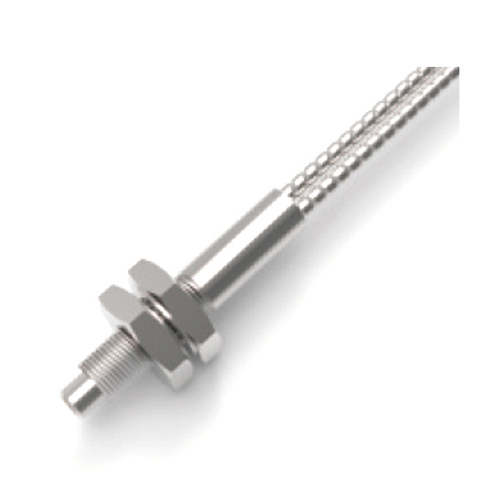
Title: The Versatile World of M18 Inductive Sensors: A Deep Dive into Modern Sensing Technology In today’s technologically advanced era, the demand for high-precision and reliable sensing devices has never been greater. Among the myriad of sensors available, the inductive sensor M18 stands out due to its unique features and wide range of applications. In this article, we will explore the fascinating world of M18 inductive sensors, delving into their design, functionality, and the numerous industries that benefit from their use. Understanding Inductive Sensors and Their Importance Before we focus on the specifics of the M18 inductive sensor, it’s essential to grasp the basic principles of how inductive sensors work. Unlike capacitive or resistive sensors, which rely on changes in material properties, inductive sensors operate based on electromagnetic fields. They consist of an oscillator producing a high-frequency alternating electromagnetic field. When a metallic object comes within the proximity of the sensor, it disrupts this field, causing a change in the oscillator’s output. This change is then detected and converted into an electrical signal that can be used for various control or monitoring purposes. Introducing the M18 Inductive Sensor: Design and Features The M18 inductive sensor is a robust and versatile device designed to meet the rigorous demands of industrial environments. Its ‘M18’ nomenclature refers to its thread size, making installation and integration straightforward in many systems. Here are some of the standout features of the M18 inductive sensor: